
Loading, please wait...
LOT 0605
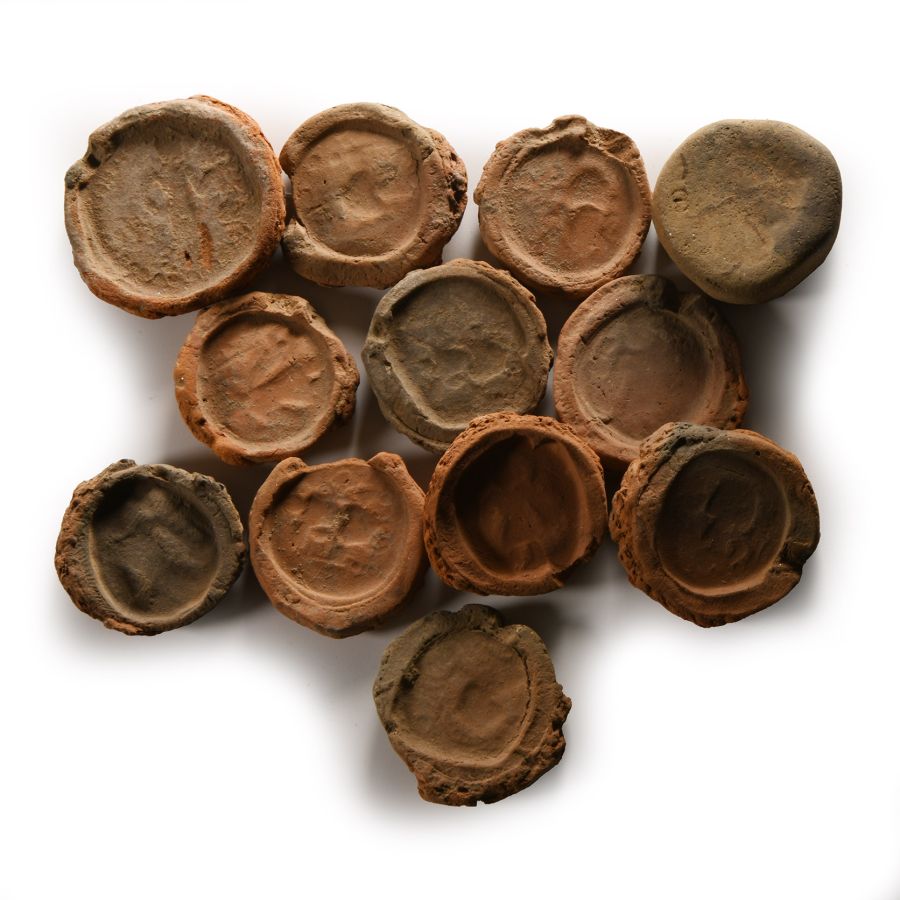
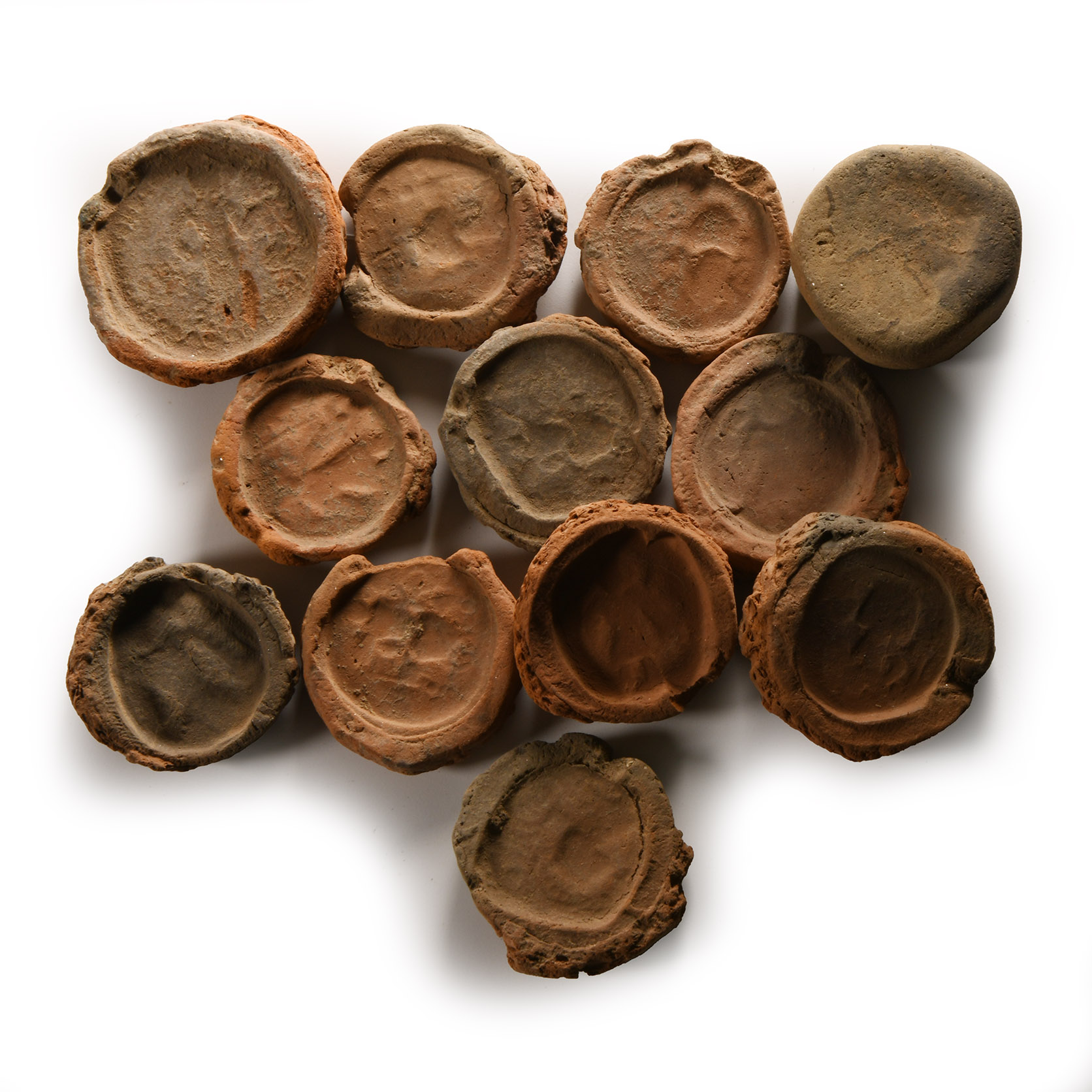
Indo-Greek Terracotta Forger's Mould Group
CIRCA 2ND-1ST CENTURY B.C.
1 - 1 1/4 in. (57 grams total, 25-30 mm).
Group of discoid clay moulds for casting contemporary counterfeit coins. [12, No Reserve]
ProvenancePrivate collection formed in the 1990s.
Acquired from a central London gallery.
Property of an Essex, UK, gentleman.
TimeLine Auctions follows a vetting process to ensure the authenticity and legality of all items, reinforcing our commitment to integrity and responsible trading. Each antiquity, antique, and coin lot undergoes thorough examination by a vetting committee of at least ten external specialists, professional trade association members, scientists, and archaeologists: Our Vetting Process
AUCTIONS:
TimeLine is a leading auction house specialising in antiquities, ancient art, collectables, natural history, coins, medals, and books. Our auctions offer museums, collectors, historians, and enthusiasts the opportunity to acquire unique and historically significant pieces.
-
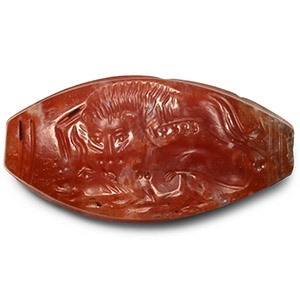
Minoan Stone Bead Seal
2nd millennium B.C.Sold for (Inc. bp): £6,240
Scaphoid in plan, plano-convex with stepped profile; intaglio scene with a lion attacking a prone ibex. 5 grams, 28 mm
From a London, UK, collection, 1980s. This lot has been checked against the Interpol Database of stolen works of art and is accompanied by search certificate number no.12216-222295. -
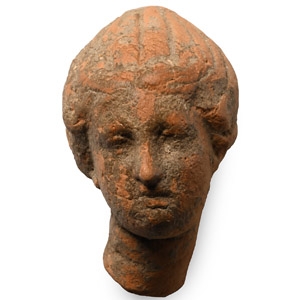
Greek Terracotta Head of a Female
Tarentine, 3rd-1st century B.C.Estimate: £180 - 240 (‡+bp*)
Opening Bid: £100
Female head moulded with a segmented conical cap with earlobes visible beneath; the head slightly turned and tilted downwards on a long slender neck. 43 grams, 56 mm
Acquired in the mid 1980s-1990s. Private collection, Switzerland, thence by descent. Private collection, since the late-1990s. -
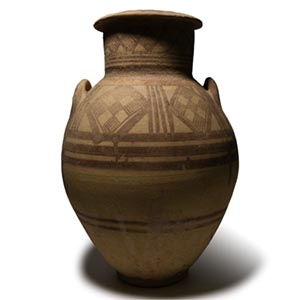
Large Cypriot Terracotta Amphora
Iron Age, Cypro-Geometric, circa 950-850 B.C.Sold for (Inc. bp): £975
With narrow base, oblate profile, two lateral loop handles to the shoulder, broad neck and flared rim to the mouth; painted bands of circumferential geometric ornament, linear with hatched lozenge motifs, radiating bars to the mouth. 3.05 kg, 40.5 cm
From a collection acquired on the UK art market from various auction houses and collections mostly before 2000. From an important Cambridgeshire estate; thence by descent.
