
Loading, please wait...
LOT 0531
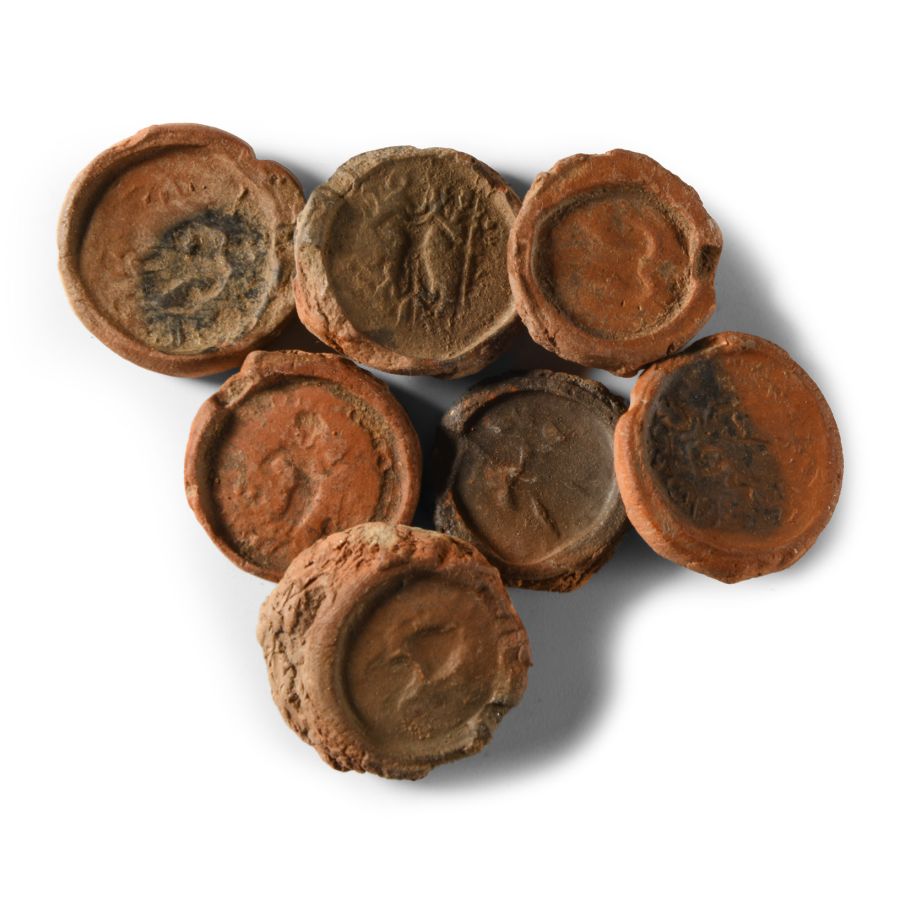
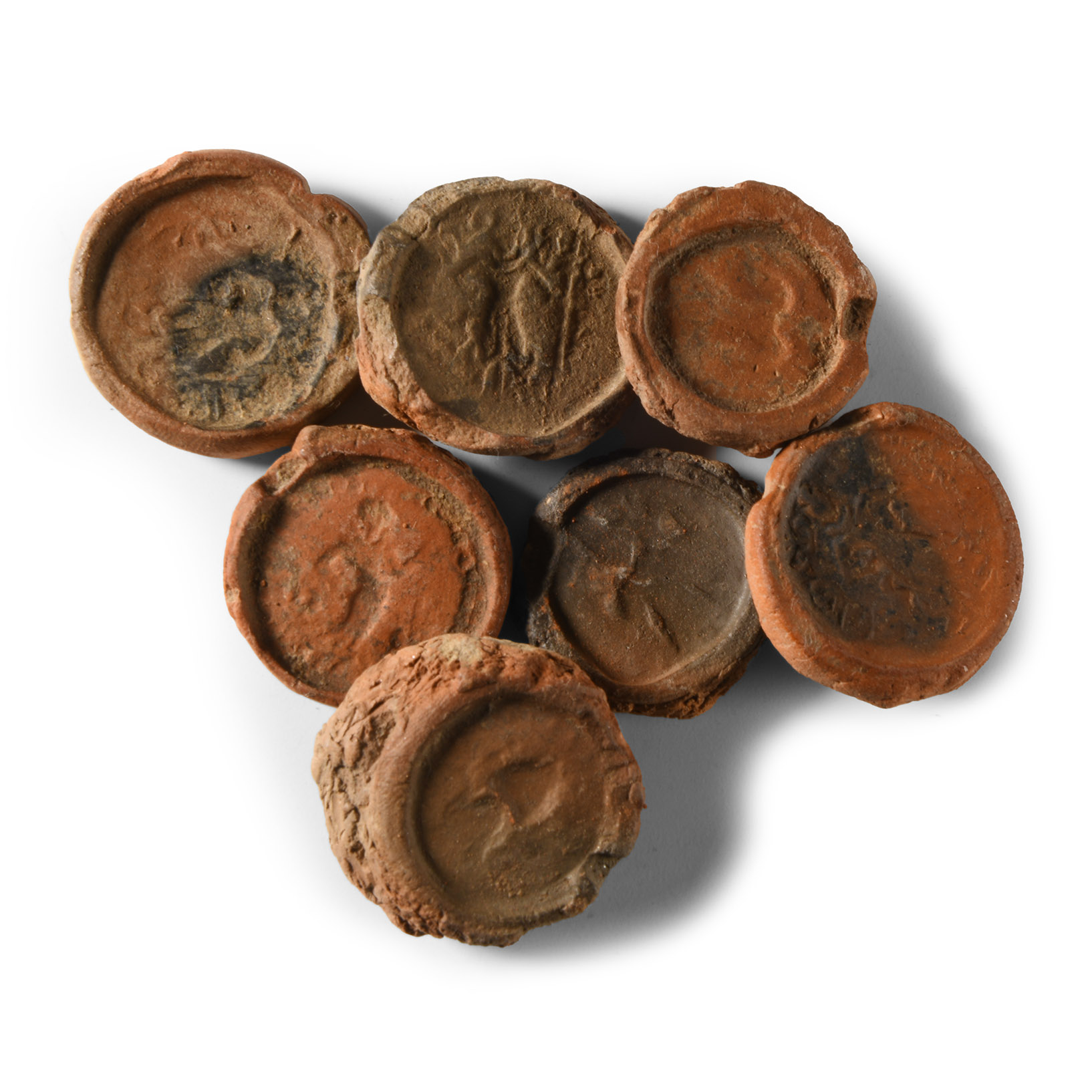
Indo-Greek Terracotta Forger's Mould Group
CIRCA 2ND-1ST CENTURY B.C.
1 - 1 1/4 in. (43 grams total, 25-32 mm).
Group of discoid clay moulds for casting contemporary counterfeit coins. [7, No Reserve]
ProvenancePrivate collection formed in the 1990s.
Acquired from a central London gallery.
Property of an Essex gentleman.
TimeLine Auctions follows a vetting process to ensure the authenticity and legality of all items, reinforcing our commitment to integrity and responsible trading. Each antiquity, antique, and coin lot undergoes thorough examination by a vetting committee of at least ten external specialists, professional trade association members, scientists, and archaeologists: Our Vetting Process
AUCTIONS:
TimeLine is a leading auction house specialising in antiquities, ancient art, collectables, natural history, coins, medals, and books. Our auctions offer museums, collectors, historians, and enthusiasts the opportunity to acquire unique and historically significant pieces.
-
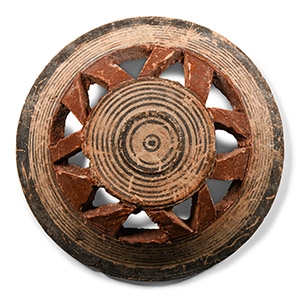
Cypriot Bichrome Ware Openwork Dish
Iron Age, circa 1200-600 B.C.Sold for (Inc. bp): £780
Broad dish with band of openwork triangles to the lower sidewall, flat base; painted with black concentric rings, black rim, red band to the openwork. 190 grams, 15 cm
Peter Cran collection, Scotland, who worked as an engineer for the Cypriot public works department 1931-1946; thence by descent. Acquired from Bonhams, London, 23 May 2012, no.6 (part). From an important Cambridgeshire estate; thence by descent. Accompanied by copies of the relevant Christie's catalogue pages. Accompanied by copies of the relevant Bonhams catalogue pages and original lot tag. -
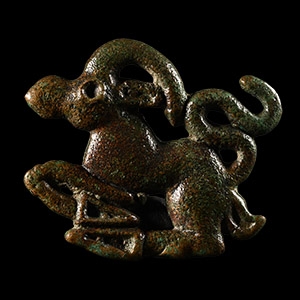
Scythian Bronze Antelope Mount
Circa 4th-3rd century B.C.Sold for (Inc. bp): £286
Openwork with mounting lug to the reverse; animal in active pose with S-curved tail. 50 grams, 60 mm
Acquired 1980-2015. Ex Abelita family collection. -
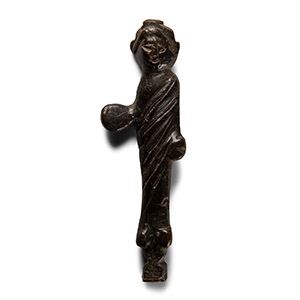
Etruscan Bronze Offering Statuette
4th century B.C.Sold for (Inc. bp): £312
Modelled in the round, standing figure in a tight-fitting wrapped mantle, patera in the right hand, dressed hair; possibly in an act of religious devotion. 27 grams, 73 mm
From a collection acquired on the UK art market from various auction houses and collections mostly before 2000. From an important Cambridgeshire estate; thence by descent.
