
Loading, please wait...
_900x900.jpg "Important Western Asiatic Royal Cuneiform Nail of King Lipit-Eshtar of Isin")
_200x200.jpg "Important Western Asiatic Royal Cuneiform Nail of King Lipit-Eshtar of Isin")
_900x900.jpg "Important Western Asiatic Royal Cuneiform Nail of King Lipit-Eshtar of Isin")
_200x200.jpg "Important Western Asiatic Royal Cuneiform Nail of King Lipit-Eshtar of Isin")
.jpg "Important Western Asiatic Royal Cuneiform Nail of King Lipit-Eshtar of Isin")
.jpg "Important Western Asiatic Royal Cuneiform Nail of King Lipit-Eshtar of Isin")
LOT 0209
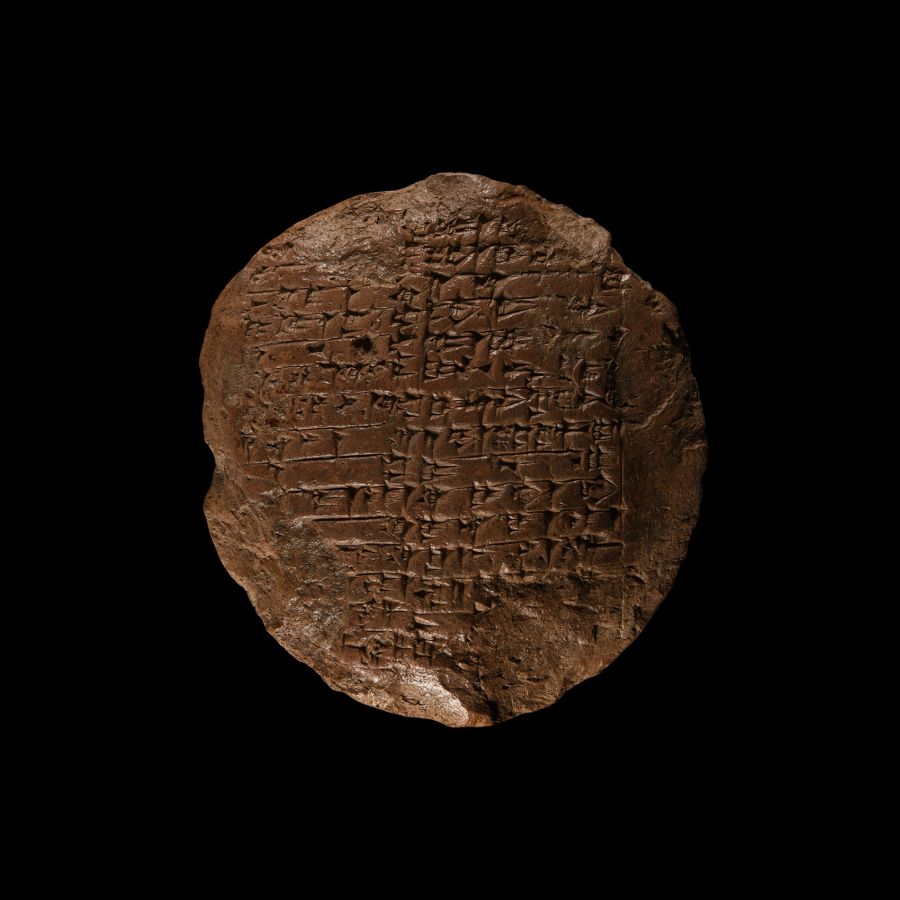
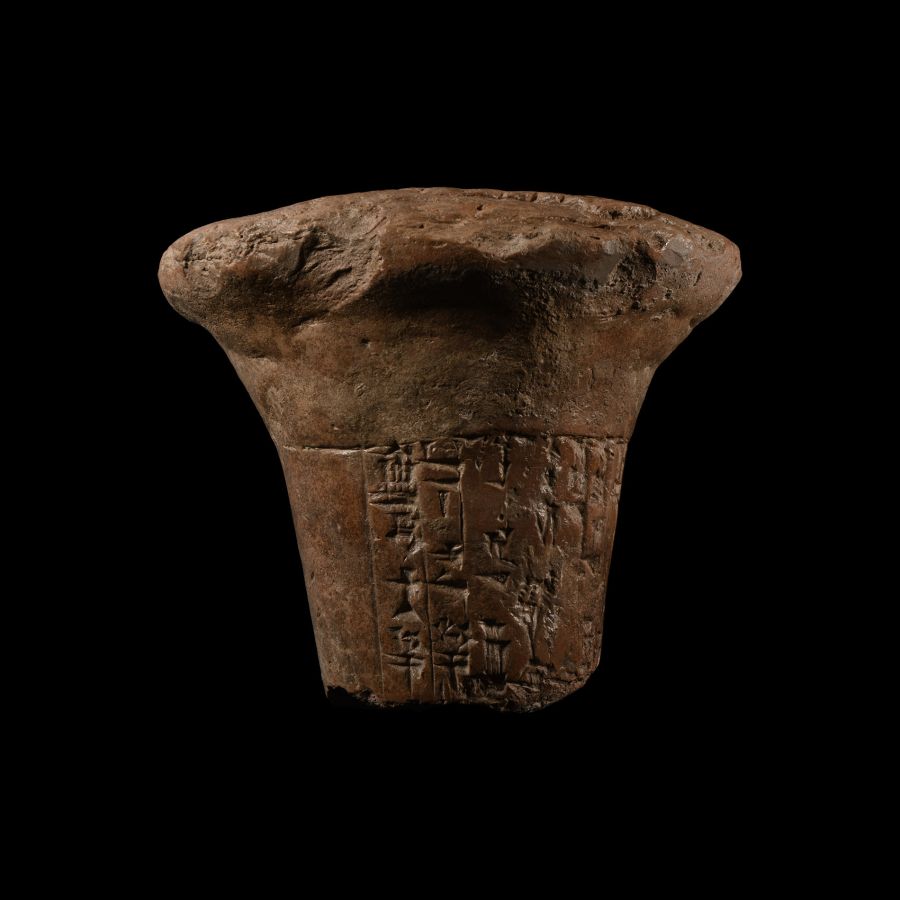
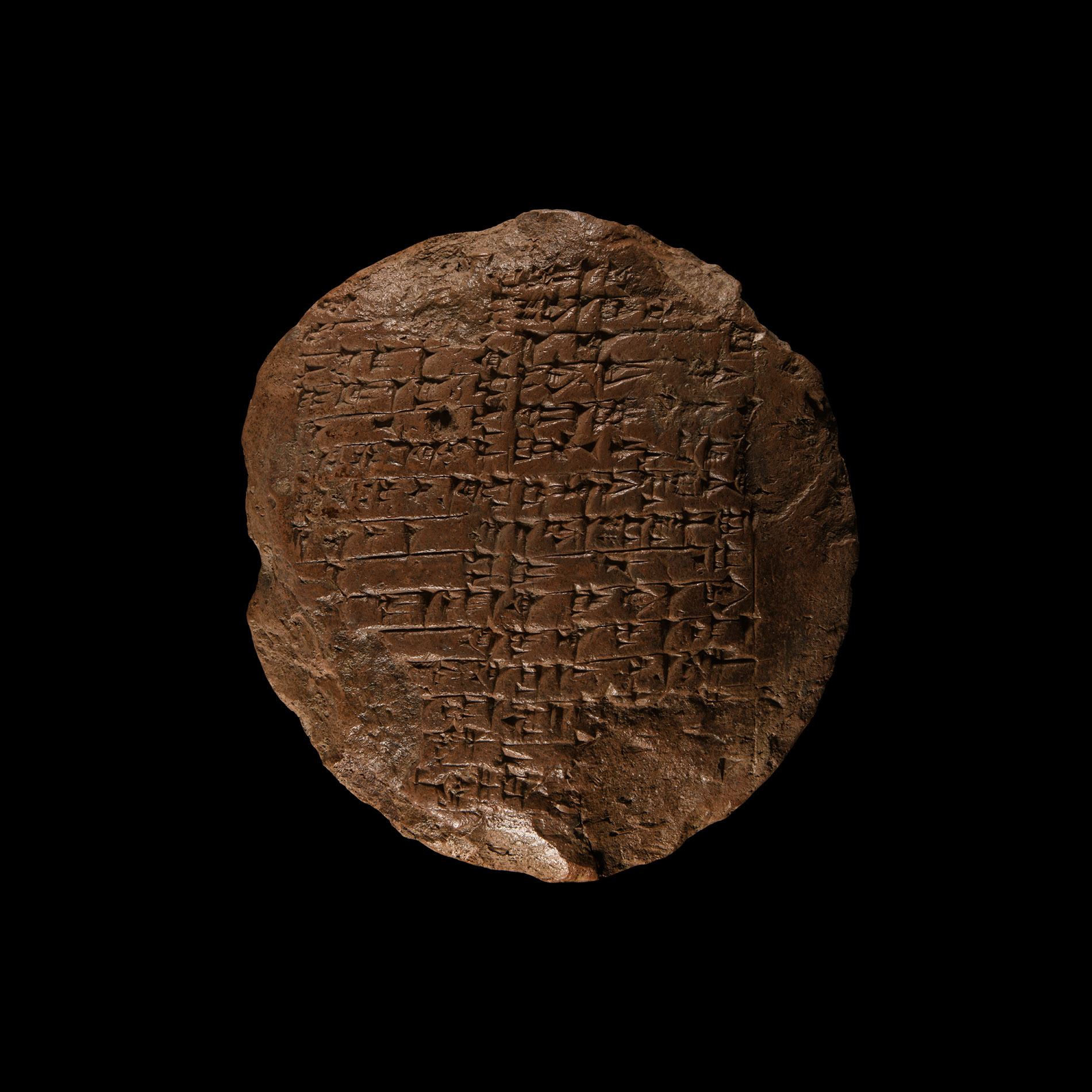
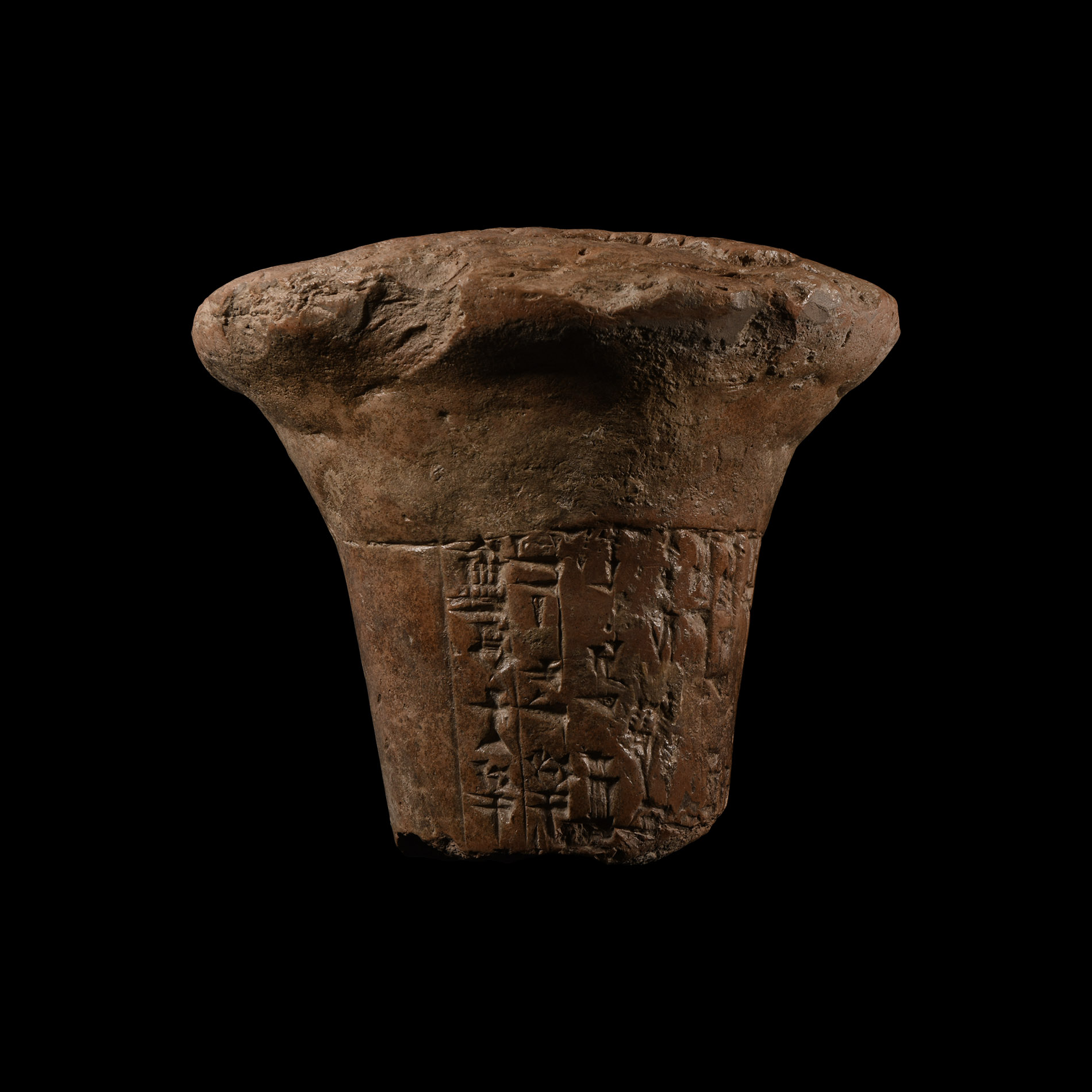
Important Western Asiatic Royal Cuneiform Nail of King Lipit-Eshtar of Isin
CIRCA 1934-1924 B.C.
4 in. (793 grams, 10 cm).
The surviving fragment comprising a tapering cylindrical body and splayed head, bearing Akkadian text to both the head and stem.
ProvenanceFrom an important collection pre 1988.
Private collection, London, UK, 1990s-2000s.
J.L. collection, Surrey, UK, 2000s.
This cone is referred to as Lipit-Eshtar RIME4.1.5.3.
FootnotesThis clay cone was inscribed with a dedication of Lipit-Eshtar, who ruled the city of Isin in southern Mesopotamia circa 1934-1924 B.C. This cone was probably created for the construction of a temple (the E-ninisa, 'House of Justice') at Namgarum.
CONDITIONTimeLine Auctions follows a vetting process to ensure the authenticity and legality of all items, reinforcing our commitment to integrity and responsible trading. Each antiquity, antique, and coin lot undergoes thorough examination by a vetting committee of at least ten external specialists, professional trade association members, scientists, and archaeologists: Our Vetting Process
AUCTIONS:
TimeLine is a leading auction house specialising in antiquities, ancient art, collectables, natural history, coins, medals, and books. Our auctions offer museums, collectors, historians, and enthusiasts the opportunity to acquire unique and historically significant pieces.
LOT 0209
Important Western Asiatic Royal Cuneiform Nail of King Lipit-Eshtar of Isin
Estimate £1,500 - 2,000€1,740 - 2,320 (for guidance only)$2,030 - 2,700 (for guidance only)
-
.jpg)
Western Asiatic Geometric Terracotta Jar
2nd-1st millennium B.C.Sold for (Inc. bp): £78
Spherical bodied with painted frieze of concentric roundels to the body. 282 grams, 13 cm high
London, UK, collection, 1990s. -
Amlash Animal-Headed Ceramic Bowl
1st millennium B.C.Sold for (Inc. bp): £46
Formed with a roughly hemispherical body, stylised animal head with hooked head and coiled horns to one side and a lug representing a tail to the other. 225 grams, 14.5 cm
with a London, UK gallery 1971-early 2000s. -
Aramaic Bronze Magical Text
1st century B.C.-1st century A.D.Sold for (Inc. bp): £286
Rectangular in form with trace remains of text; unrolling marks visible; displayed in a membranous frame. 215 grams total, 13.5 x 13 cm including case
From an important London, UK, collection, 1970s.
