
Loading, please wait...

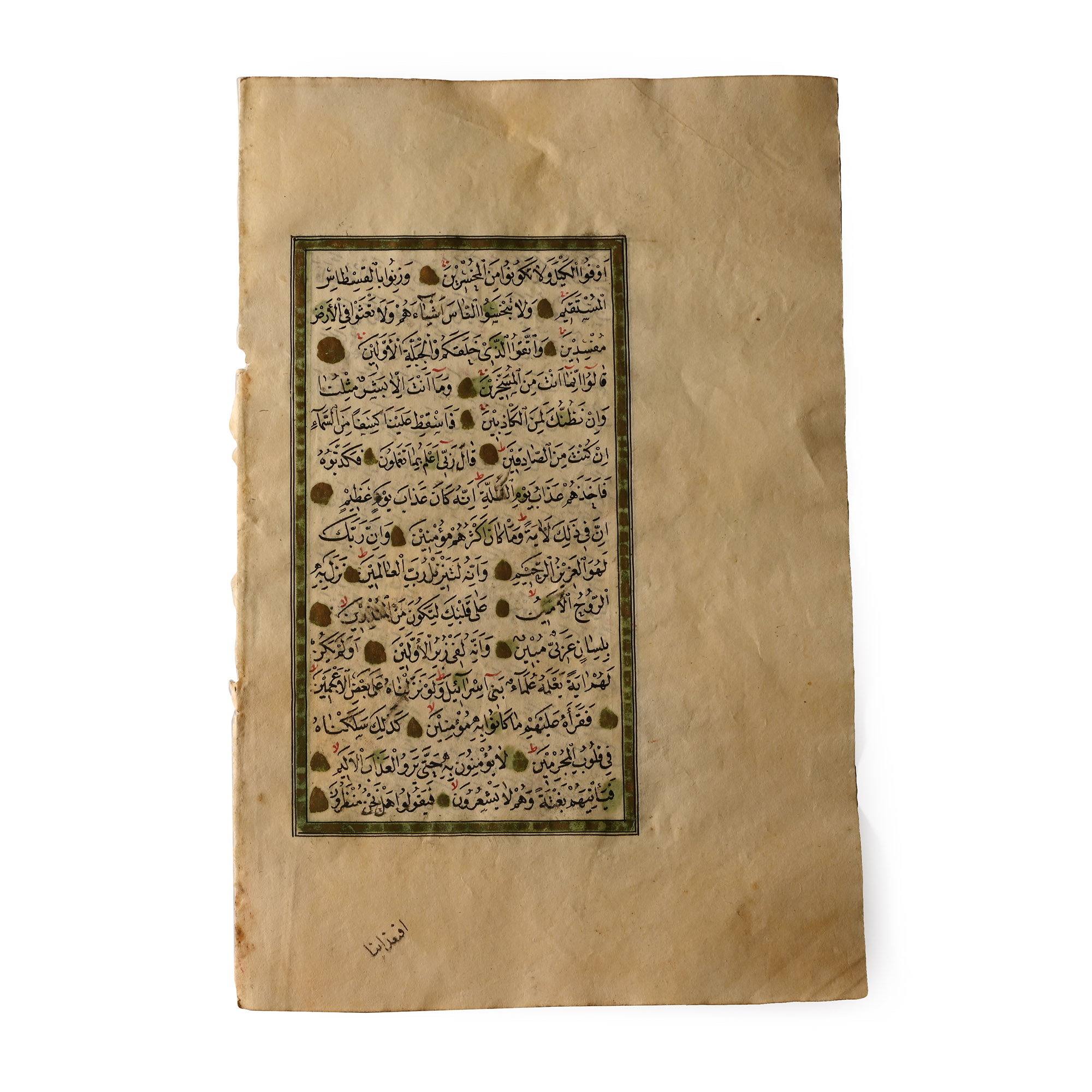
LOT 1238
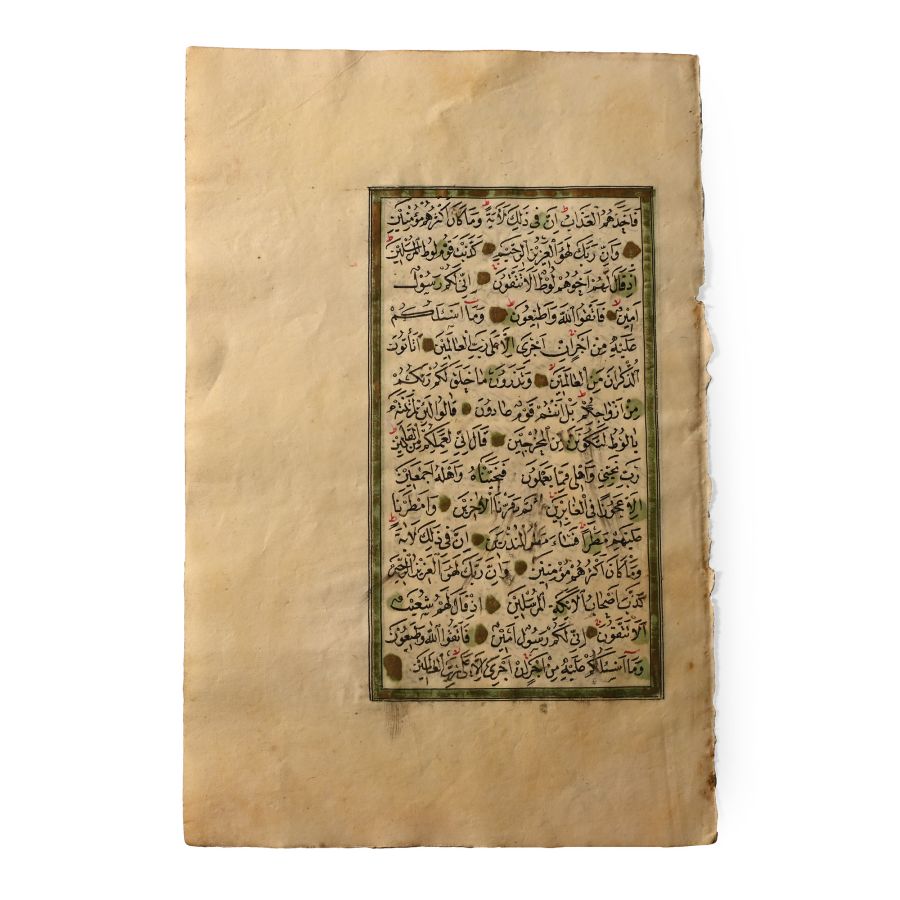
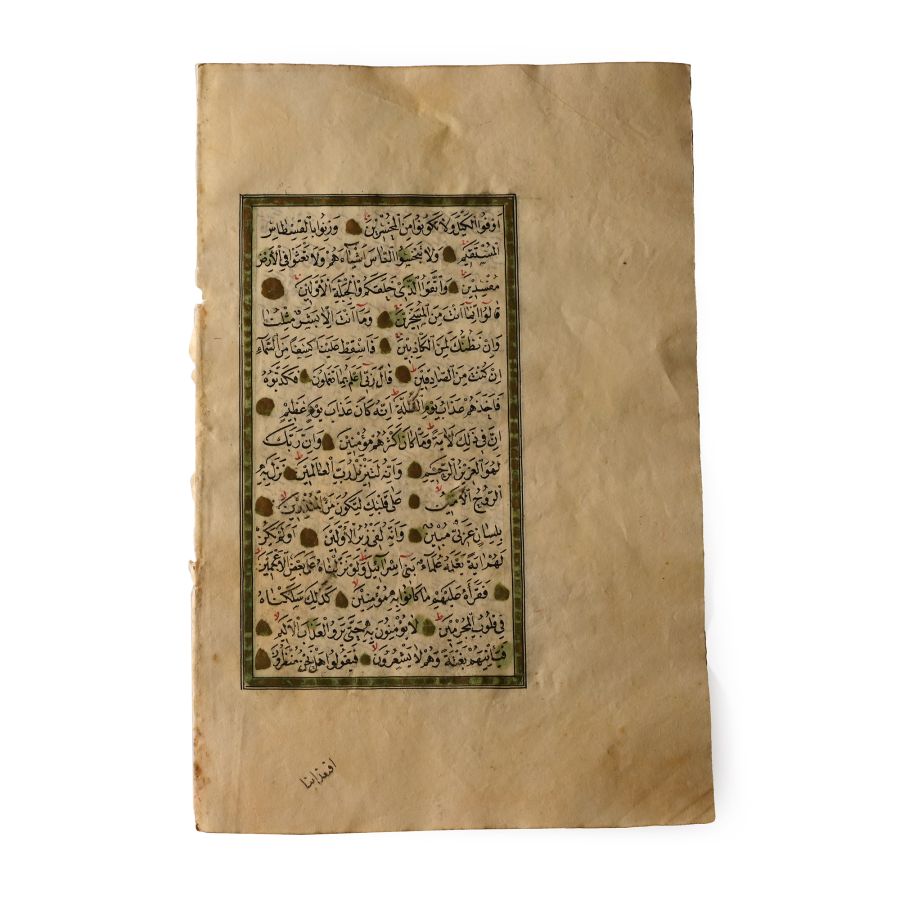
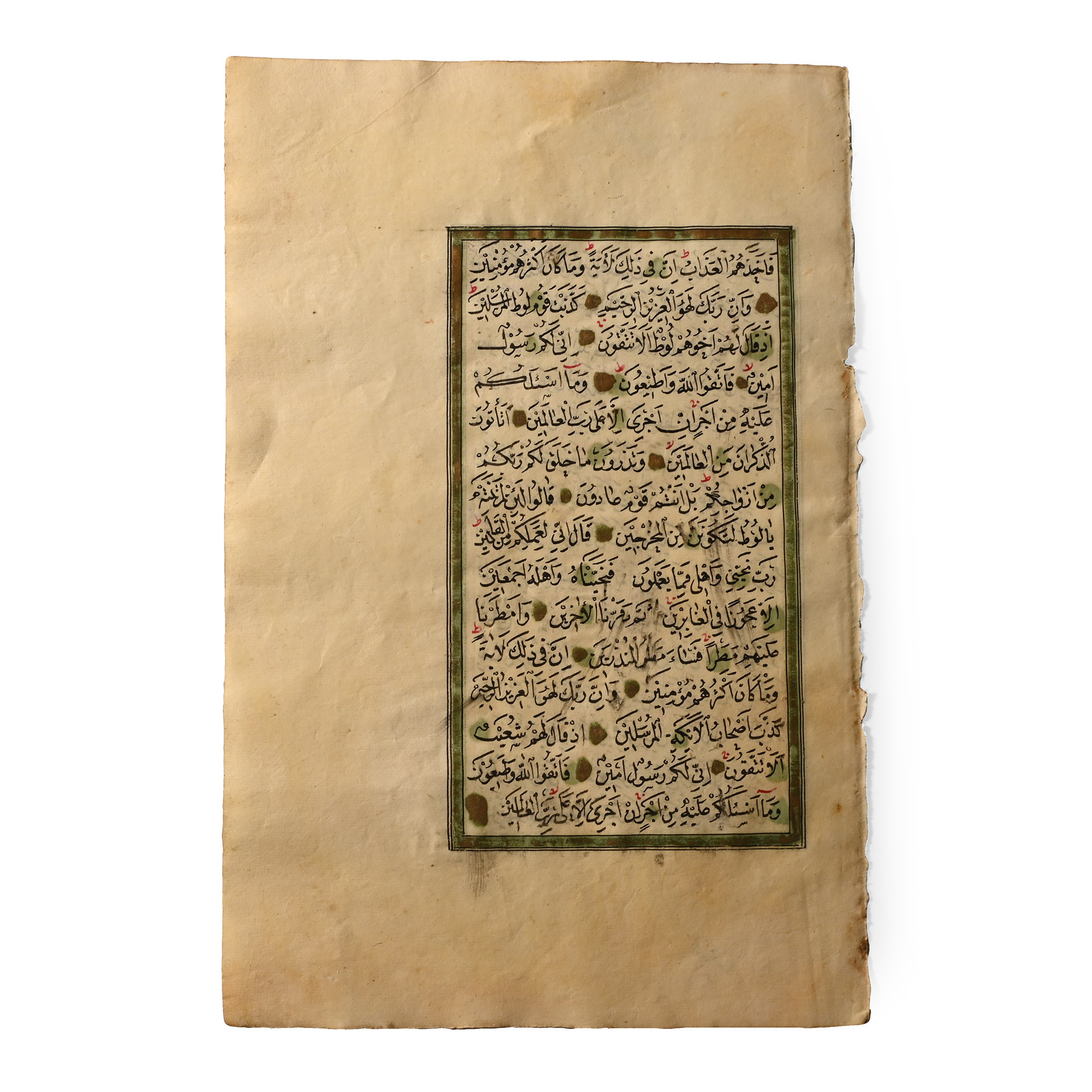
Illuminated Quran Page
18TH-19TH CENTURY A.D.
7 1/2 x 5 in. (1.55 grams, 19.2 x 12.6 cm).
Manuscript leaf with nastaliq script text to both faces; rectangular panel with liquid gold frame and decorative roundels. [No Reserve]
ProvenanceEx M.Cummings collection, UK, 1980s-1990s.
This lot has been cleared against the Art Loss Register database, and is accompanied by an illustrated lot declaration signed by the Head of the Antiquities Department, Dr Raffaele D'Amato.
TimeLine Auctions follows a vetting process to ensure the authenticity and legality of all items, reinforcing our commitment to integrity and responsible trading. Each antiquity, antique, and coin lot undergoes thorough examination by a vetting committee of at least ten external specialists, professional trade association members, scientists, and archaeologists: Our Vetting Process
AUCTIONS:
TimeLine is a leading auction house specialising in antiquities, ancient art, collectables, natural history, coins, medals, and books. Our auctions offer museums, collectors, historians, and enthusiasts the opportunity to acquire unique and historically significant pieces.
-
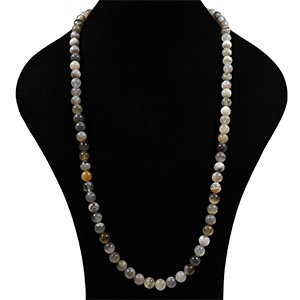
Western Asiatic Agate Bead Necklace String
20th century A.D.Sold for (Inc. bp): £65
A long restrung string composed of spherical beads. 115 grams, 82 cm
Ex collection of a late London, UK, collector, 1970s. This lot has been cleared against the Art Loss Register database, and is accompanied by an illustrated lot declaration signed by the Head of the Antiquities Department, Dr Raffaele D'Amato. -
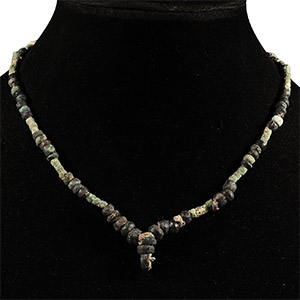
Western Asiatic Bronze Bead Necklace String
2nd-1st millennium B.C.Sold for (Inc. bp): £26
Restrung group of tubular, melon, biconical and other beads. 25.5 grams, 39 cm
Ex London, UK, collection, 1990s. This lot has been cleared against the Art Loss Register database, and is accompanied by an illustrated lot declaration signed by the Head of the Antiquities Department, Dr Raffaele D'Amato. -
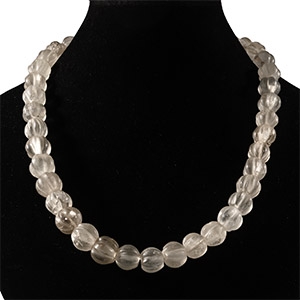
Bactrian Style Rock Crystal Bead Necklace String
20th century A.D.Sold for (Inc. bp): £85
Restrung group of translucent melon beads. 189 grams, 58 cm
Ex London, UK, gentleman, 2000s. This lot has been cleared against the Art Loss Register database, and is accompanied by an illustrated lot declaration signed by the Head of the Antiquities Department, Dr Raffaele D'Amato.
