
Loading, please wait...
LOT 0849
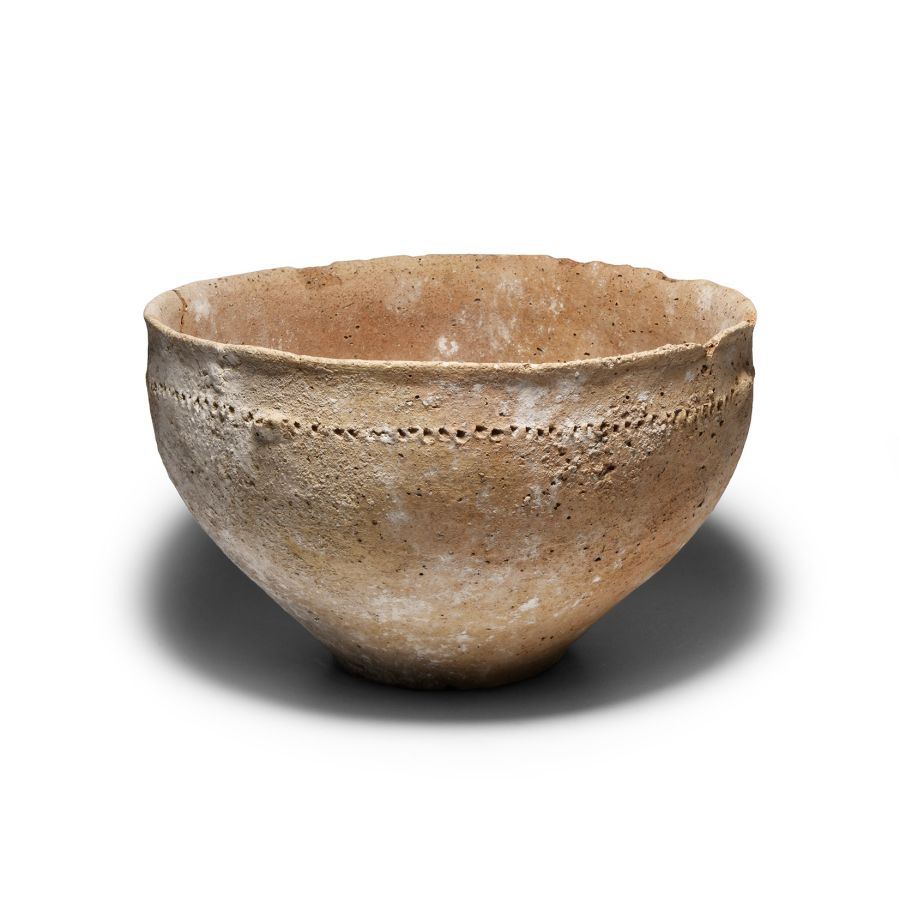
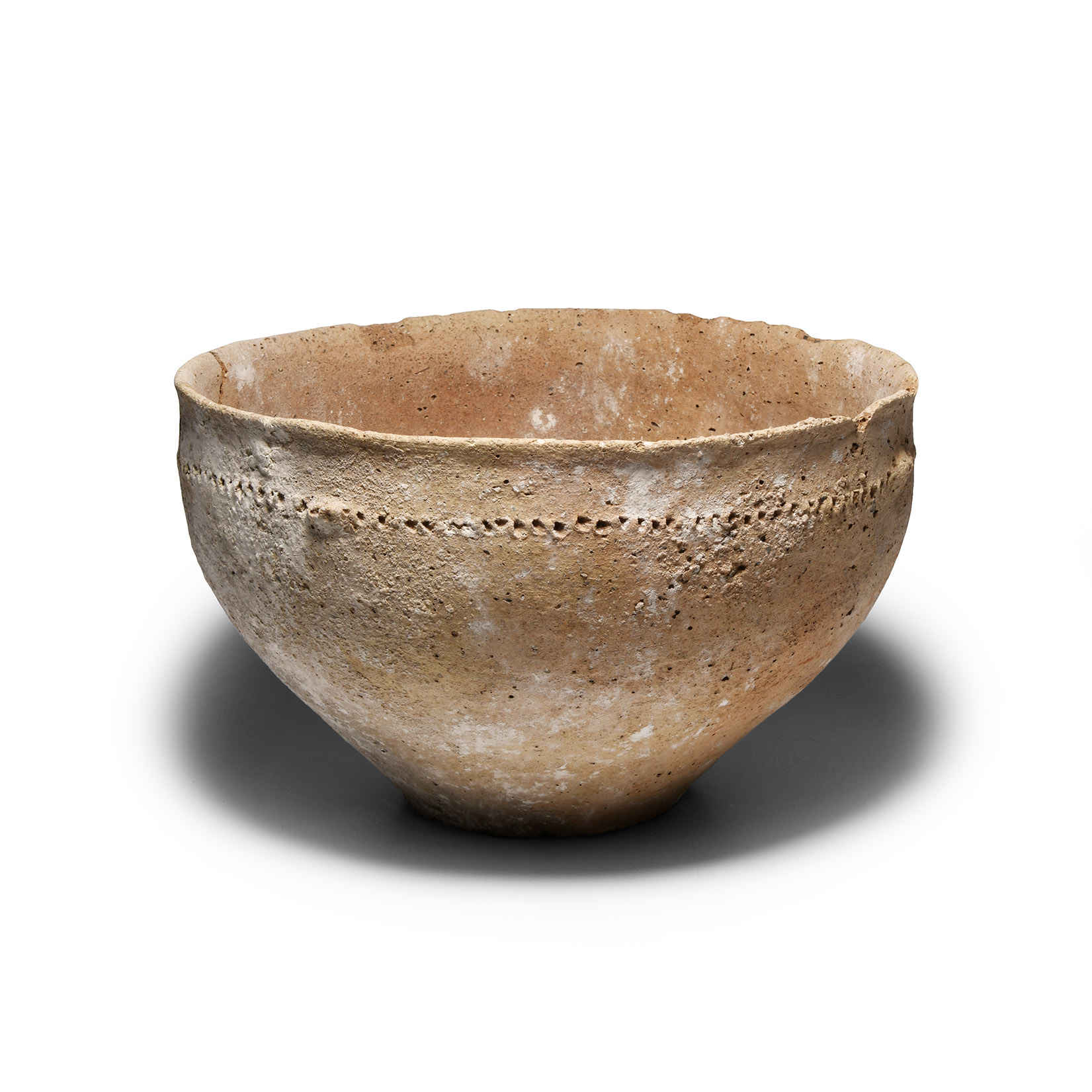
Holy Land Trans Jordanian Ceramic Bowl
3RD-2ND MILLENNIUM B.C.
9 1/2 in. (1.4 kg, 24 cm wide).
Broad bell-shaped body with slightly everted rim, band of impressed points below the rim; cracked. [No Reserve]
ProvenanceFrom an important specialist collection formed in London, UK, before 1988.
CONDITIONTimeLine Auctions follows a vetting process to ensure the authenticity and legality of all items, reinforcing our commitment to integrity and responsible trading. Each antiquity, antique, and coin lot undergoes thorough examination by a vetting committee of at least ten external specialists, professional trade association members, scientists, and archaeologists: Our Vetting Process
AUCTIONS:
TimeLine is a leading auction house specialising in antiquities, ancient art, collectables, natural history, coins, medals, and books. Our auctions offer museums, collectors, historians, and enthusiasts the opportunity to acquire unique and historically significant pieces.
-
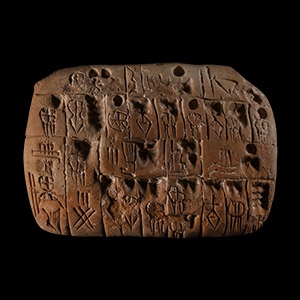
Uruk Pictographic Economic Clay Tablet Relating to Cattle
Circa 3000 B.C.Sold for (Inc. bp): £4,680
Bearing pictographs to the two principal faces; of pillow-shaped form. 112 grams, 89 mm
Specialised collection of cuneiform texts, the property of a London gentleman and housed in London before 1992. Thence by descent to family members. Examined by Professor Wilfrid George Lambert FBA (1926-2011), historian, archaeologist, and specialist in Assyriology and Near Eastern archaeology, in the late 1980s and early 1990s. The collection is exceptional for the variety of types, including some very rare and well preserved examples. This lot has been checked against the Interpol Database of stolen works of art and is accompanied by search certificate no.201149.
The purpose of these items is not known for sure but the combination of pictograms and impressed points has led to the suggestion that they were used for tallying quantities of various commodities. -
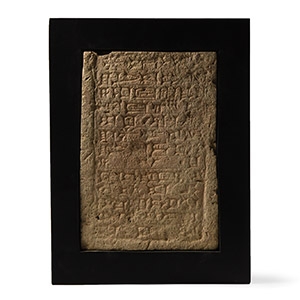
Babylonian Nebuchadnezzar The Great Brick Section with Cuneiform Inscription
1st millennium B.C.Sold for (Inc. bp): £1,950
Rectangular mud-brick with 14 lines of impressed cuneiform text within a reserved border; supposed reference to 'Nabû-kudurri-uṣur' (Nebuchadnezzar); mounted in a custom-made display frame. 1.2 kg total, 27 x 20 cm
Ex B.A. family collection, Kent, pre 1990s. E.P. collection, Cambridge,1990s-2000’s. Latterly to the J.L. collection, Surrey, UK.
Nebuchadnezzar, known as 'the Great', was the second king of the Neo-Babylonian Empire, who reigned from the death of his father Nabopolassar in 605 B.C. to his own death in 562 B.C. He is often regarded as the empire's greatest ruler due to his military victories and his renovations at Babylon. -
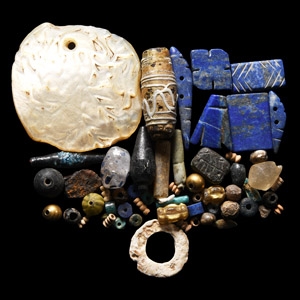
Western Asiatic Mixed Bead Collection
3rd-1st millennium B.C. and laterSold for (Inc. bp): £78
Comprising beads of various materials and shapes, including: lapis lazuli, gold glass, glazed faience, glass, gold and other beads; decorated with animals, floral compositions and geometric motifs. 44.5 grams total, 3-42 mm
Ex Robin Symes Gallery, pre 1999.
