
Loading, please wait...
LOT 1230
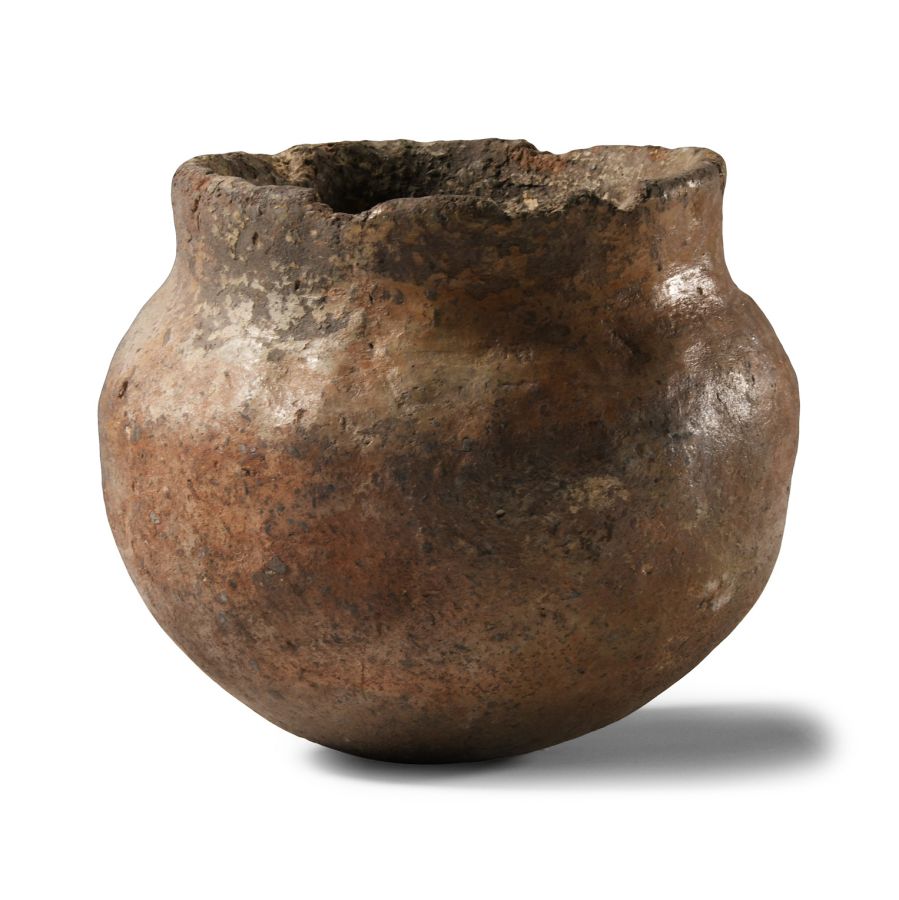
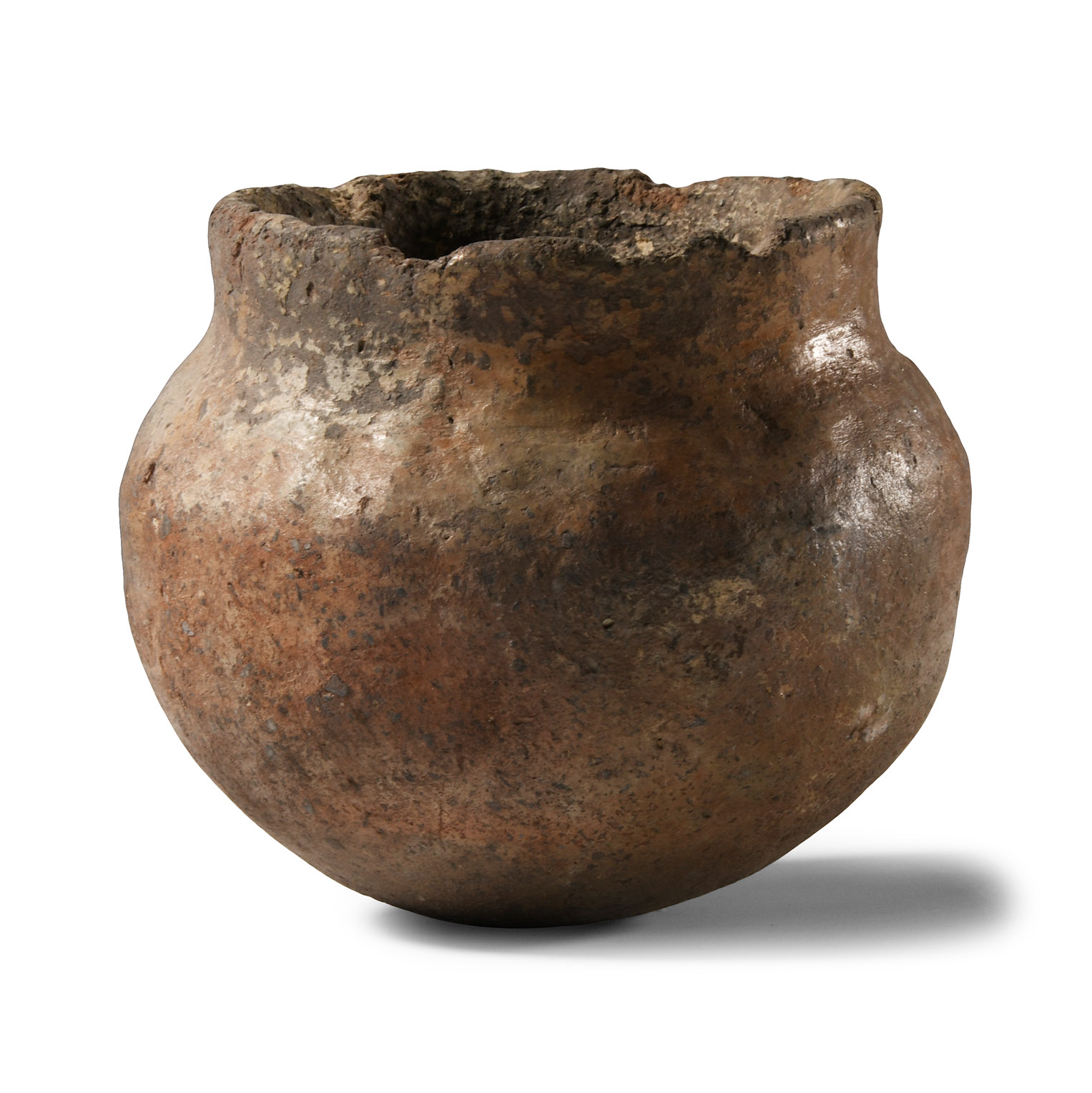
Holy Land Pottery Cup
BRONZE AGE, 16TH-14TH CENTURY B.C.
4 in. (398 grams, 99 mm).
With rounded bottom and carinated profile, thick rim. [No Reserve]
ProvenanceFrom a collection acquired on the UK art market from various auction houses and collections mostly before 2000.
From an important Cambridgeshire estate; thence by descent.
TimeLine Auctions follows a vetting process to ensure the authenticity and legality of all items, reinforcing our commitment to integrity and responsible trading. Each antiquity, antique, and coin lot undergoes thorough examination by a vetting committee of at least ten external specialists, professional trade association members, scientists, and archaeologists: Our Vetting Process
AUCTIONS:
TimeLine is a leading auction house specialising in antiquities, ancient art, collectables, natural history, coins, medals, and books. Our auctions offer museums, collectors, historians, and enthusiasts the opportunity to acquire unique and historically significant pieces.
-
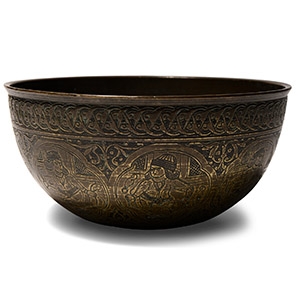
Qajar Period Decorated Bowl
19th century A.D.Estimate: £120 - 170 (+bp*)
Opening Bid: £60
Spun bronze bowl with everted rim, dense low-relief decoration of tendrils and interlace with quatrefoil panels each with a kneeling figure. 195 grams, 11.9 cm wide
Acquired by the vendor's father on the UK art market, before 1990. -
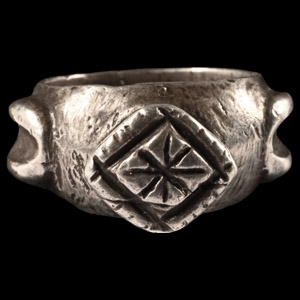
Western Asiatic Silver Ring with Quatrefoil Bezel
12th-13th century A.D.Sold for (Inc. bp): £153
With a wide hoop, grooved plaque to each shoulder; raised quatrefoil bezel with ribbing, central starburst motif enclosed within a hatched frame. 15.25 grams, 29.66 mm overall, 17.23 mm internal diameter (approximate size British O, USA 7, Europe 14.98, Japan 14)
Property of a North American gallery since the 1990s. -
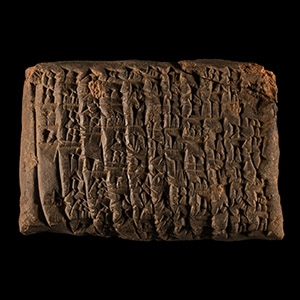
Old Babylonian Cuneiform Letter Tablet
Circa 20th-18th century B.C.Sold for (Inc. bp): £1,300
Pillow-shaped clay tablet with cuneiform text to both broad faces and one edge; chipped. 101 grams, 64 mm
Specialised collection of cuneiform texts, the property of a London gentleman and housed in London before 1992. Thence by descent to family members. Examined by Professor Wilfrid George Lambert FBA (1926-2011), historian, archaeologist, and specialist in Assyriology and Near Eastern archaeology, in the late 1980s and early 1990s. The collection is exceptional for the variety of types, including some very rare and well preserved examples.
