
Loading, please wait...
LOT 1318
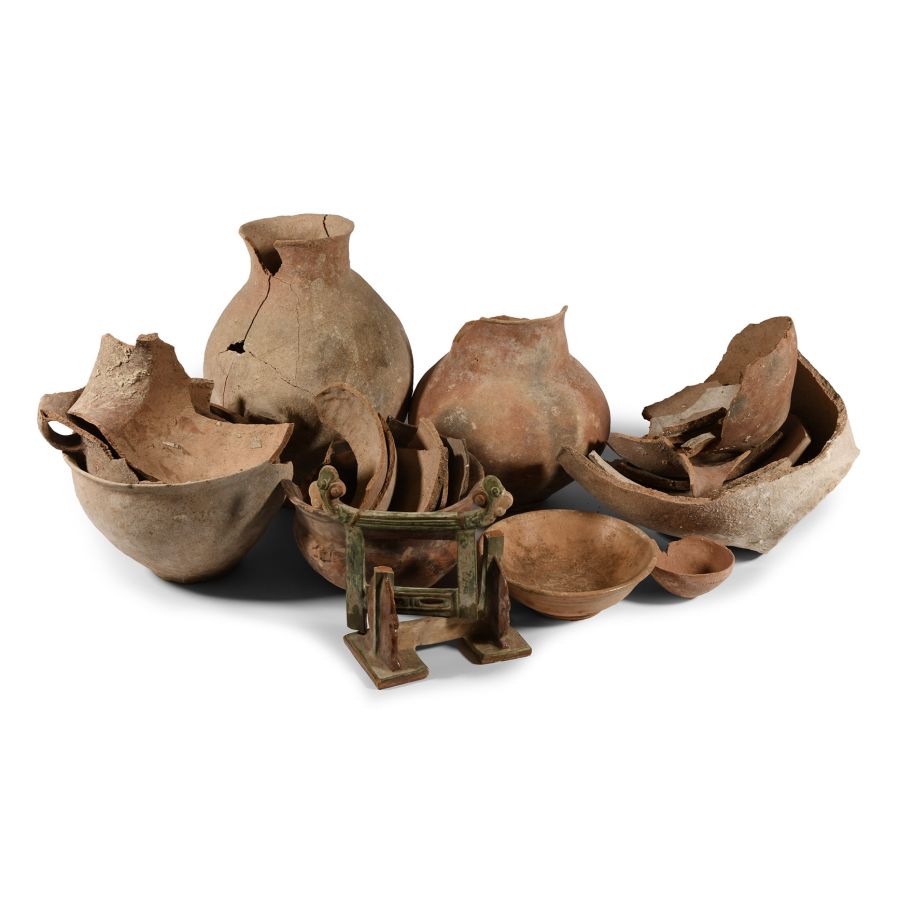
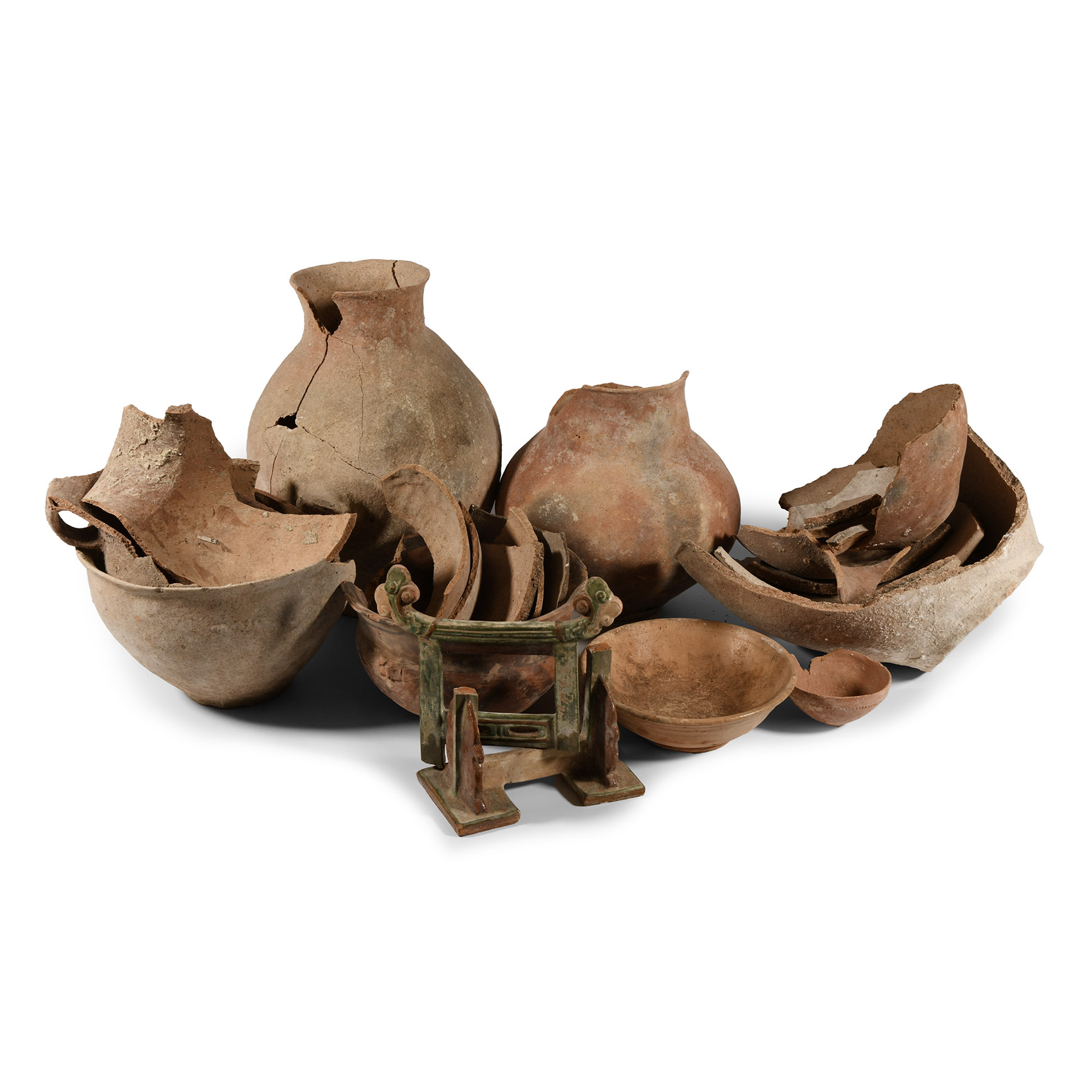
Holy Land and Other Terracotta Pottery Group
3RD-1ST MILLENNIUM B.C.
3/4 - 11 3/4 in. (12.95 kg total, 2-30 cm).
Including globular jars, bowls, vases, a polychrome glazed base and other items. [60+, No Reserve]
ProvenanceEx London, UK, gallery, 1980-1990s.
CONDITIONTimeLine Auctions follows a vetting process to ensure the authenticity and legality of all items, reinforcing our commitment to integrity and responsible trading. Each antiquity, antique, and coin lot undergoes thorough examination by a vetting committee of at least ten external specialists, professional trade association members, scientists, and archaeologists: Our Vetting Process
AUCTIONS:
TimeLine is a leading auction house specialising in antiquities, ancient art, collectables, natural history, coins, medals, and books. Our auctions offer museums, collectors, historians, and enthusiasts the opportunity to acquire unique and historically significant pieces.
-
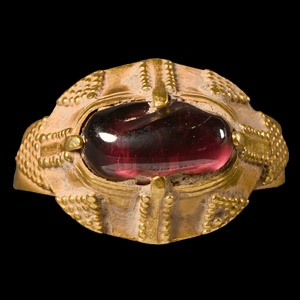
Western Asiatic Garnet-Set Gold Ring
4th-6th century A.D.Sold for (Inc. bp): £910
Flat-section expanding hoop with a granulated triangle to each shoulder, supporting an oval bezel with granulated triangles and linear decoration, set with an uncut garnet with four claws. 4.58 grams, 24.74 mm overall, 17.72 x 16.75 mm internal diameter (approximate size British N, USA 6 1/2, Europe 13.72, Japan 13)
From a private family collection formed in the 1970s. -
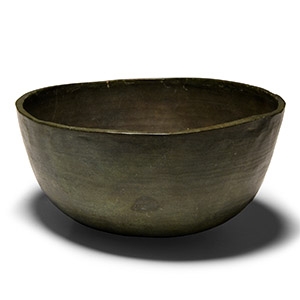
Luristan Fine Bronze Bowl
13th-7th century B.C.Sold for (Inc. bp): £169
Hemispherical in profile with inturned rim. 215 grams, 13 cm
Acquired 1980-2015. Ex Abelita family collection. -
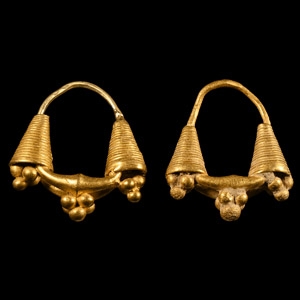
Assyrian Gold Earrings with Bosses
2nd millennium B.C.Sold for (Inc. bp): £1,820
Each a hoop extending between two conical wound-wire bosses above a cluster of granules, carinated shank below with third cluster beneath; one loop replaced. 17.48 grams total, 26-27 mm
From a late Japanese specialist collector, 1970-2000s.
