
Loading, please wait...
LOT 0403
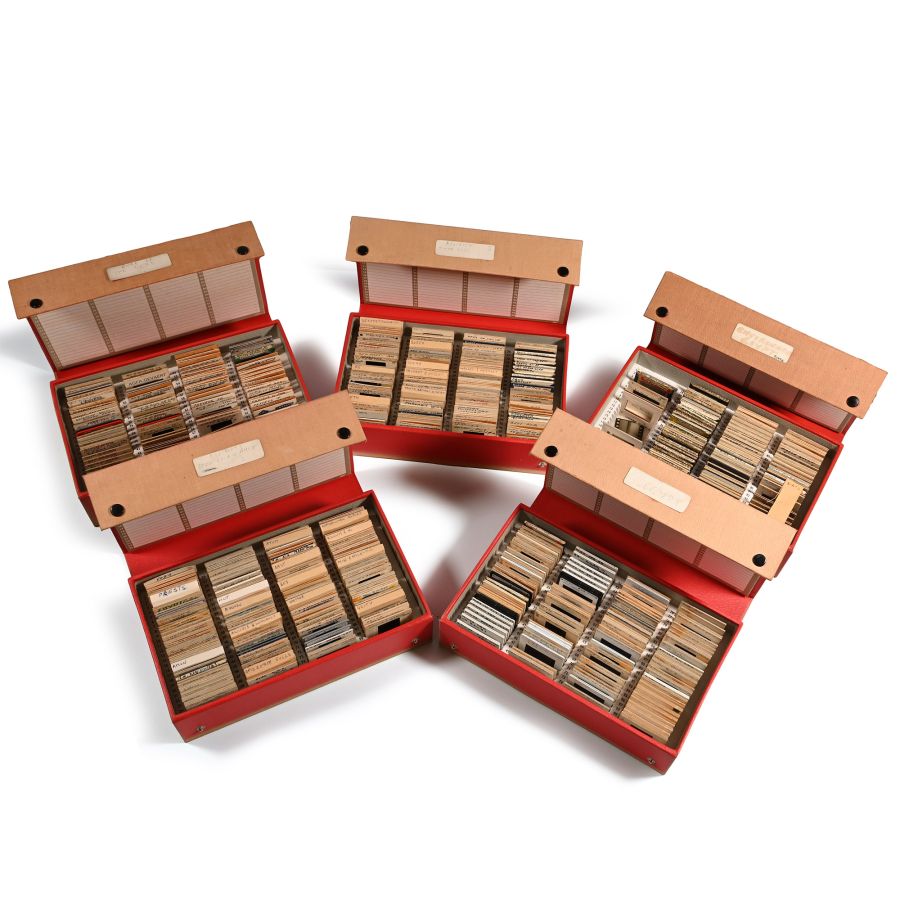
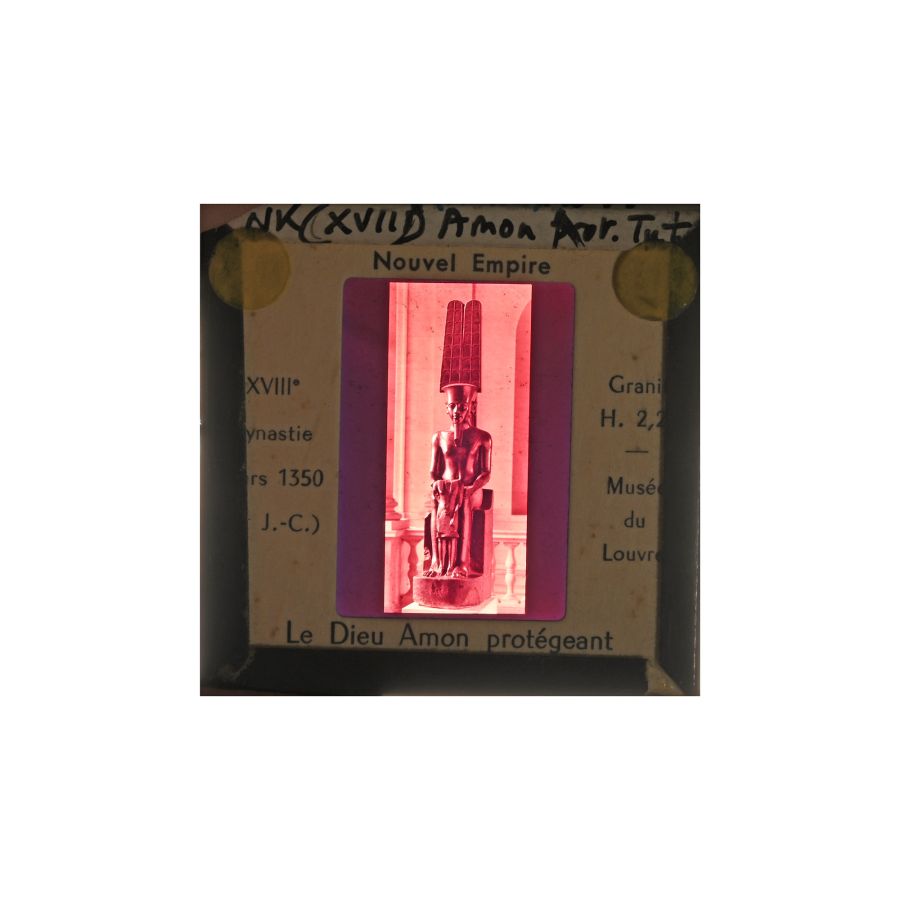
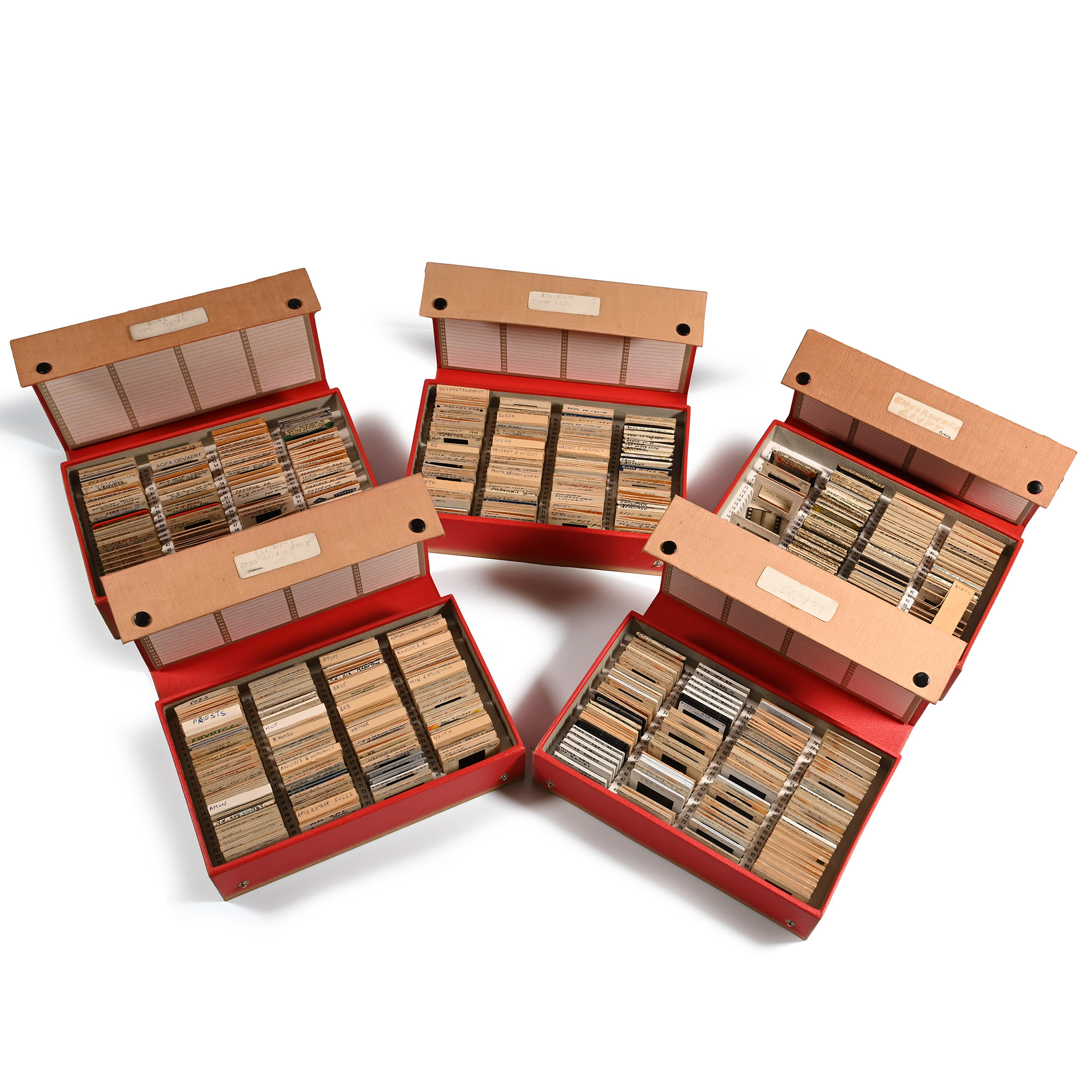
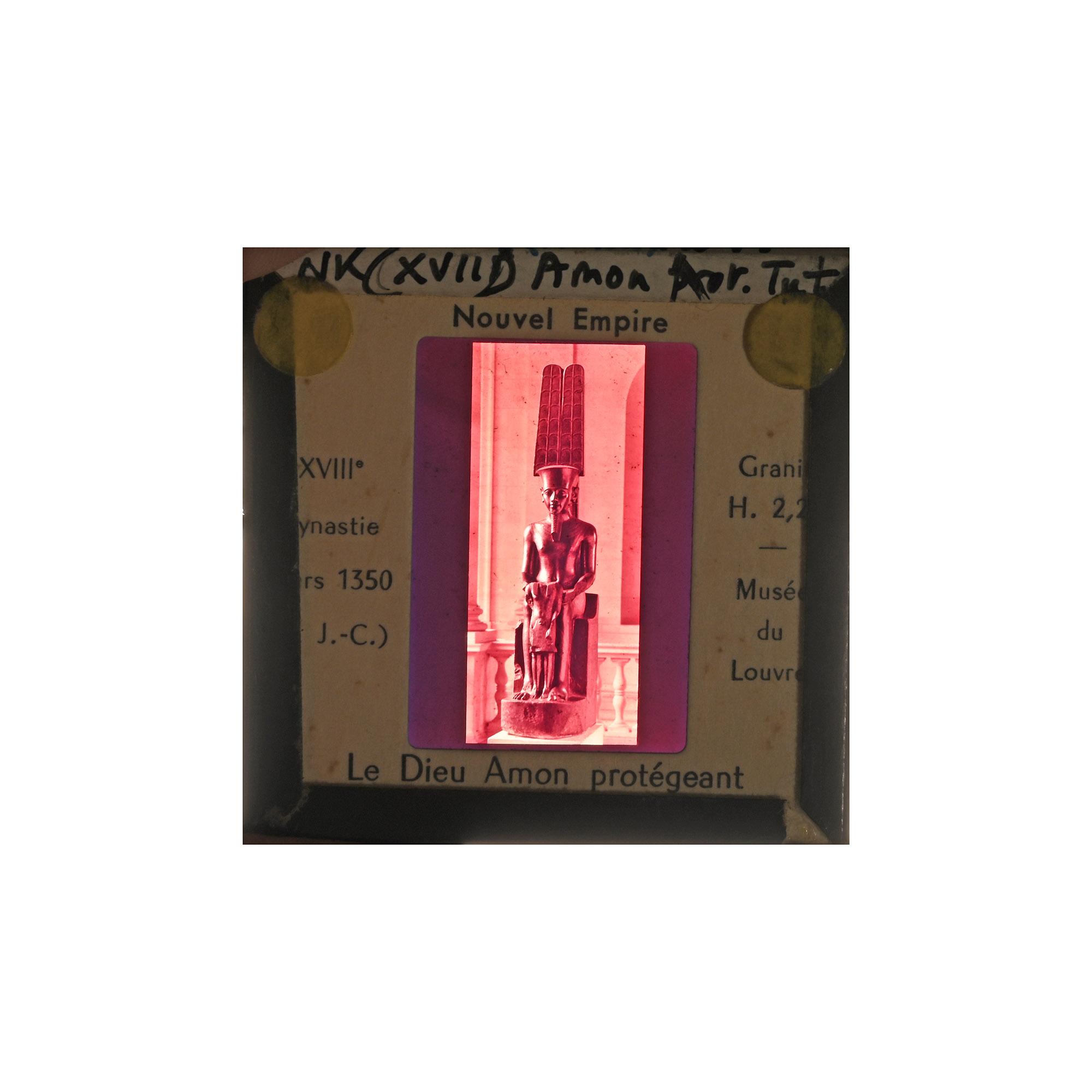
Historic Collection of 725 Slides of Archaeological Sites and Artefacts Including Other Sites in Egypt
1960S-1980S A.D.
10 1/2 x 6 1/2 x 2 1/2 in. (4.44 kg total, 26.5 x 16.5 x 6.5 cm each box).
Housed in five linen-covered boxes, covering general Egyptian sites, religion, Gods of Amun and Osiris, minor gods, environment, boats, and Book of the Dead etc. [5, No Reserve]
ProvenanceProperty of archaeologist Stephanie Gee, N.W. London, UK, 1960s-1980s.
This lot is accompanied by an illustrated lot declaration signed by the Head of the Antiquities Department, Dr Raffaele D'Amato.
Stephanie Gee was a prominent archaeologist who took part in several expeditions in Egypt. She was a trusted assistant to the British-Australian archaeologist Veronica Seton-Williams, who excavated in Egypt, Britain, and the Near East. Stephanie also took part in the Tell El-Farâ'în expeditions of 1965-1968, and assisted Seton-Williams with preparing the 1966 expedition report. Their collaboration continued and Stephanie helped with the manuscript of Seton-Williams’ book ‘The Road to El-Aguzein’, a narrative account of her life that was first published in 1988.
CONDITIONTimeLine Auctions follows a vetting process to ensure the authenticity and legality of all items, reinforcing our commitment to integrity and responsible trading. Each antiquity, antique, and coin lot undergoes thorough examination by a vetting committee of at least ten external specialists, professional trade association members, scientists, and archaeologists: Our Vetting Process
AUCTIONS:
TimeLine is a leading auction house specialising in antiquities, ancient art, collectables, natural history, coins, medals, and books. Our auctions offer museums, collectors, historians, and enthusiasts the opportunity to acquire unique and historically significant pieces.
LOT 0403
Historic Collection of 725 Slides of Archaeological Sites and Artefacts Including Other Sites in Egypt
Sold for (Inc. bp): £650
-
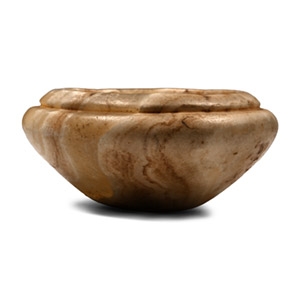
Egyptian Alabaster Bowl
1st Dynasty, circa 3000 B.C.Sold for (Inc. bp): £1,300
Of conical profile with flattened base, carinated shoulder and stepped rounded rim, possibly for accepting a lid. 380 grams, 11.6 cm wide
Property from an American deceased estate, acquired between 1970-1989. with Bonhams, London, 28 October 2009, no.16 (Part). Private European collection. Accompanied by copies of the relevant Bonhams catalogue pages. This lot has been checked against the Interpol Database of stolen works of art and is accompanied by a search certificate number no.12071-215259. This lot is accompanied by an illustrated lot declaration signed by the Head of the Antiquities Department, Dr Raffaele D'Amato. -
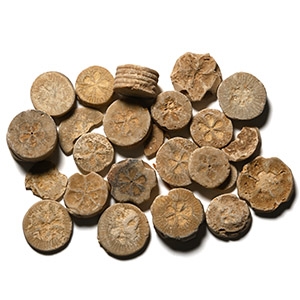
Egyptian Limestone Floral Inlay Group
Roman Period, 30 B.C.-323 A.D. or earlierSold for (Inc. bp): £104
Group of cylindrical and discoid inlay plaques or gaming counters, crinoids with cinquefoil motif. 48.8 grams total, 12-20 mm
From a central London ADA dealership, 1980-1990. This lot is accompanied by an illustrated lot declaration signed by the Head of the Antiquities Department, Dr Raffaele D'Amato.
Flowers were symbolic of rebirth due to the daily reopening of their petals after nightfall. As a result, they were widely used in domestic settings, religious and funerary contexts, and as adornments. Similar rosette discs, like those recovered from the Ramesside Period palace at Qantir, were used as decorative elements in royal palaces. -
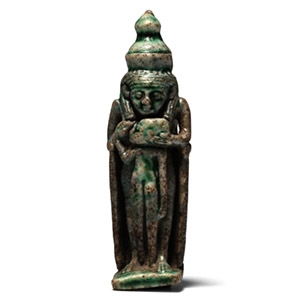
Egyptian Green Glazed Steatite Syncretic Amulet of Mut
Third Intermediate Period, circa 1069-735 B.C.Estimate: £2,500 - 3,500 (+bp*)
Opening Bid: £1,250
Modelled in the round, formed as the goddess standing before a high-backed throne cradling the head of a standing child to her chest; the goddess with tiered double-crown and tripartite wig; throne with low-relief figure of the lioness-headed goddess Sekhmet to the rear with spread wings forming the arms of the chair. 22.6 grams, 61 mm
with Jean-Phillipe Mariaud de Serres, Paris, France. Private collection, London, UK, acquired from the above in 1992. This lot has been checked against the Interpol Database of stolen works of art and is accompanied by a search certificate number no.12633-235083. This lot has been cleared against the Art Loss Register database, and is accompanied by an illustrated lot declaration signed by the Head of the Antiquities Department, Dr Raffaele D'Amato.
Mut was a prominent mother goddess in ancient Egyptian religion, associated with creation, motherhood, and the sky. She was the consort of the god Amun and the mother of Khonsu, forming the Theban triad with them in Thebes. Mut's name ("mother" in ancient Egyptian), reflects her role as a divine mother and patroness of motherhood. Sekhmet was revered as a powerful and fierce protector. Her presence was believed to ward off evil and safeguard the people from harm. In ancient Egyptian mythology, Sekhmet was also a manifestation of Hathor, another powerful birth goddess.
