
Loading, please wait...
LOT 0600
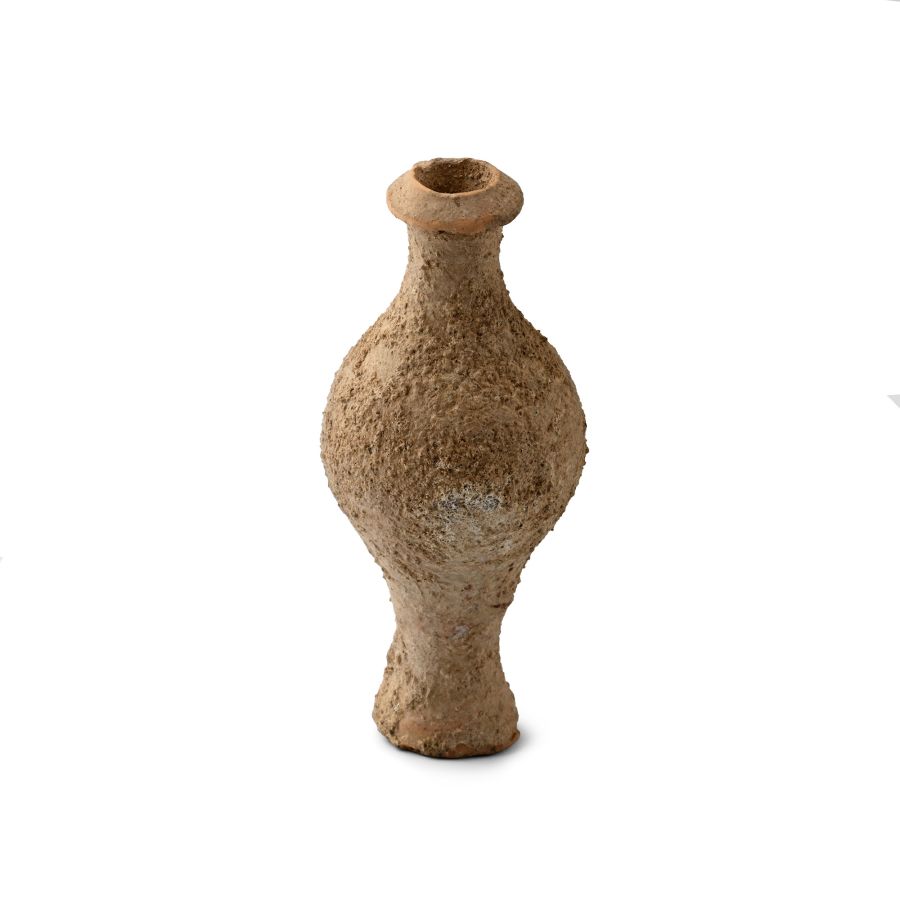
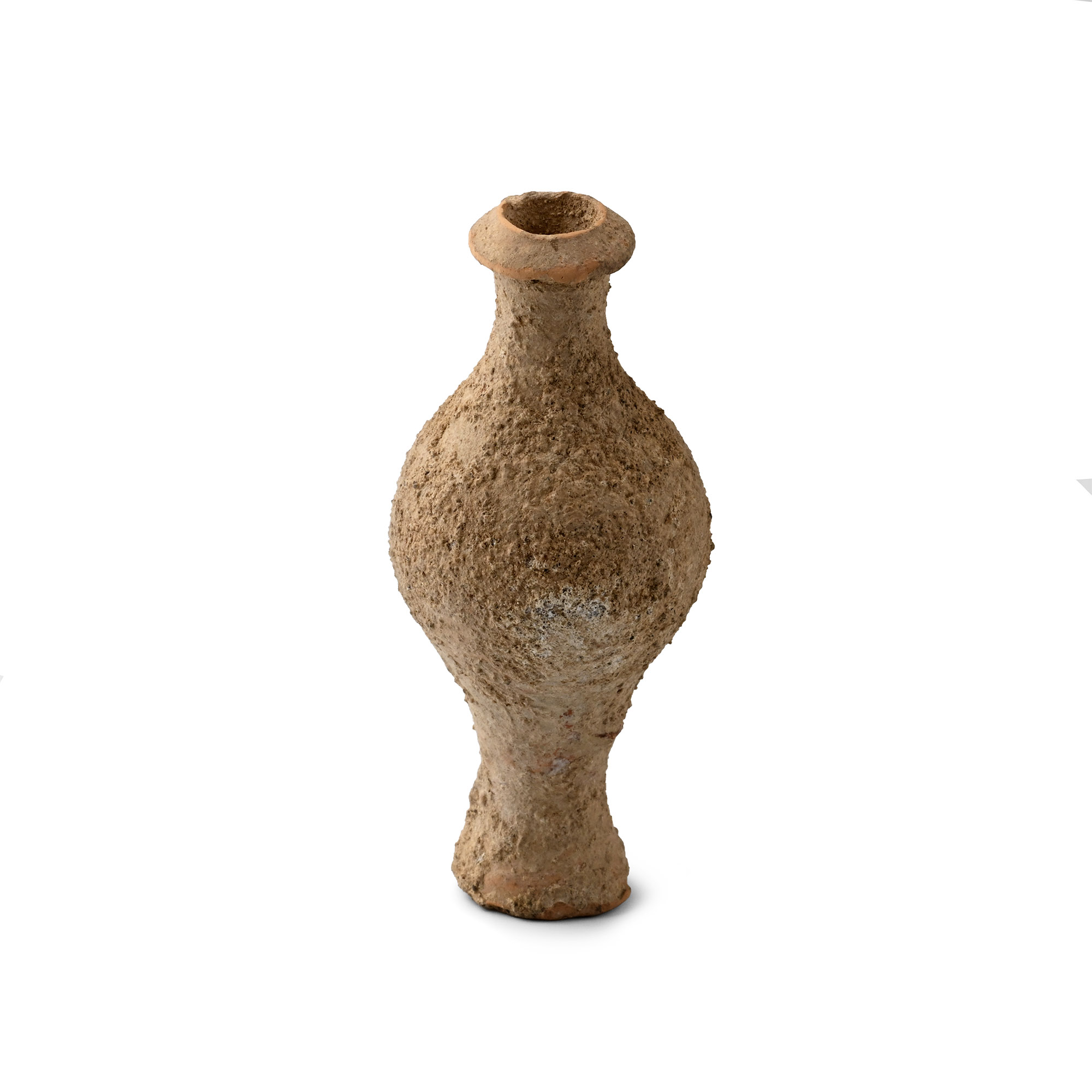
Hellenistic Terracotta Spindle Flask
5TH-3RD CENTURY B.C.
3 1/4 in. (49 grams, 83 mm).
With a long, narrow neck and a chamfered mouth, developing to a fusiform body and a flared foot. [No Reserve]
ProvenanceEx private Birmingham, UK, archaeological collection.
From the property of a late Lincolnshire, UK, gentleman.
TimeLine Auctions follows a vetting process to ensure the authenticity and legality of all items, reinforcing our commitment to integrity and responsible trading. Each antiquity, antique, and coin lot undergoes thorough examination by a vetting committee of at least ten external specialists, professional trade association members, scientists, and archaeologists: Our Vetting Process
AUCTIONS:
TimeLine is a leading auction house specialising in antiquities, ancient art, collectables, natural history, coins, medals, and books. Our auctions offer museums, collectors, historians, and enthusiasts the opportunity to acquire unique and historically significant pieces.
-
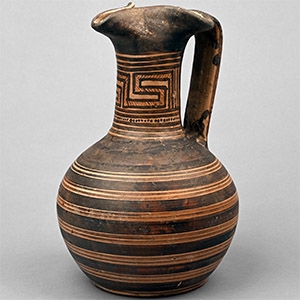
Attic Terracotta Geometric Jug with Handle
8th century B.C.Sold for (Inc. bp): £2,106
With a bulbous body and low basal ring, tubular neck with pinched trefoil spout and a wide strap handle to the rear; the body decorated with densely arranged circumferential bands, a panel of Greek key motifs on the neck, the handle with horizontal stripes and a central X-motif. 735 grams, 23.7 cm
Swiss private collection, 1980-1990s. Private collection, Bern, Switzerland. This lot has been checked against the Interpol Database of stolen works of art and is accompanied by a search certificate number no.12654-236373.
These kinds of geometric oinochoai almost always had spherical bodies, cylindrical necks with trefoil mouths and strap handles from rim to shoulder. They are typical of Attic workshops of the Middle Geometric period (800-750 B.C.). -
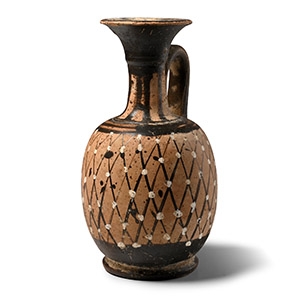
Greek Apulian Blackware Net-Painted Lekythos
Magna Graecia, circa 4th century B.C.Sold for (Inc. bp): £247
Barrel-shaped body with a carinated shoulder; net pattern painted to the body; trumpet-shaped mouth and loop handle to the rear. 120 grams, 11.3 cm
Property of a private Rutland, UK, collector, formed from at least from the 1990s. -
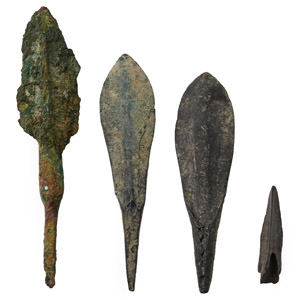
Greek and Other Bronze Arrowhead Group
1st millennium B.C.Sold for (Inc. bp): £72
Including triangular-section, leaf-shaped and other types. 24.1 grams total, 23-67 mm
The Greek examples from Persepolis Gallery, Mayfair, London, UK, in the 1980s. Ex private collection, London, UK. The two leaf-shaped examples acquired 1980-2015. Ex Abelita family collection. The tanged ex property of a North London gentleman; acquired on the UK art market. From a private collection formed in the Netherlands. From the property of a late Lincolnshire, UK, gentleman.
