
Loading, please wait...
LOT 1973
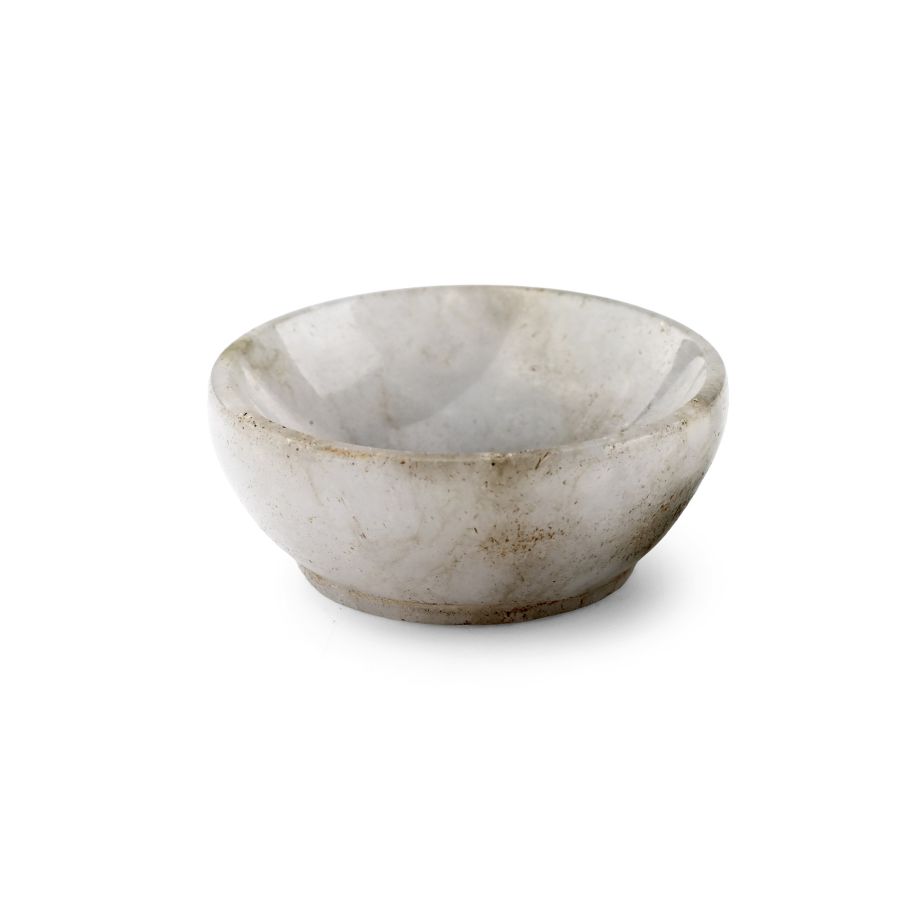
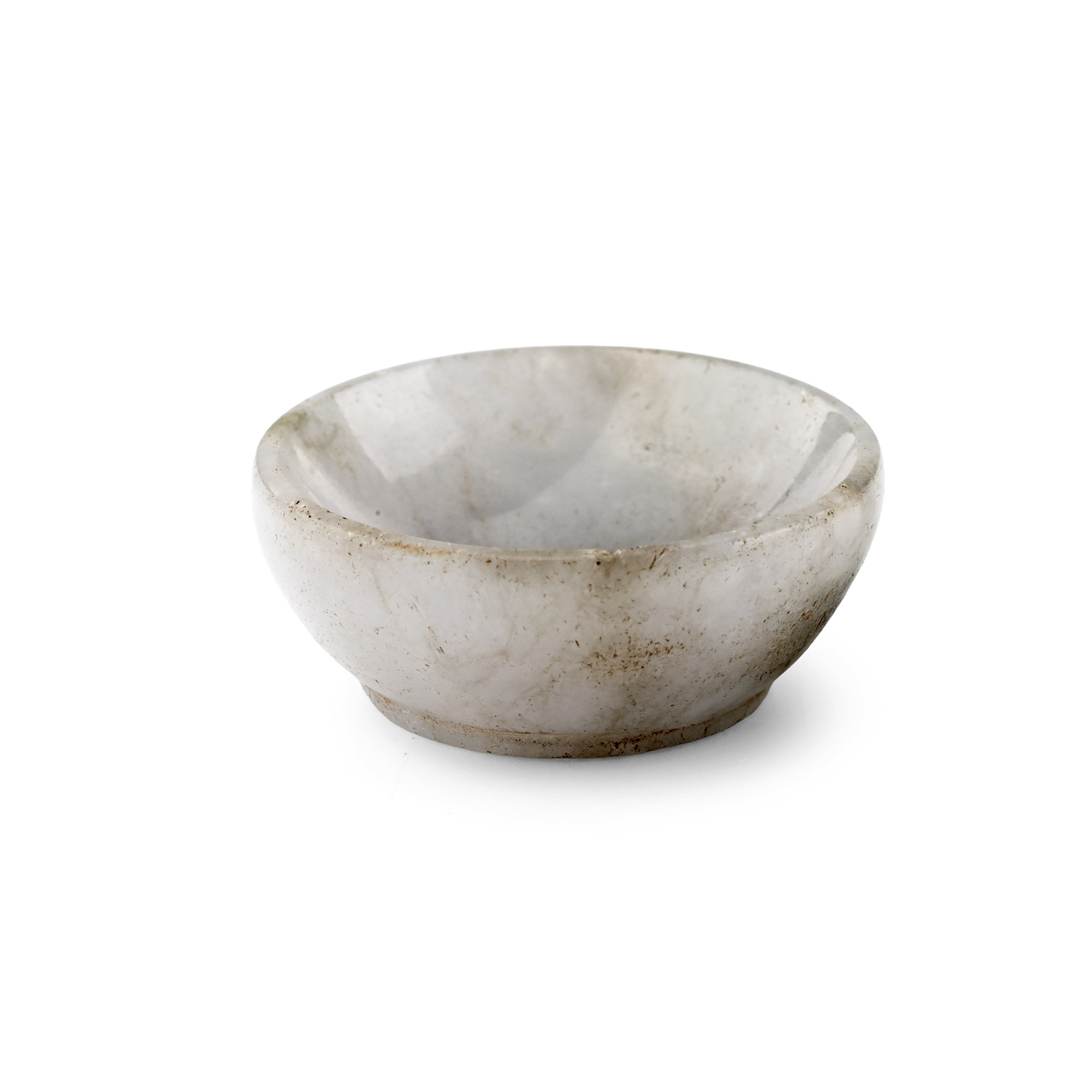
Hellenistic Style Agate Cosmetic Dish
20TH CENTURY A.D. OR EARLIER
1 1/8 in. (13.3 grams, 30 mm).
Miniature shallow dish with flared sidewall.
ProvenanceFrom the private collection of Mr K.A., acquired in the 1990s-early 2000s.
CONDITIONTimeLine Auctions follows a vetting process to ensure the authenticity and legality of all items, reinforcing our commitment to integrity and responsible trading. Each antiquity, antique, and coin lot undergoes thorough examination by a vetting committee of at least ten external specialists, professional trade association members, scientists, and archaeologists: Our Vetting Process
AUCTIONS:
TimeLine is a leading auction house specialising in antiquities, ancient art, collectables, natural history, coins, medals, and books. Our auctions offer museums, collectors, historians, and enthusiasts the opportunity to acquire unique and historically significant pieces.
LOT 1973
Hellenistic Style Agate Cosmetic Dish
Estimate £200 - 300€230 - 350 (for guidance only)$270 - 410 (for guidance only)
-
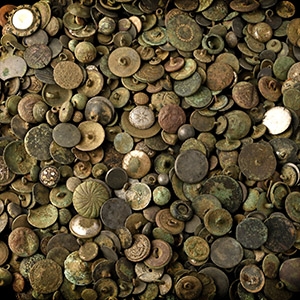
Post Medieval Bronze Button Collection
Circa 16th-20th century A.D.Sold for (Inc. bp): £20
Including plain disc, low-relief domed, bell-shaped and other types. 1.73 kg total, 11-29 mm
Found Suffolk, UK. (UK buyers only, not for export) -
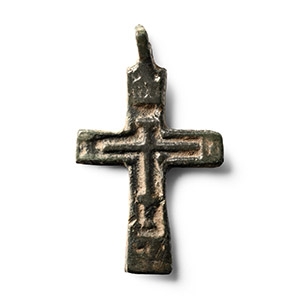
Orthodox Bronze Cross Pendant
Circa 17th century A.D.Sold for (Inc. bp): £20
Voided to the obverse with reserved low-relief inner cross motif. 3.08 grams, 32 mm
Acquired from Chris Martin-Zakheim, Iconastas, 5 Piccadilly Arcade, London SW1. From the private collection of a West London, UK, gentleman, formed since the early 2000s. -
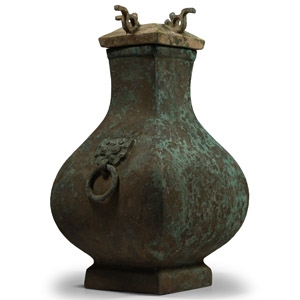
Chinese Archaic Style Bronze Vessel
20th century A.D.Estimate: £100 - 140 (+bp*)
Opening Bid: £50
Square in section and piriform in profile with taotie masks supporting drop handles, domed lid with four dragon appliqués. 3.2 kg, 34 cm high
Ex West Country, UK, collection, 1990s, and Desmond Morris. This lot is accompanied by an illustrated lot declaration signed by the Head of the Antiquities Department, Dr Raffaele D'Amato.
