
Loading, please wait...
LOT 0096
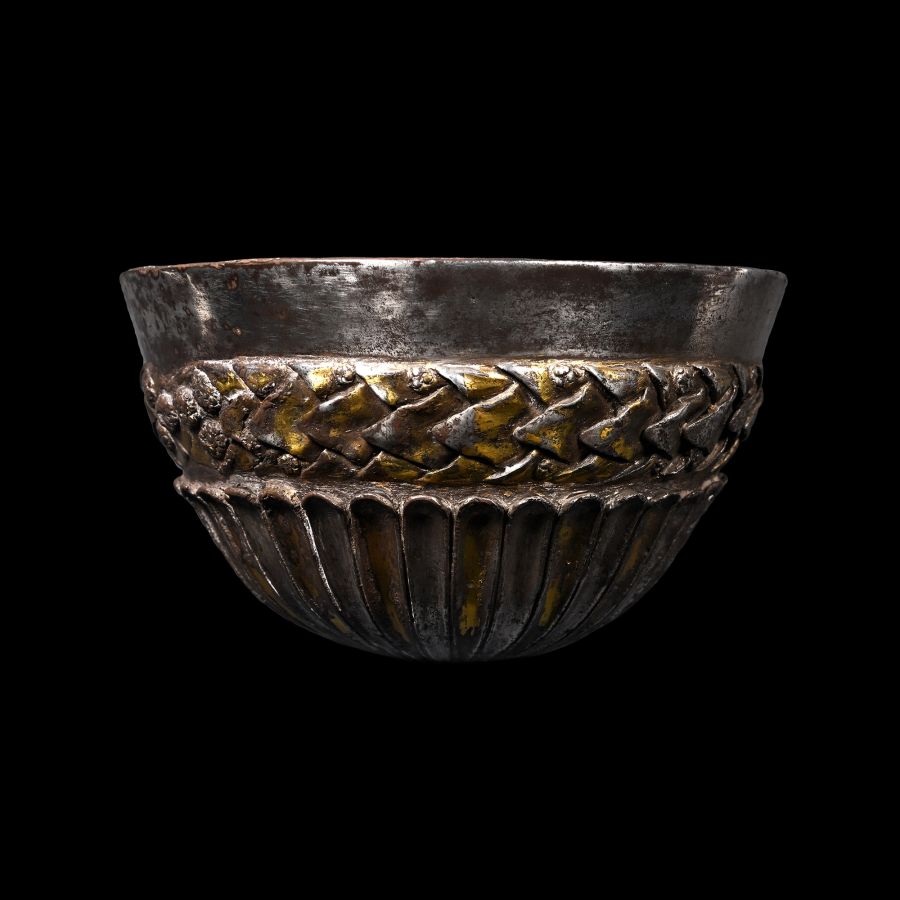
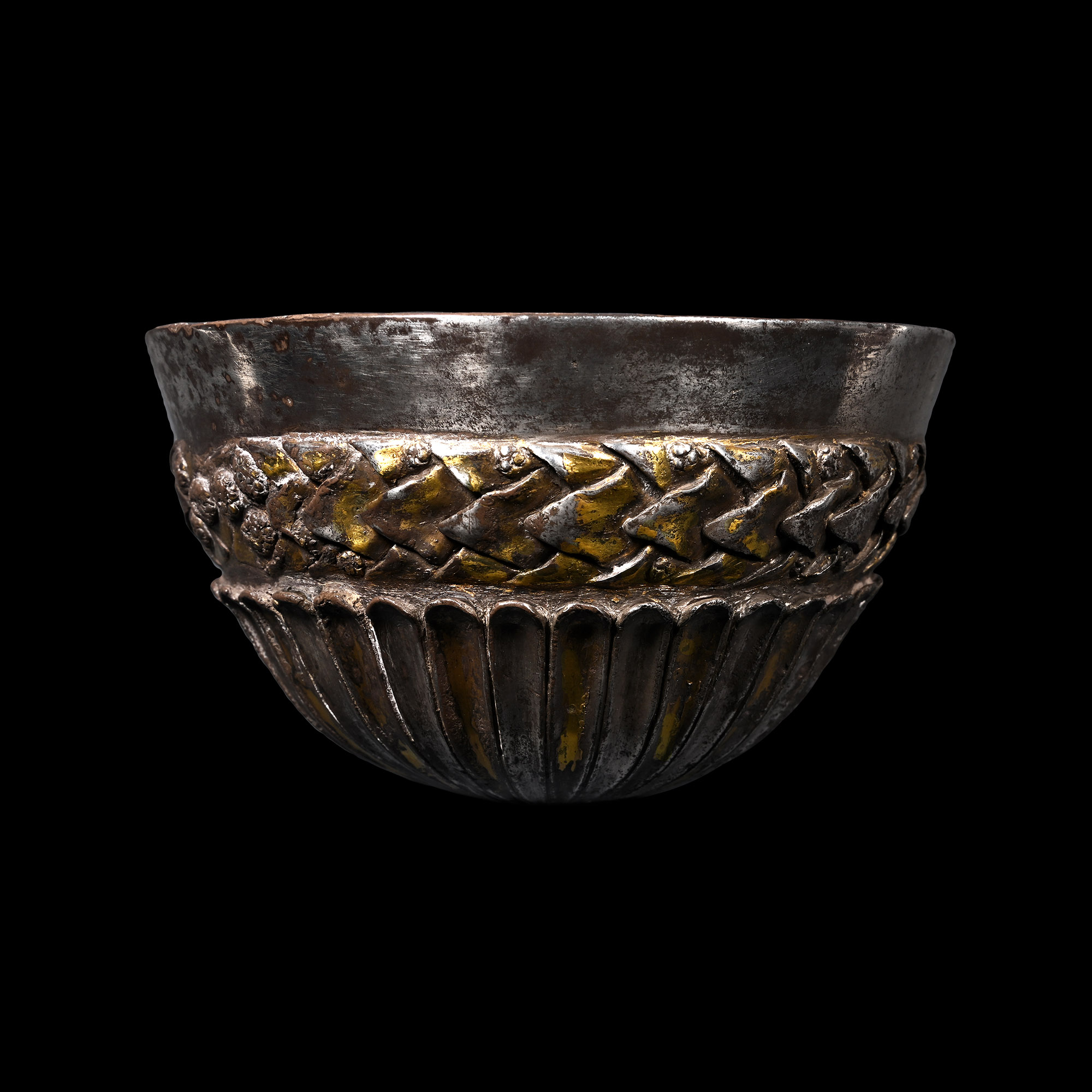
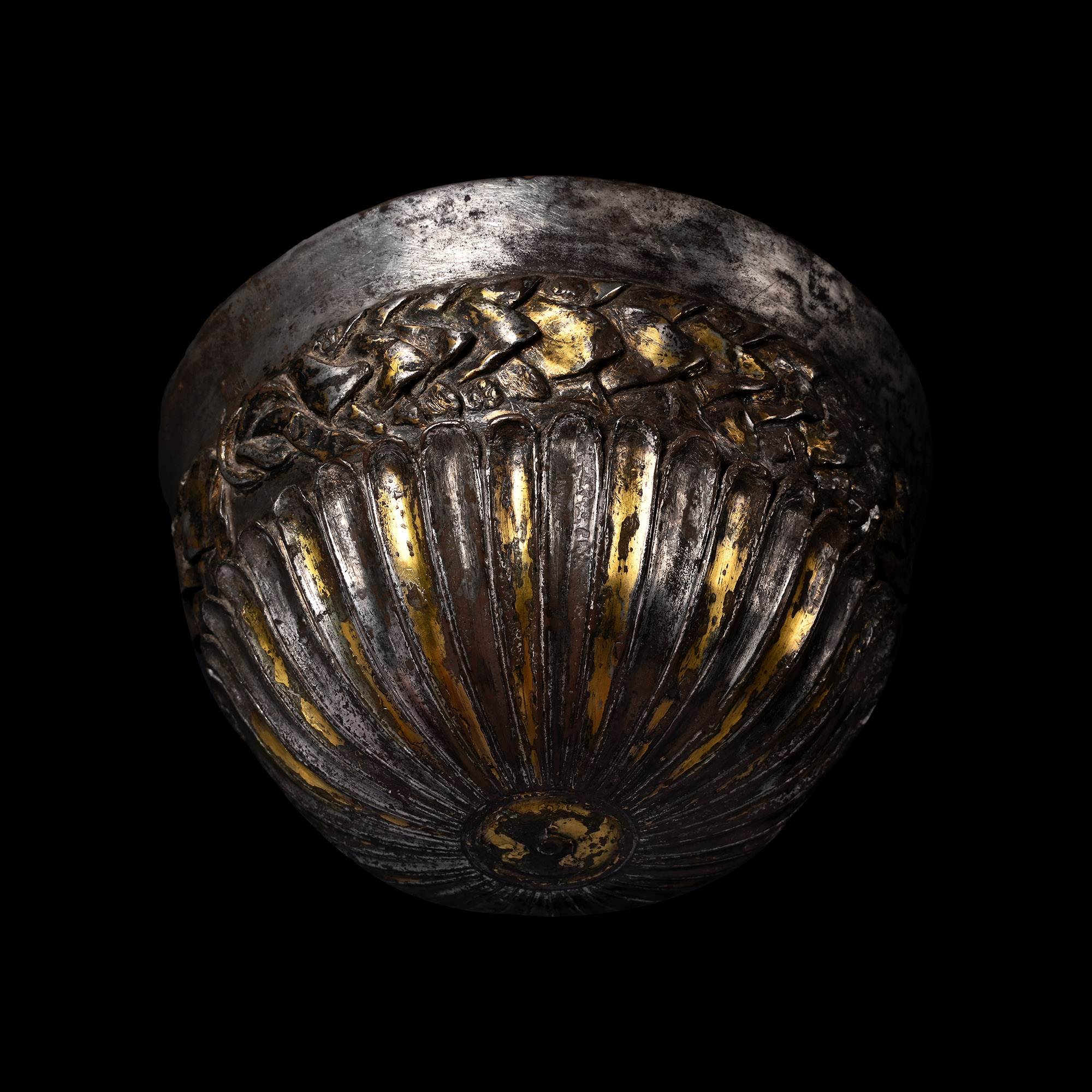
Hellenistic Silver-Gilt Drinking Cup
2ND-1ST CENTURY B.C.
4 1/4 in. (508 grams, 10.9 cm).
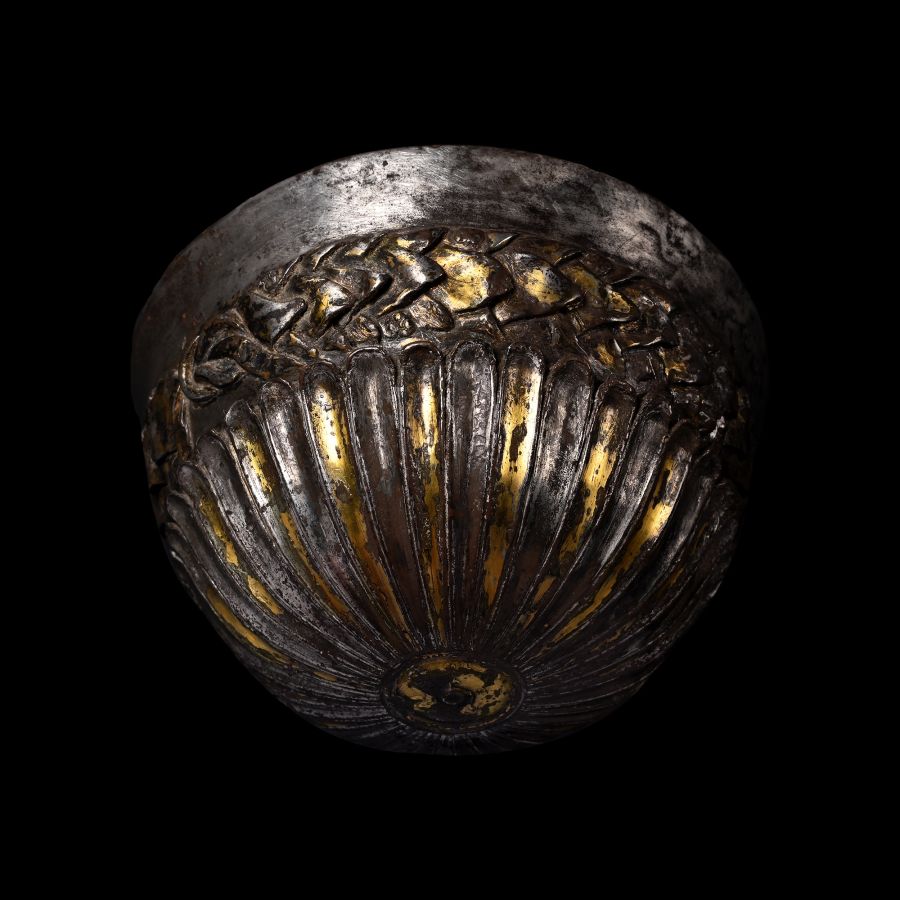
A heavy hemispherical vessel with simulated braid beneath the rim and Hercules' knot; the body with lotus-flower ornament.
ProvenanceAcquired before 1983.
Ex London gallery, 1990s.
This lot has been checked against the Interpol Database of stolen works of art and is accompanied by a search certificate number no.12661-236259.
This lot has been cleared against the Art Loss Register database, and is accompanied by an illustrated lot declaration signed by the Head of the Antiquities Department, Dr Raffaele D'Amato.
See Pfrommer, M., Metalwork from the Hellenized East: Catalogue of the Collections of the J. Paul Getty Museum, Malibu, 1993, pp.21ff and 140ff, for general discussion and parallels.
CONDITIONTimeLine Auctions follows a vetting process to ensure the authenticity and legality of all items, reinforcing our commitment to integrity and responsible trading. Each antiquity, antique, and coin lot undergoes thorough examination by a vetting committee of at least ten external specialists, professional trade association members, scientists, and archaeologists: Our Vetting Process
AUCTIONS:
TimeLine is a leading auction house specialising in antiquities, ancient art, collectables, natural history, coins, medals, and books. Our auctions offer museums, collectors, historians, and enthusiasts the opportunity to acquire unique and historically significant pieces.
-
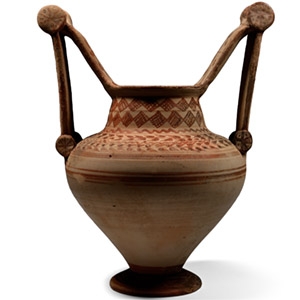
Messapian Painted Terracotta Trozella
6th century B.C.Sold for (Inc. bp): £5,460
With piriform body resting on a delineated foot, tubular neck with everted, inward sloping rim; two large handles projecting from the shoulder and descend towards the rim in a steep angle, rosette medallions embellishing the angles and base; chequerboard motif on the neck with bands of vegetal motifs on the shoulder, the handles with ivy leaves and linear decoration. 1.78 kg, 32.7 cm
From the estate of the prominent Swiss painter Max Gubler (1898-1973), acquired in 1936. with Galerie Rhéa, Zurich, Switzerland. This lot has been checked against the Interpol Database of stolen works of art and is accompanied by a search certificate number no.12646-236461. This lot has been cleared against the Art Loss Register database, and is accompanied by an illustrated lot declaration signed by the Head of the Antiquities Department, Dr Raffaele D'Amato. -
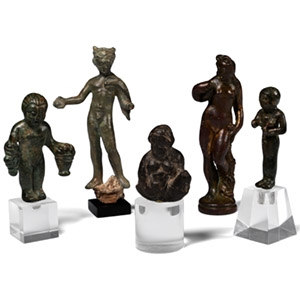
Greek and Roman Bronze Statue Collection
4th century B.C.-4th century A.D.Estimate: £4,000 - 6,000 (‡+bp*)
Opening Bid: £2,000
Comprising: an Etruscan figure of Turms (Greek Hermes), standing and holding a patera in his right hand, original lead mounting beneath; a standing figure of nude Aphrodite, possibly later; figure of a Baubo with her legs bent and right hand touching her genitals; two standing bronze figures holding offerings. 352 grams total, 63-96 mm
Hermes from the estate of a Swiss gentleman, Ticino, before 1970. Sardinian figure ex private collection of Prof. Dr Hans (1918-1984) and Dr Ines (1922-2013) Jucker, classical archaeologists, Bern, Switzerland. with Galerie Rhéa, Zurich, Switzerland. This lot has been checked against the Interpol Database of stolen works of art and is accompanied by a search certificate number no.12669-236450. This lot has been cleared against the Art Loss Register database, and is accompanied by an illustrated lot declaration signed by the Head of the Antiquities Department, Dr Raffaele D'Amato. -
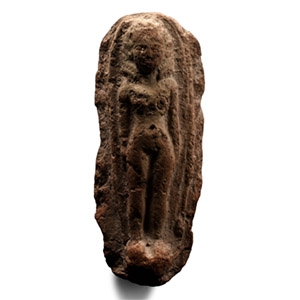
Greek Votive Terracotta Figure
6th-4th century B.C.Sold for (Inc. bp): £156
A votive plaque with a standing nude figure of Astarte in raised relief. 152 grams, 11.7 cm
Swiss private collection, before 1970. with Galerie Rhéa, Zurich, Switzerland. This lot is accompanied by an illustrated lot declaration signed by the Head of the Antiquities Department, Dr Raffaele D'Amato.
