
Loading, please wait...
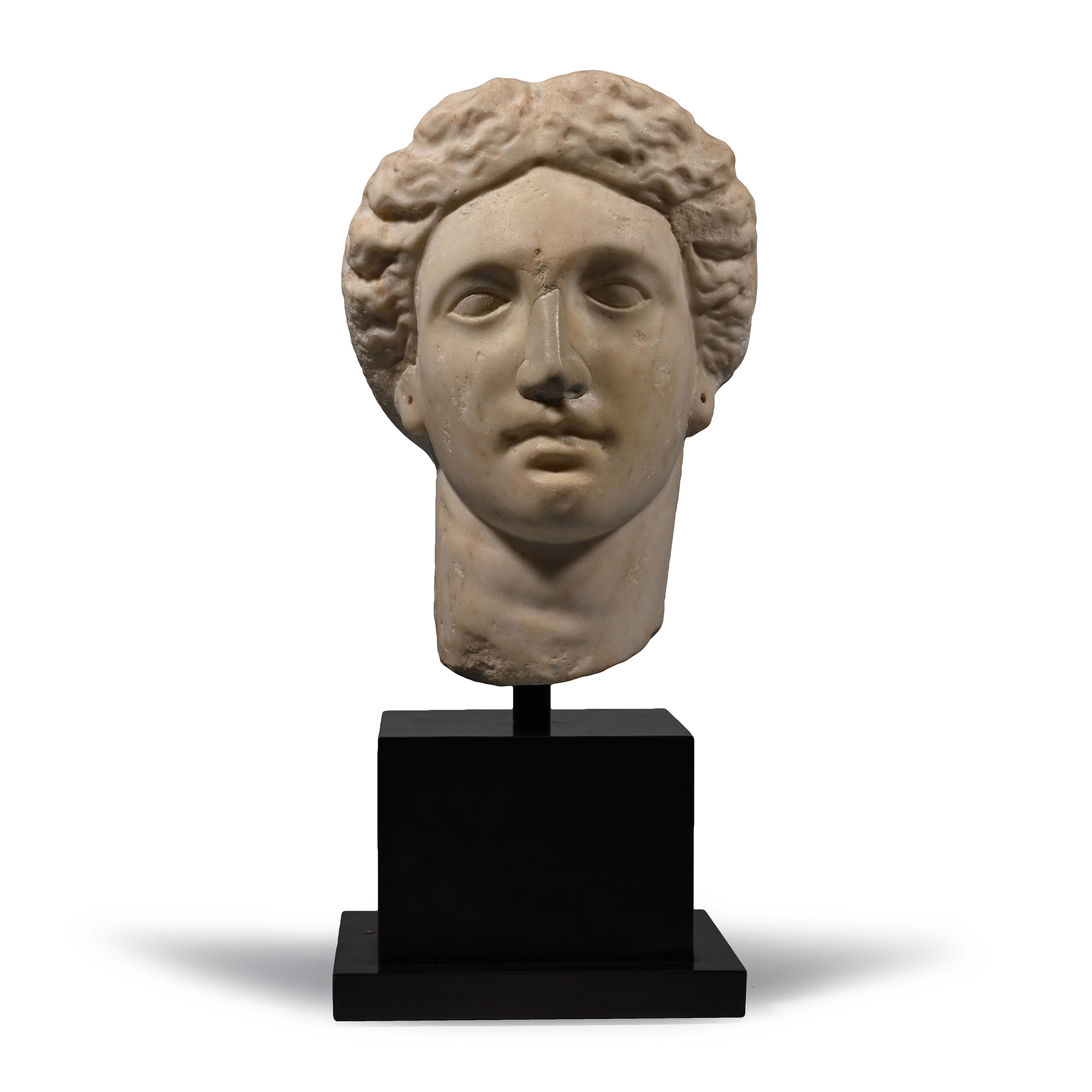
LOT 0090
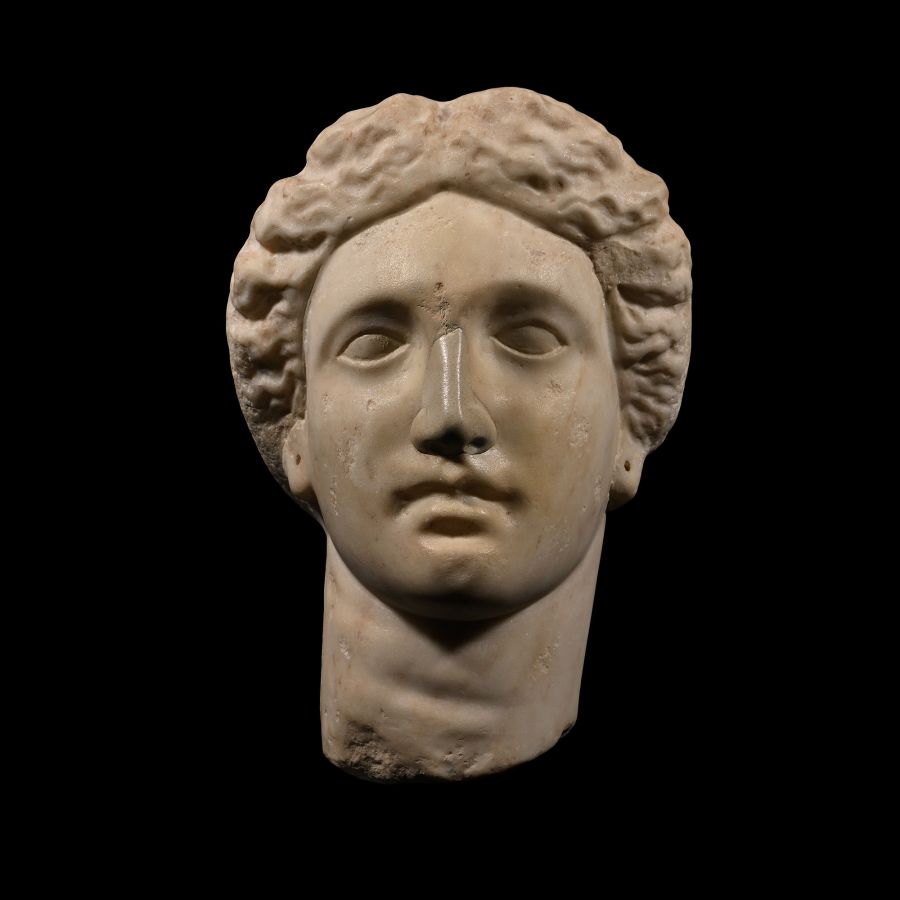
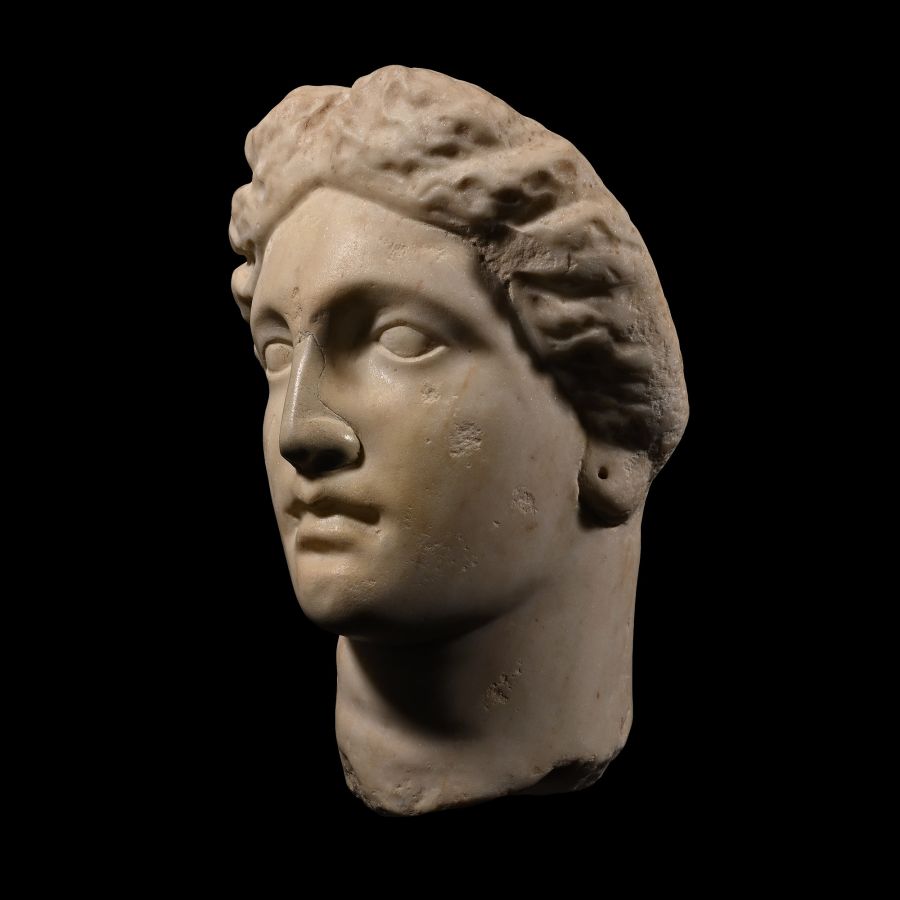
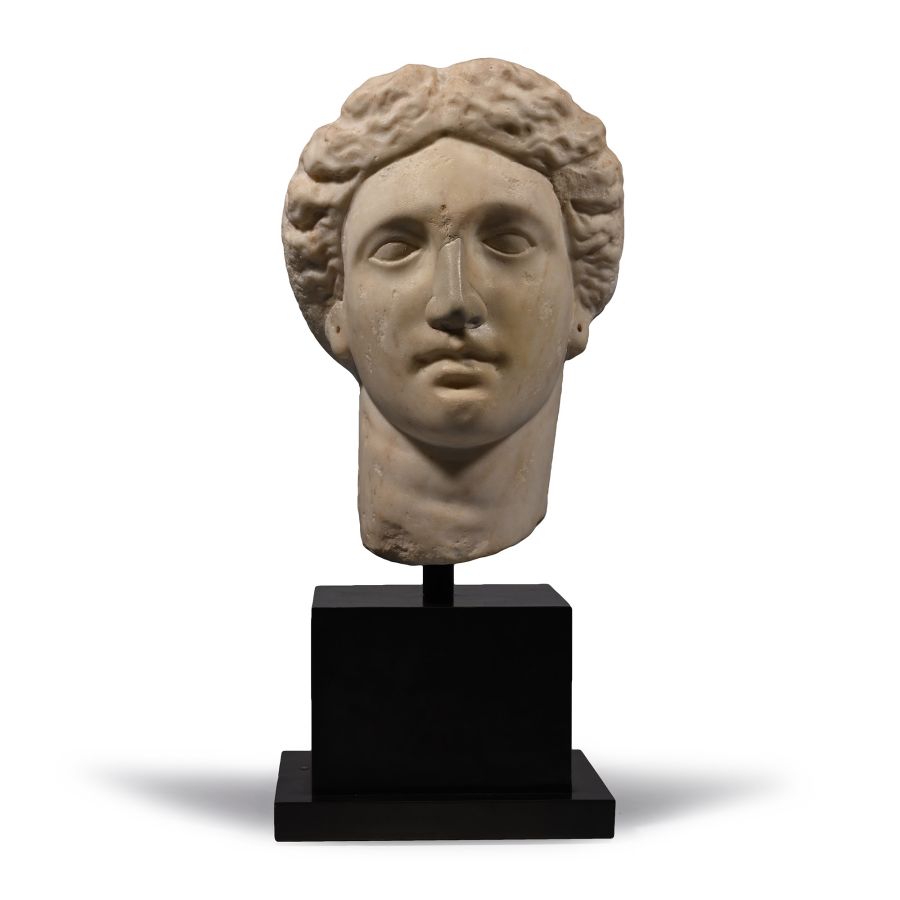
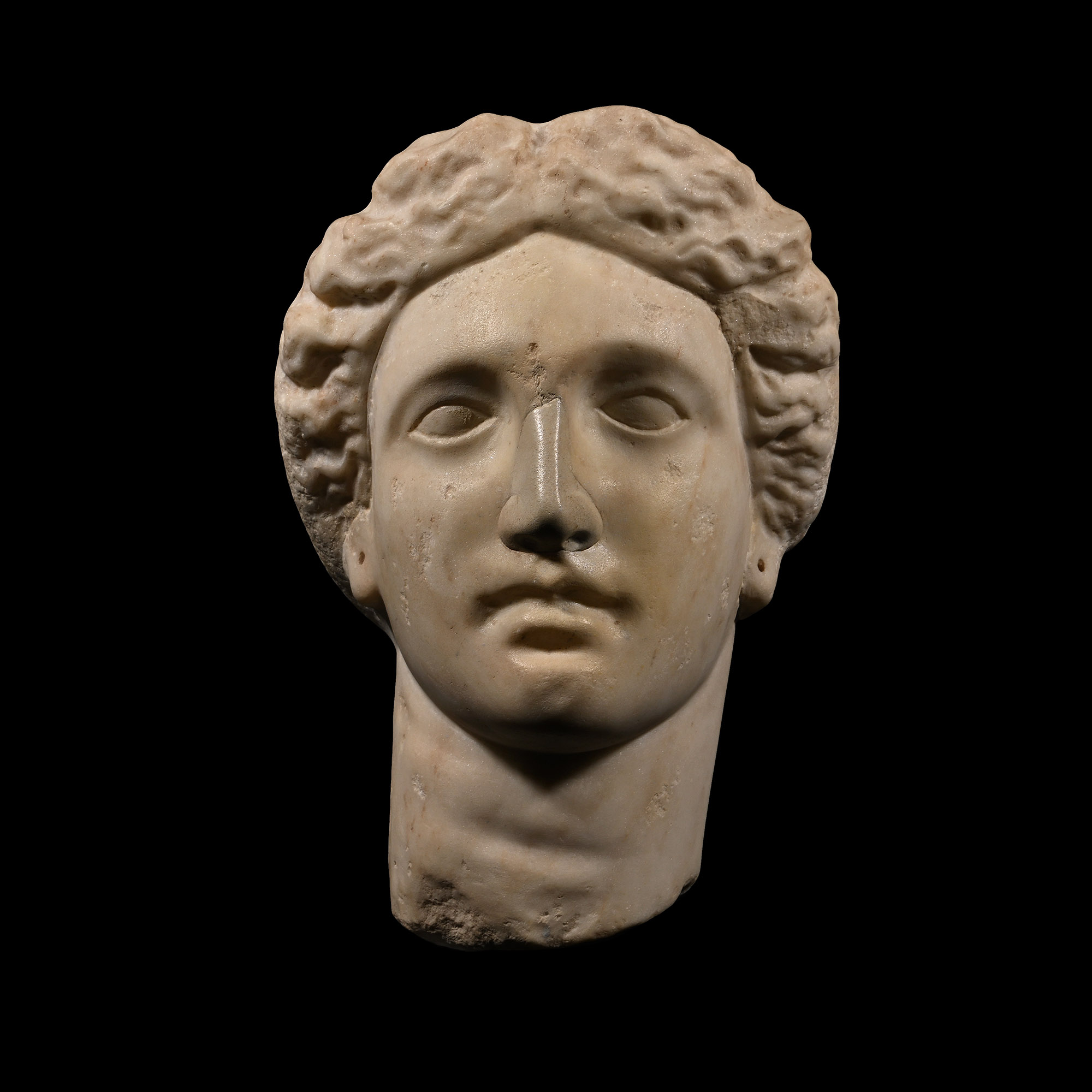
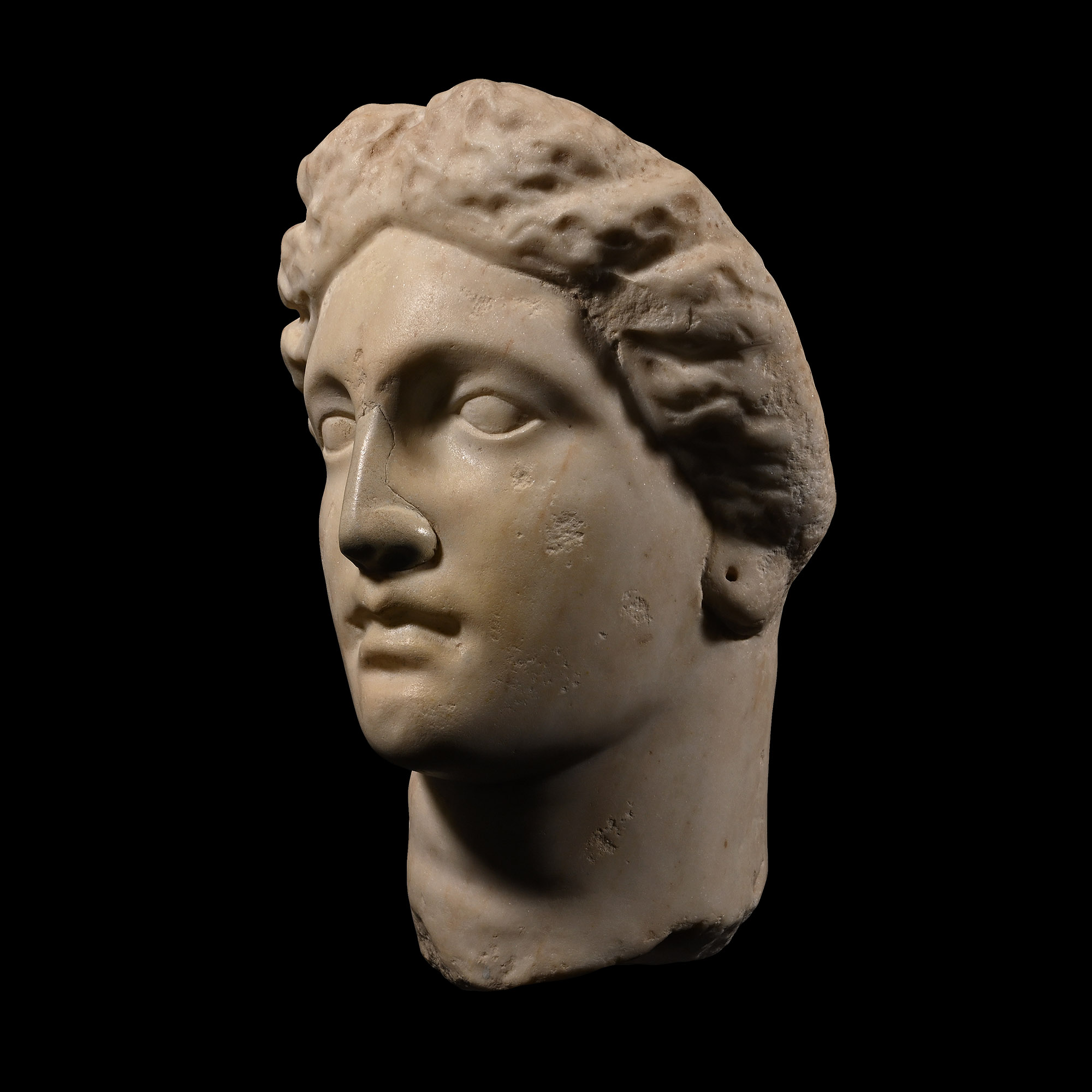
Hellenistic Marble Head of a Goddess
3RD CENTURY B.C.
20 1/4 in. (20.15 kg total, 51.5 cm including stand).
Carved in the round with flat angled panel to upper and rear of head; stern female features with deep-set eyes and small pursed lips; centre-parted hair dressed in a chignon; each earlobe drilled to accept an earring; some restoration; mounted on a custom-made stand.
Provenancewith Sakae Art Gallery, Japan.
Acquired by the present owner from the above June 1981.
This lot has been checked against the Interpol Database of stolen works of art and is accompanied by a search certificate number no.12658-235196.
This lot has been cleared against the Art Loss Register database, and is accompanied by an illustrated lot declaration signed by the Head of the Antiquities Department, Dr Raffaele D'Amato.
TimeLine Auctions follows a vetting process to ensure the authenticity and legality of all items, reinforcing our commitment to integrity and responsible trading. Each antiquity, antique, and coin lot undergoes thorough examination by a vetting committee of at least ten external specialists, professional trade association members, scientists, and archaeologists: Our Vetting Process
AUCTIONS:
TimeLine is a leading auction house specialising in antiquities, ancient art, collectables, natural history, coins, medals, and books. Our auctions offer museums, collectors, historians, and enthusiasts the opportunity to acquire unique and historically significant pieces.
-
.jpg)
Gnathian Plastic Vase in the Shape of a Woman
4th-3rd century B.C.Estimate: £8,000 - 10,000 (‡+bp*)
Opening Bid: £3,600
Hollow-formed with broad chamfered base, body modelled as the head of a woman supporting the neck in the form of a trefoil oinochoe with a high, curving handle to the rear; moulded head with detailed swept hair hair wrapped in a cloth (sakkos), and stern facial features; circumferential painted band beneath the rim and vertical strokes; supplied with a custom-made stand. 1.34 kg total, 31 cm high excluding stand
Acquired from Galerie Simone de Monbrison, Rue Bonaparte, Paris, France, 1980. Accompanied by a thermoluminescence analysis report no.N125e36 from Oxford Authentication. Accompanied by a copy of French passport no.150924, dated 19 December 2013. This lot has been checked against the Interpol Database of stolen works of art and is accompanied by a search certificate number no.12666-234641. This lot has been cleared against the Art Loss Register database, and is accompanied by an illustrated lot declaration signed by the Head of the Antiquities Department, Dr Raffaele D'Amato. -
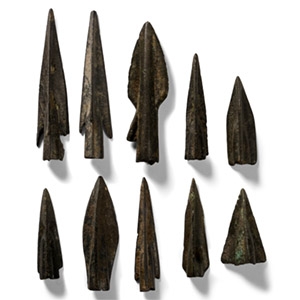
Greek Period High Quality Bronze Arrowhead Collection
5th-3rd century B.C.Sold for (Inc. bp): £72
Mostly triangular in section with leaf-shaped or barbed flanges. 21 grams total, 20-40 mm
From an English collection formed before 2000. This lot is accompanied by an illustrated lot declaration signed by the Head of the Antiquities Department, Dr Raffaele D'Amato. -
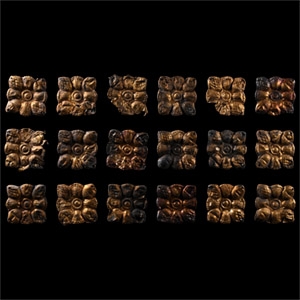
Greek Gold Applique Group
7th-5th century B.C.Estimate: £1,500 - 2,000 (‡+bp*)
Opening Bid: £750
Comprising eighteen repoussé plaques, each with a central boss and a flower bud to each side, the corners with alternating pinecones and acorns, pierced through the corners; mounted on a perspex backing. 91 grams total, 22 mm each
From the estate of Dr Jacob Hirsch. Acquired by Galerie Rhéa, Zurich, from the above in 1999. This lot has been cleared against the Art Loss Register database, and is accompanied by an illustrated lot declaration signed by the Head of the Antiquities Department, Dr Raffaele D'Amato.
