
Loading, please wait...
LOT 0620
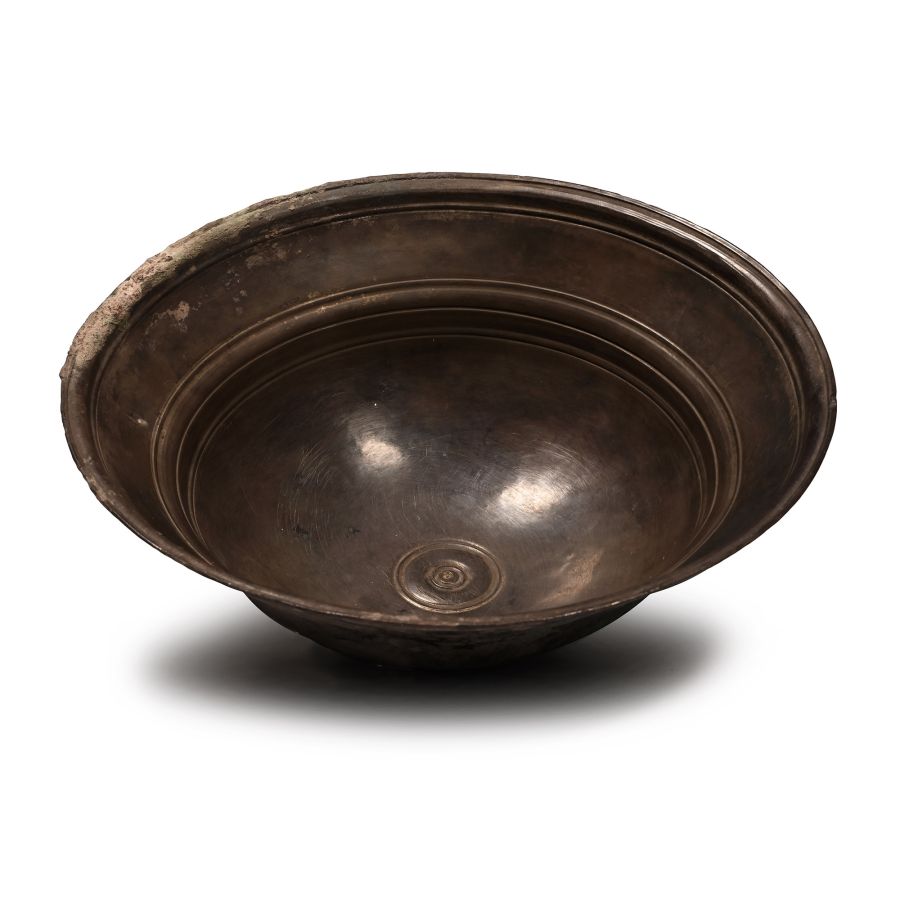
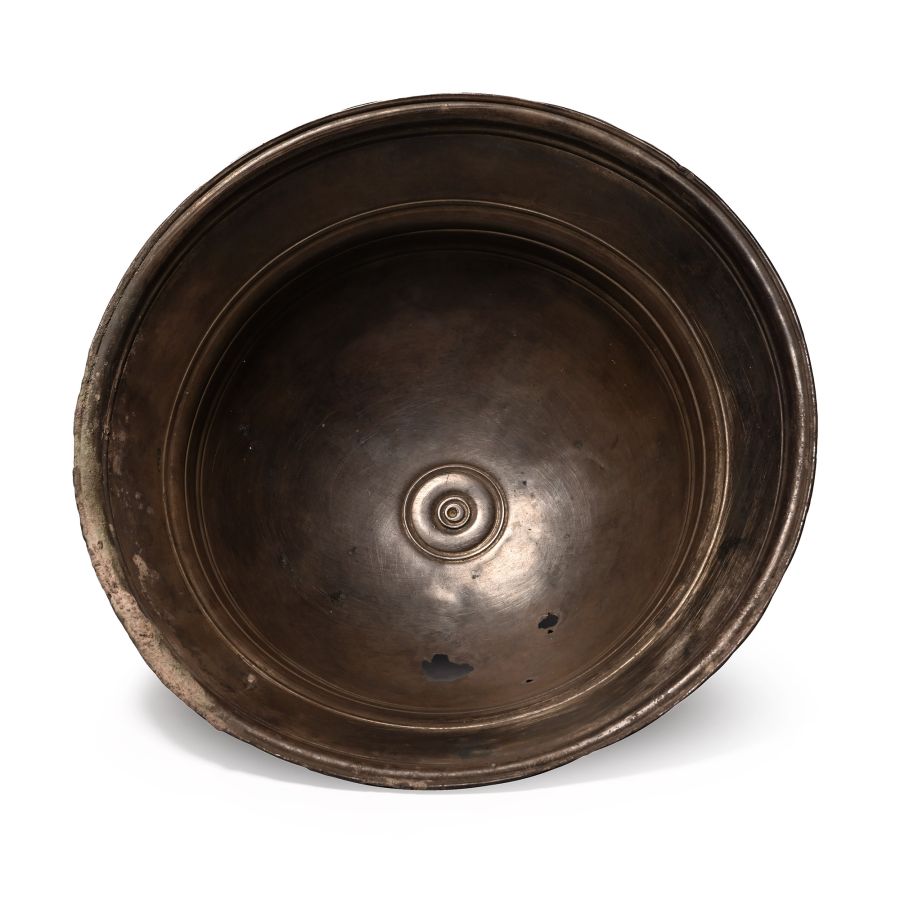
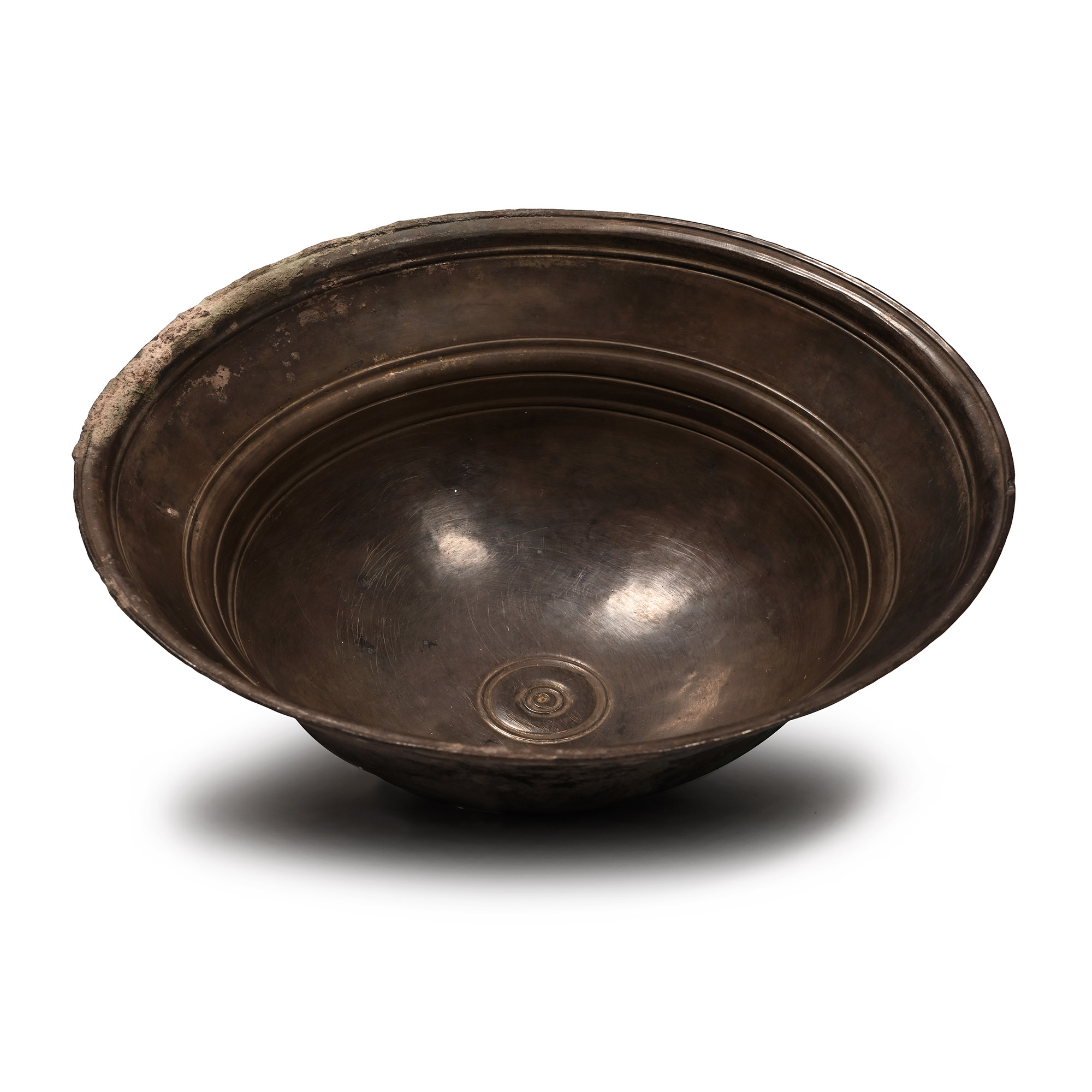
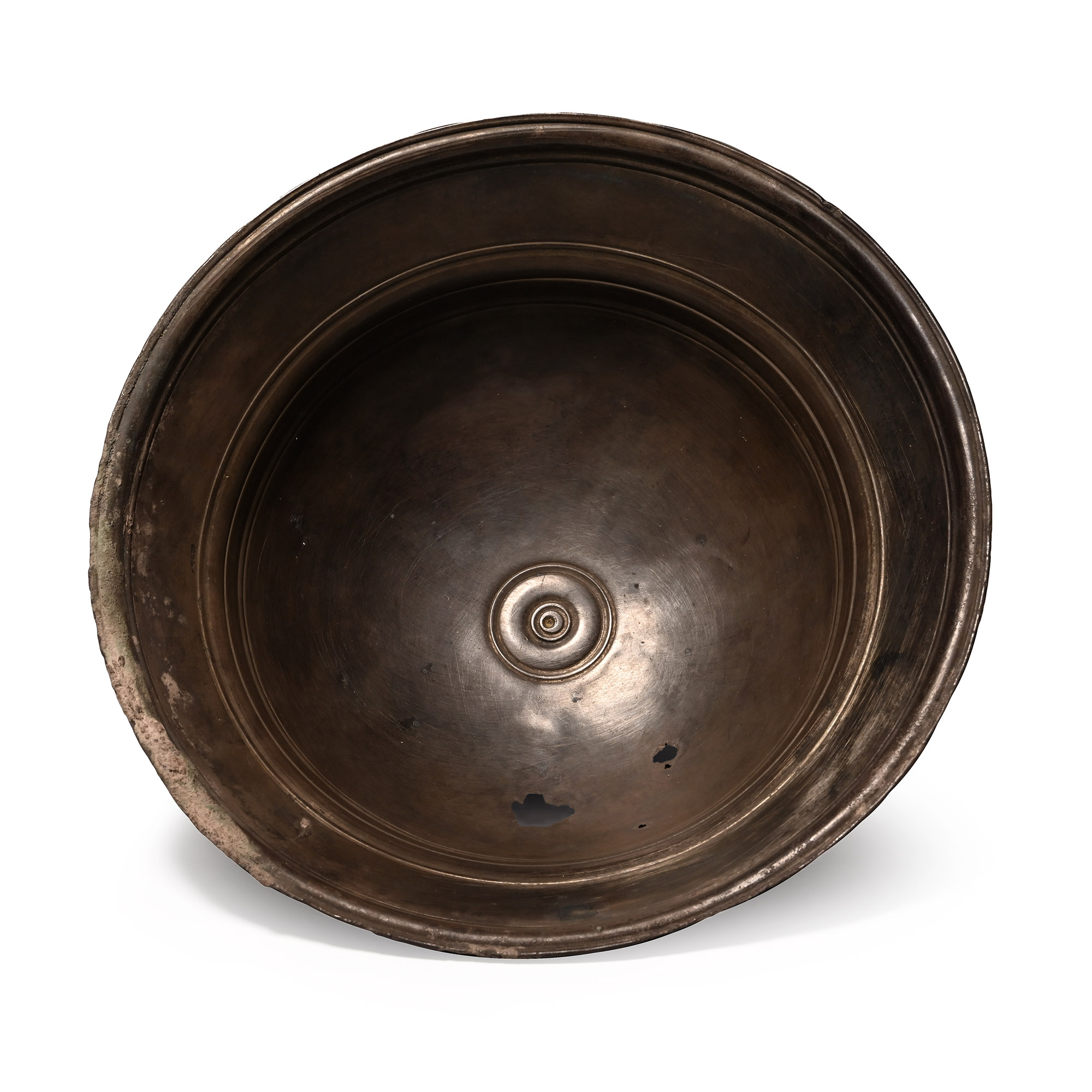
Hellenistic Decorated Silver Bowl
3RD CENTURY B.C.-1ST CENTURY A.D.
7 7/8 in. (437 grams, 20 cm wide).
With carinated profile, rolled rim, raised circumferential bands to the inner face and centre.
ProvenancePrivate Swiss collection, acquired 1999.
Ex Surena collection, London, UK.
Private European collection.
This lot has been checked against the Interpol Database of stolen works of art and is accompanied by search certificate no.11617-199030.
Cf. bowl of similar type in the British Museum, London, under accession number 134304.
CONDITIONTimeLine Auctions follows a vetting process to ensure the authenticity and legality of all items, reinforcing our commitment to integrity and responsible trading. Each antiquity, antique, and coin lot undergoes thorough examination by a vetting committee of at least ten external specialists, professional trade association members, scientists, and archaeologists: Our Vetting Process
AUCTIONS:
TimeLine is a leading auction house specialising in antiquities, ancient art, collectables, natural history, coins, medals, and books. Our auctions offer museums, collectors, historians, and enthusiasts the opportunity to acquire unique and historically significant pieces.
-
Greek Bronze Jar
Late 1st millennium B.C.Sold for (Inc. bp): £468
Bell-shaped in profile with stepped sidewall, carinated shoulder and flared rim; domed and tiered underside with basal disc. 263 grams, 11.6 cm wide
Ex property of a London, UK, gentleman, Mayfair gallery, 1990s. -
Hellenistic Decorated Silver Bowl
3rd century B.C.-1st century A.D.Sold for (Inc. bp): £2,340
With carinated profile, rolled rim, raised circumferential bands to the inner face and centre. 437 grams, 20 cm wide
cracked
Private Swiss collection, acquired 1999. Ex Surena collection, London, UK. Private European collection. This lot has been checked against the Interpol Database of stolen works of art and is accompanied by search certificate no.11617-199030. -
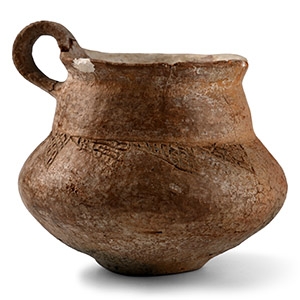
Greek Terracotta Juglet
5th century B.C.Sold for (Inc. bp): £91
Biconvex in profile with tapering shoulder, flared rim, loop handle; hatched triangles to the shoulder. 66 grams, 69 mm
From an old European collection formed mainly in the 1980s. From the property of a late Lincolnshire, UK, gentleman.
