
Loading, please wait...

LOT 1282
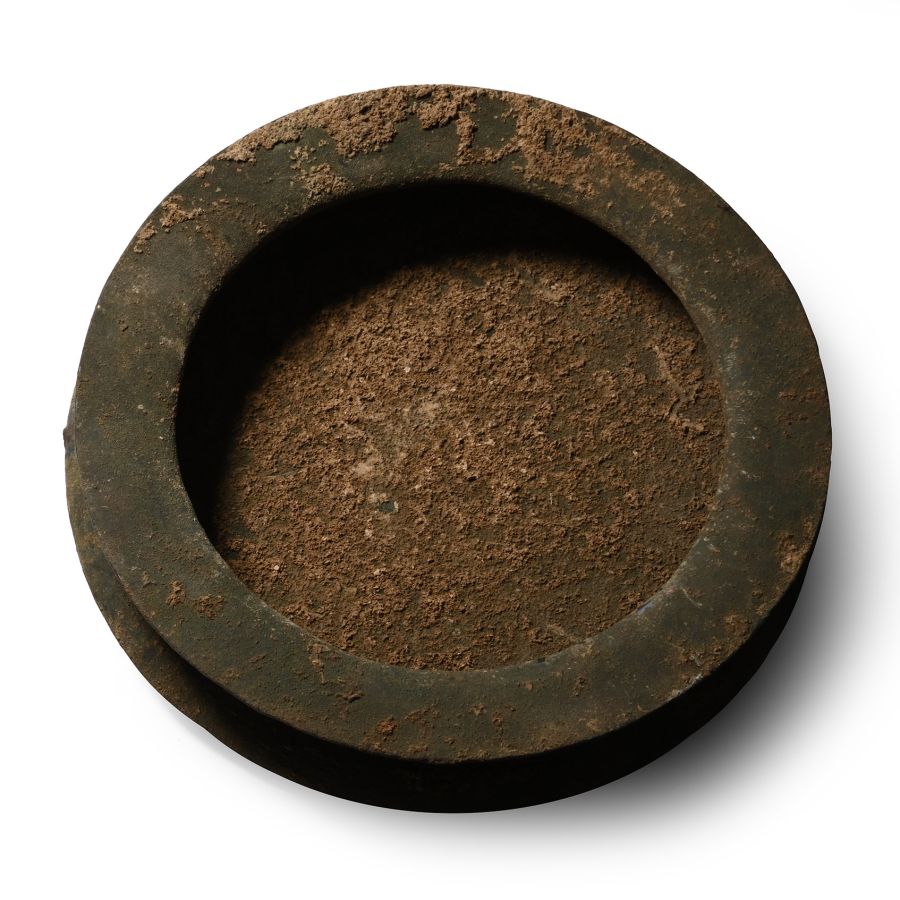
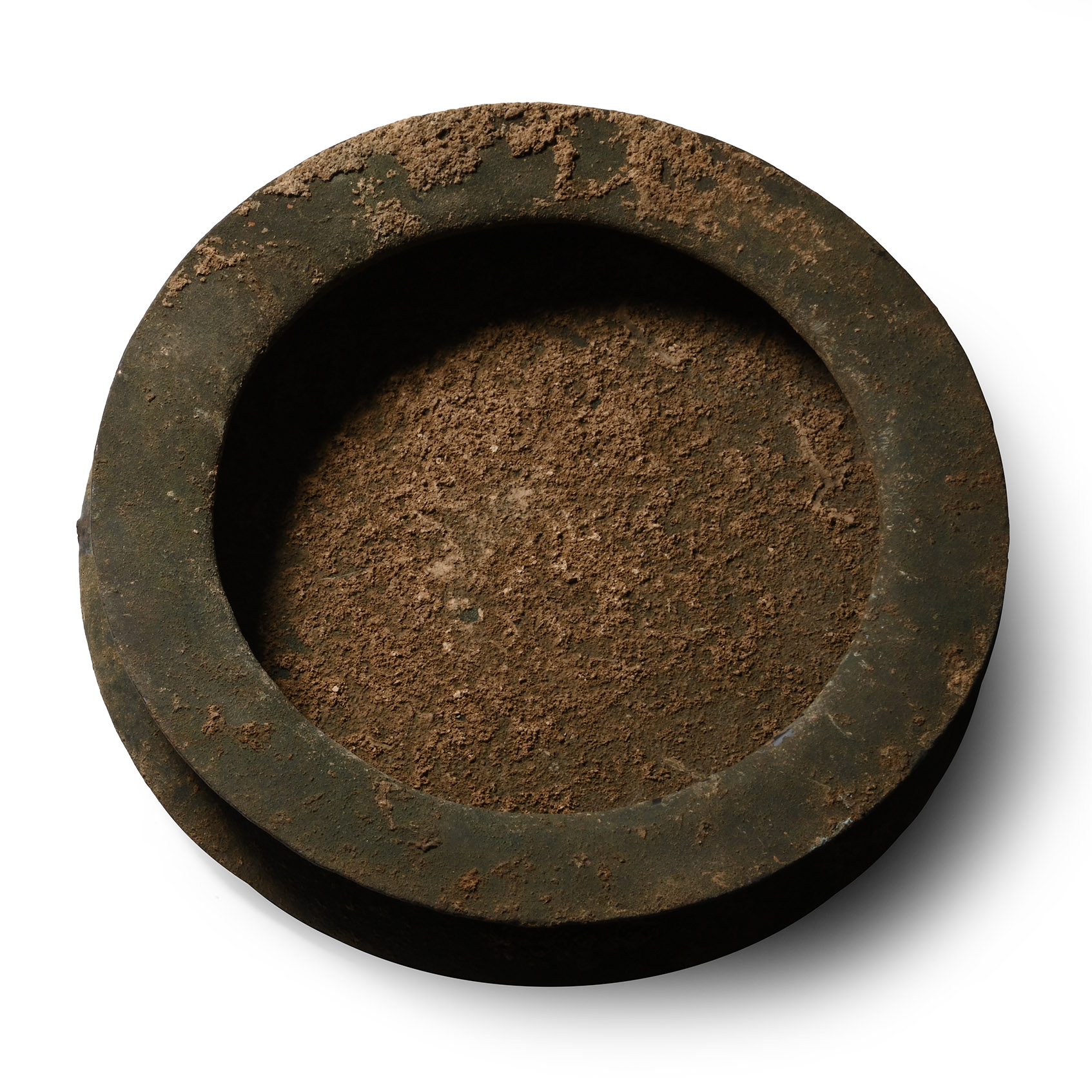
Heavy Luristan Bronze Dish
13TH-7TH CENTURY B.C.
7 3/4 in. (712 grams, 19.5 cm).
Comprising a shallow body with sharply sloping walls and wide, everted rim.
ProvenanceAcquired 1980-2015.
Ex Abelita family collection.
This lot has been cleared against the Art Loss Register database, and is accompanied by an illustrated lot declaration signed by the Head of the Antiquities Department, Dr Raffaele D'Amato.
TimeLine Auctions follows a vetting process to ensure the authenticity and legality of all items, reinforcing our commitment to integrity and responsible trading. Each antiquity, antique, and coin lot undergoes thorough examination by a vetting committee of at least ten external specialists, professional trade association members, scientists, and archaeologists: Our Vetting Process
AUCTIONS:
TimeLine is a leading auction house specialising in antiquities, ancient art, collectables, natural history, coins, medals, and books. Our auctions offer museums, collectors, historians, and enthusiasts the opportunity to acquire unique and historically significant pieces.
LOT 1282
Heavy Luristan Bronze Dish
Estimate £150 - 200€170 - 230 (for guidance only)$200 - 270 (for guidance only)
-
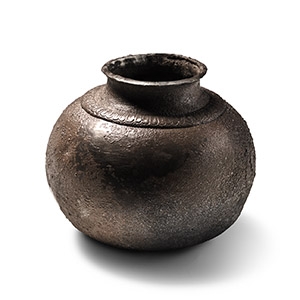
Achaemenid Silver Jar with Lotus Flower
Circa 500 B.C.Sold for (Inc. bp): £910
Squat in profile with basal disc, raised panel to the shoulder with lotus flower detailing, low neck and everted rim. 117 grams, 78 mm
London art market, 1980s-2000s. Private collection, London, UK. -
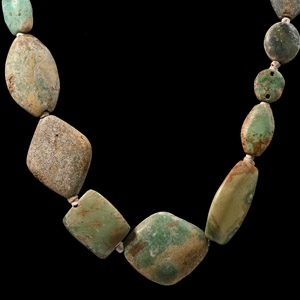
Western Asiatic Turquoise-Coloured Stone Bead Necklace
1st millennium B.C. and laterSold for (Inc. bp): £520
Restrung designer group of flat-diamond, lentoid-section tabular, and other types. 99 grams, 66 cm
From the collection of a late Japanese gentleman, 1970s onwards. -
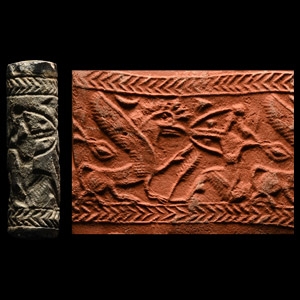
Neo-Assyrian Grey Stone Cylinder Seal with Kneeling God
Circa 900-800 B.C.Sold for (Inc. bp): £780
With a god shooting a sphinx; accompanied by a museum quality impression and a copy of an old scholarly note, typed and signed by W.G. Lambert, late Professor of Assyriology, University of Birmingham, 1970-1993, which states: 'Cylinder Seal of Grey Stone, 39 x 12. Top and bottom borders are filled with rows of chevrons going in opposite directions, and the design between a kneeling god shooting at a facing sphynx with a bird's head. As filling motifs there are: a small tree or plant, a lozenge, a triangle and a crescent. At each end the stone is stained by remains of original bronze caps, and the bronze bar which ran through the central hole is still present, though the rest of the metal, save for traces, has disappeared. This is a Neo-Assyrian cylinder, c. 900-800 B.C., from Assyria itself, or from neighbouring areas.' 8.7 grams, 39 mm
From the private collection of a North American lady, formed 1970s-early 1990s, with collection reference no.P16. Accompanied by a copy of a scholarly note, typed and signed by Professor Wilfrid George Lambert dated February 1992 and an old photograph.
