
Loading, please wait...
LOT 1832
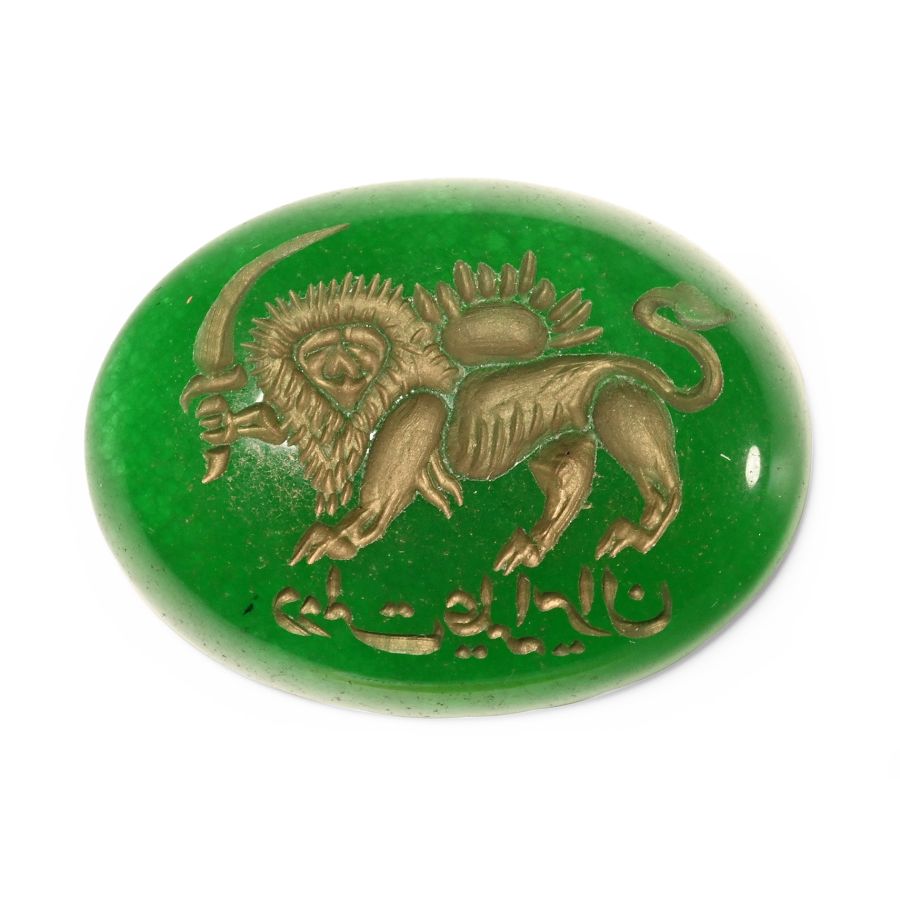
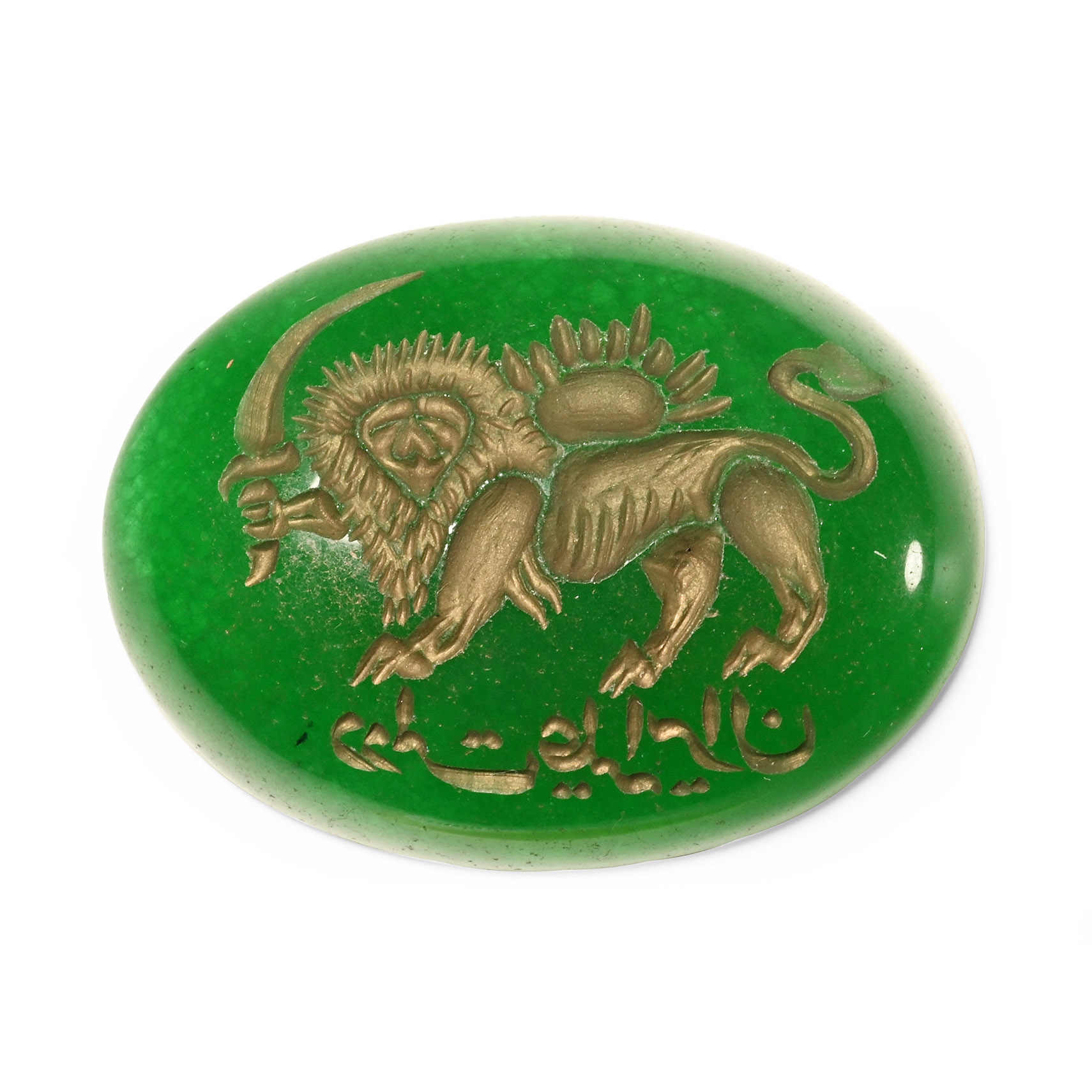
Green Stone Pendant with Lion and Sun
20TH CENTURY A.D.
1 1/2 in. (17.2 grams, 39 mm).
Plano-convex plaque with incuse solar lion with sword motif. [No Reserve]
Provenancewith a London, UK gallery 1971-early 2000s.
CONDITIONTimeLine Auctions follows a vetting process to ensure the authenticity and legality of all items, reinforcing our commitment to integrity and responsible trading. Each antiquity, antique, and coin lot undergoes thorough examination by a vetting committee of at least ten external specialists, professional trade association members, scientists, and archaeologists: Our Vetting Process
AUCTIONS:
TimeLine is a leading auction house specialising in antiquities, ancient art, collectables, natural history, coins, medals, and books. Our auctions offer museums, collectors, historians, and enthusiasts the opportunity to acquire unique and historically significant pieces.
-
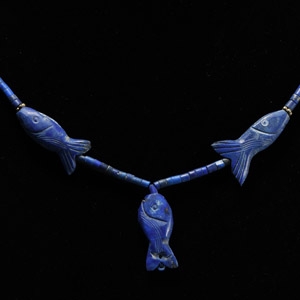
Bactrian Style Lapis Lazuli Bead Necklace
20th century A.D.Sold for (Inc. bp): £52
Restrung with fish-shaped tabular beads and seed beads. 13.6 grams, 37.5 cm
Acquired on the London, UK, art market in the 1990s. Ex London, UK, gallery. -
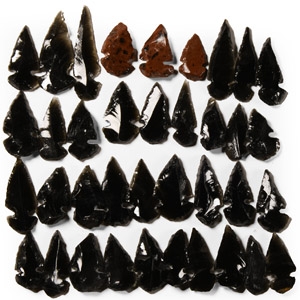
Reproduction North American Obsidian Arrowhead Group
20th century A.D.Sold for (Inc. bp): £7
Group of knapped barbed arrowheads. 67 grams total, 22-38 mm
From a Cambridgeshire, UK, collection, 1990s. -
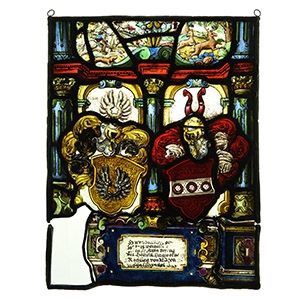
Renaissance Stained Glass Panel with Enamelled Armorial Motifs
Switzerland, circa 1600 A.D.Sold for (Inc. bp): £442
Rectangular glazed panel in lead frame, depicting two heraldic devices side-by-side against a background of flanking columns and hunting scenes; rectangular panel below with German text. 1.26 kg, 39.5 x 31 cm
UK auction, circa 1995. Ex central London gallery.
