
Loading, please wait...
LOT 0050
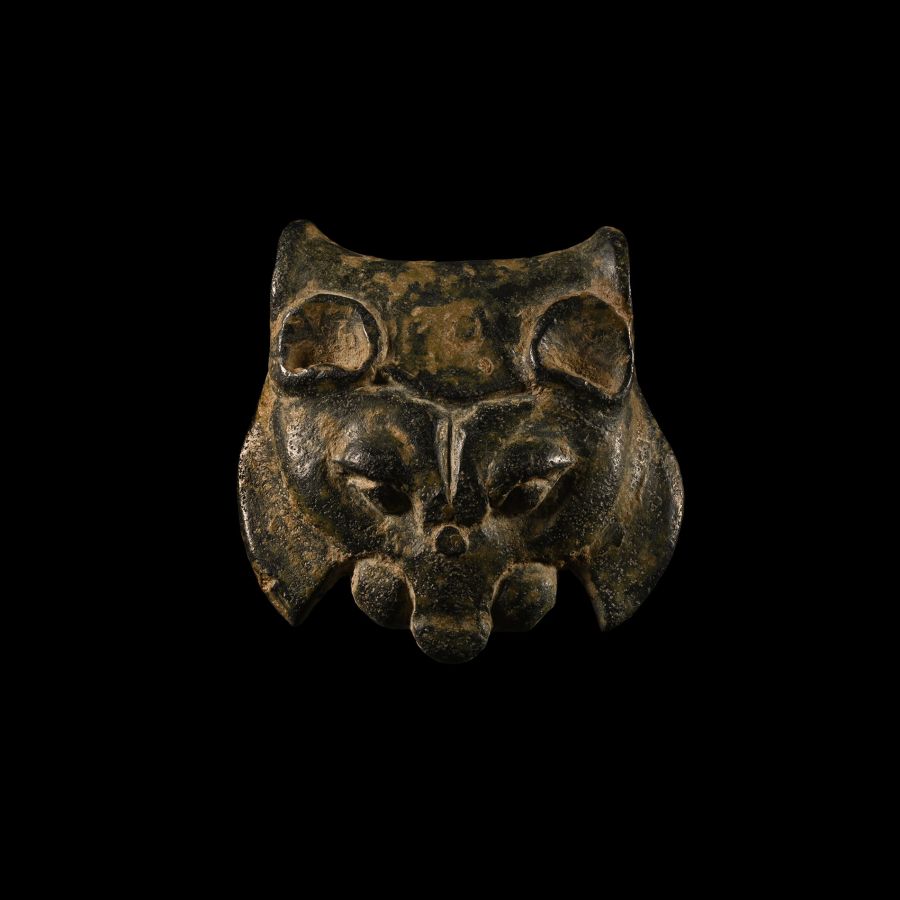
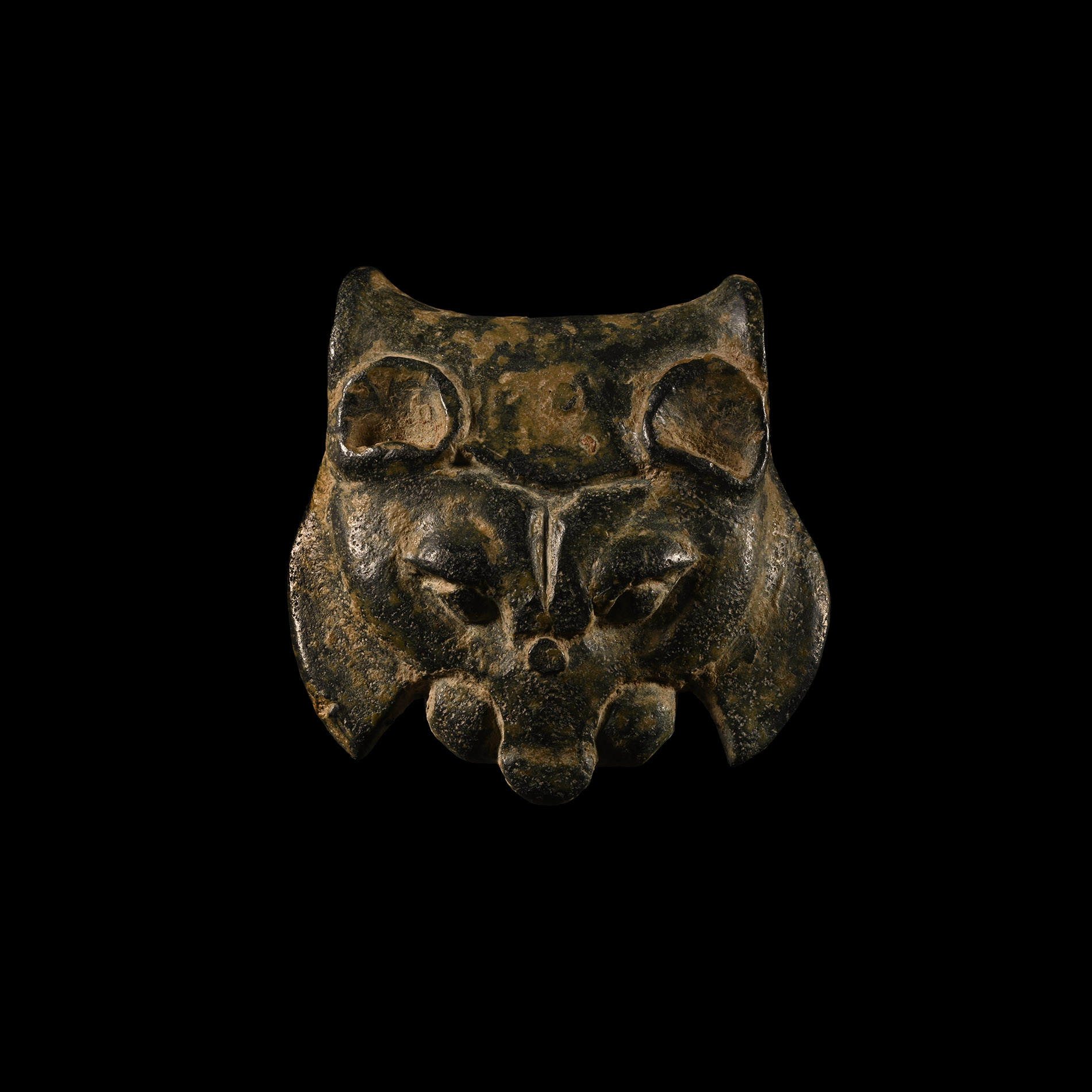
Greek Zoomorphic Bronze Hydria Handle Attachment
CIRCA 5TH-4TH CENTURY B.C.
2 in. (98 grams, 51 mm high).
Modelled as a skinned lion's head with fierce facial detailing; made for soldering to an articulated round handle.
ProvenancePrivate collection, Germany, 1980s.
Acquired on the UK art market 2010.
Cf. Furtwängler, A., Olympia. Die Ergebnisse der von dem Deutschen Reich veranstalteten Ausgrabung Band 4. 2 Bände (Textband, Tafelband), Asher, Berlin, 1890, pl.TL, no.839.
FootnotesThe handles were usually shaped as divinities or animals linked with gods (ie. lions for Herakles). A similar specimen can be seen in the Berlin Museum (inv.7491), from Athens.
CONDITIONTimeLine Auctions follows a vetting process to ensure the authenticity and legality of all items, reinforcing our commitment to integrity and responsible trading. Each antiquity, antique, and coin lot undergoes thorough examination by a vetting committee of at least ten external specialists, professional trade association members, scientists, and archaeologists: Our Vetting Process
AUCTIONS:
TimeLine is a leading auction house specialising in antiquities, ancient art, collectables, natural history, coins, medals, and books. Our auctions offer museums, collectors, historians, and enthusiasts the opportunity to acquire unique and historically significant pieces.
LOT 0050
Greek Zoomorphic Bronze Hydria Handle Attachment
Estimate £500 - 700€580 - 810 (for guidance only)$680 - 950 (for guidance only)
-
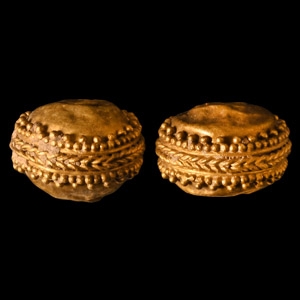
Hellenistic Gold Beads with Granular Decoration
2nd-1st century B.C.Sold for (Inc. bp): £364
Of squat spherical form adorned with filigree wire to the equator, granules above and below. 1.84 grams, 9 mm each
From the private collection of the late Mr S.M., London, UK, thence by descent. -
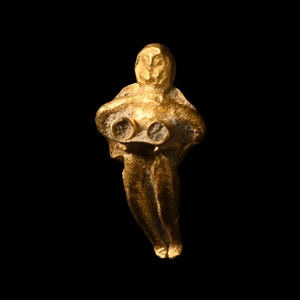
Greek Gold Eros Figure
3rd-1st century B.C.Estimate: £120 - 170 (+bp*)
Opening Bid: £60
Formed with a curved profile, the figure holding a tray or other object before him, his wings part-spread. 0.72 grams, 12 mm
Acquired 1970-2010. Collection of a late Japanese gentleman. -
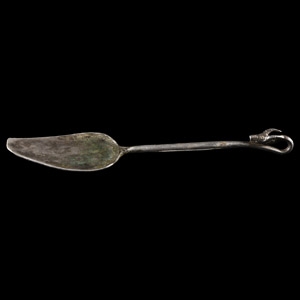
Graeco-Persian Silver Spoon
Circa 3rd century B.C.Sold for (Inc. bp): £338
The shallow 'bowl' or plaque with a squared tip, round-section shank and horned animal had finial with stylised detailing. 30.8 grams, 15 cm
UK collection, early 1990s and before. Acquired on the UK art market since the early 2000s. From a private collection, Lancashire, UK.
