
Loading, please wait...
LOT 0559
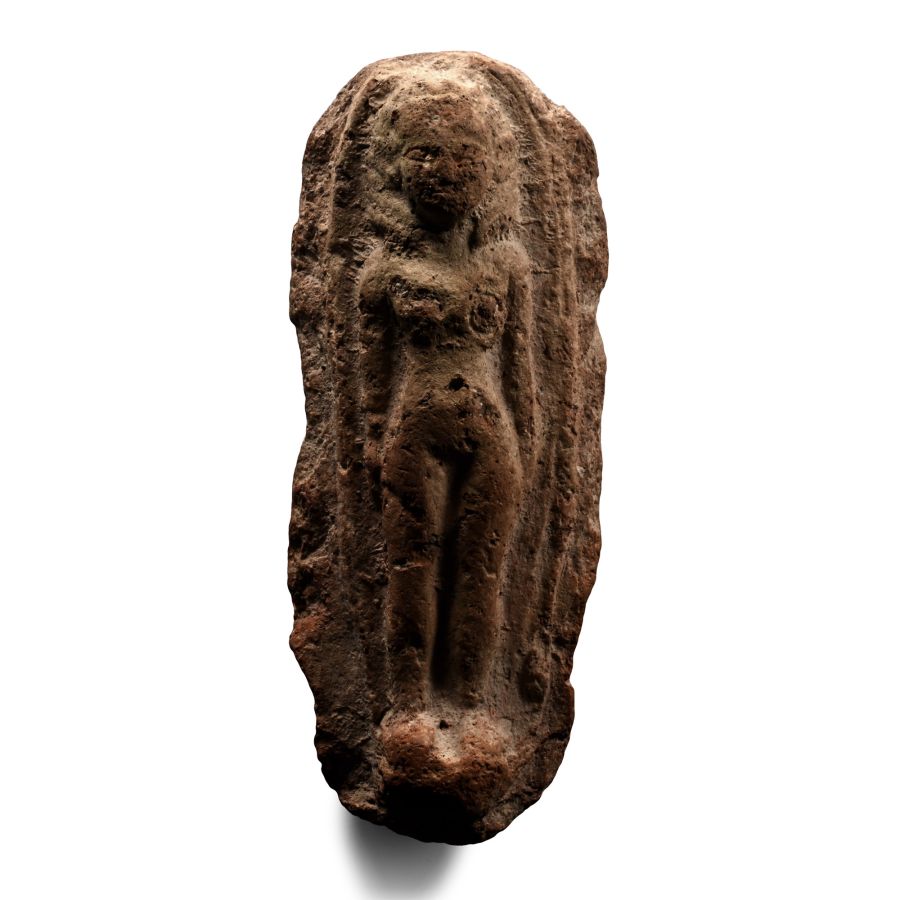
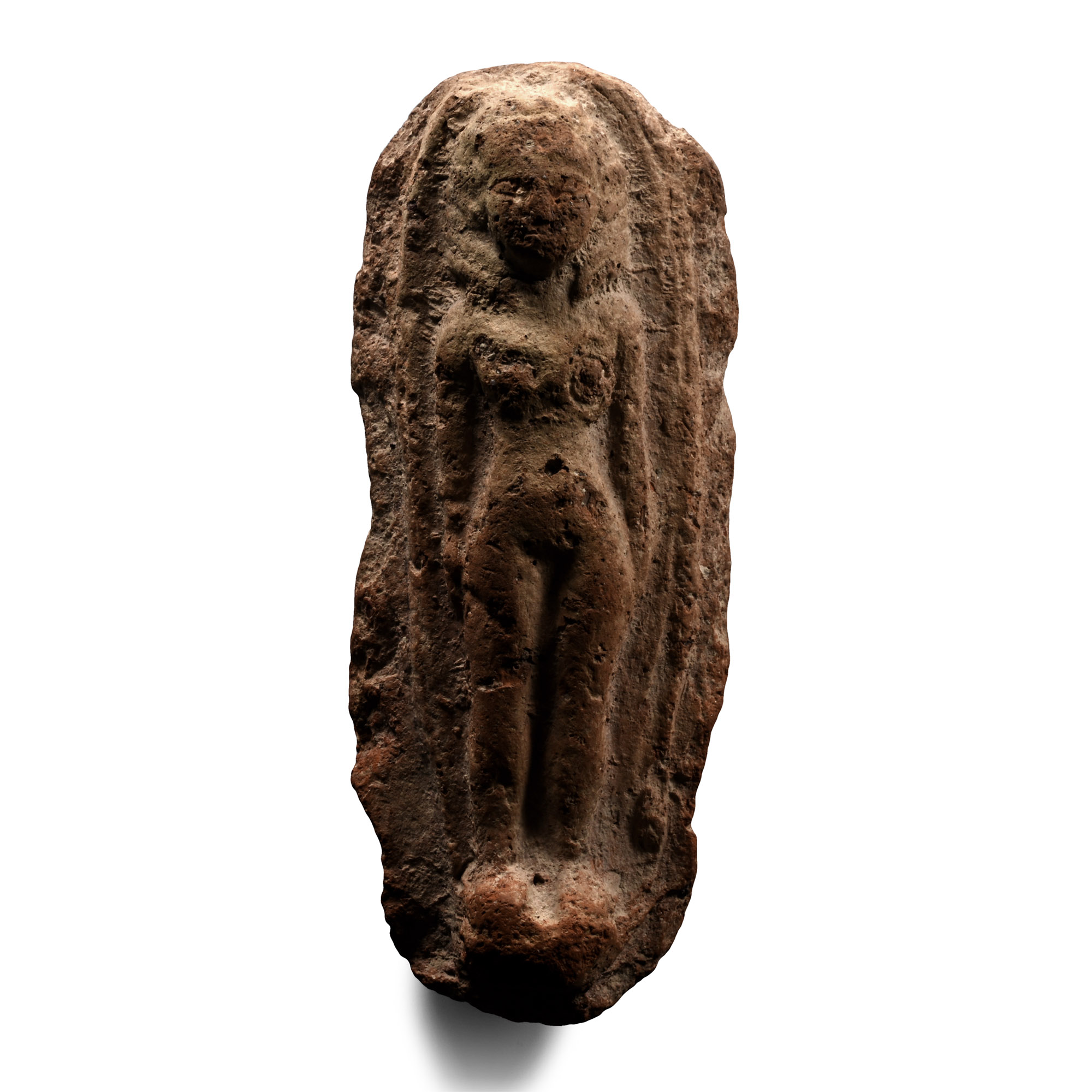
Greek Votive Terracotta Figure
6TH-4TH CENTURY B.C.
4 5/8 in. (152 grams, 11.7 cm).
A votive plaque with a standing nude figure of Astarte in raised relief.
ProvenanceSwiss private collection, before 1970.
with Galerie Rhéa, Zurich, Switzerland.
This lot is accompanied by an illustrated lot declaration signed by the Head of the Antiquities Department, Dr Raffaele D'Amato.
TimeLine Auctions follows a vetting process to ensure the authenticity and legality of all items, reinforcing our commitment to integrity and responsible trading. Each antiquity, antique, and coin lot undergoes thorough examination by a vetting committee of at least ten external specialists, professional trade association members, scientists, and archaeologists: Our Vetting Process
AUCTIONS:
TimeLine is a leading auction house specialising in antiquities, ancient art, collectables, natural history, coins, medals, and books. Our auctions offer museums, collectors, historians, and enthusiasts the opportunity to acquire unique and historically significant pieces.
-
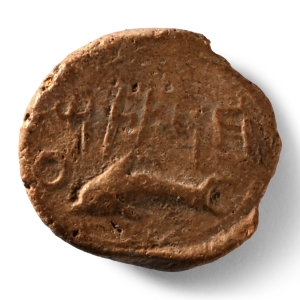
Phoenician Terracotta Bulla with a Dolphin
5th century B.C.Estimate: £200 - 300 (‡+bp*)
Opening Bid: £90
Plano-convex in profile with impressed dolphin and legend. 1.05 grams, 17.71 mm
Acquired in 1994. Private collection, Switzerland, thence by descent. Private collection, since the late 1990s. This lot is accompanied by an illustrated lot declaration signed by the Head of the Antiquities Department, Dr Raffaele D'Amato. -
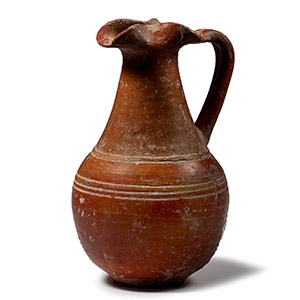
Phoenician Terracotta Jug with Handle
8th-7th century B.C.Estimate: £700 - 900 (‡+bp*)
Opening Bid: £350
Globular body decorated with circumferential banding, low foot, conical neck with pinched spout, strap handle to the rear. 395 grams, 18.5 cm
Acquired in the mid 1980s-1990s. Private collection, Switzerland, thence by descent. Private collection, since the late 1990s. This lot is accompanied by an illustrated lot declaration signed by the Head of the Antiquities Department, Dr Raffaele D'Amato. -
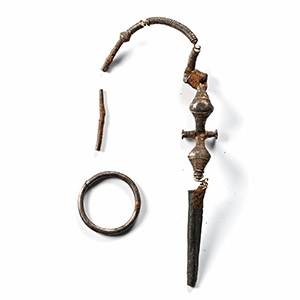
Greek Silver Wire Fibula
6th-4th century B.C.Estimate: £300 - 400 (‡+bp*)
Opening Bid: £135
With coiled spring and lateral lugs; tapering shank and separate ring. 9.11 grams total, 1.8-12.4 cm
Private collection, Switzerland, 1992. Thence by descent. Private collection, since the late 1990s. This lot is accompanied by an illustrated lot declaration signed by the Head of the Antiquities Department, Dr Raffaele D'Amato.
