
Loading, please wait...
LOT 0515
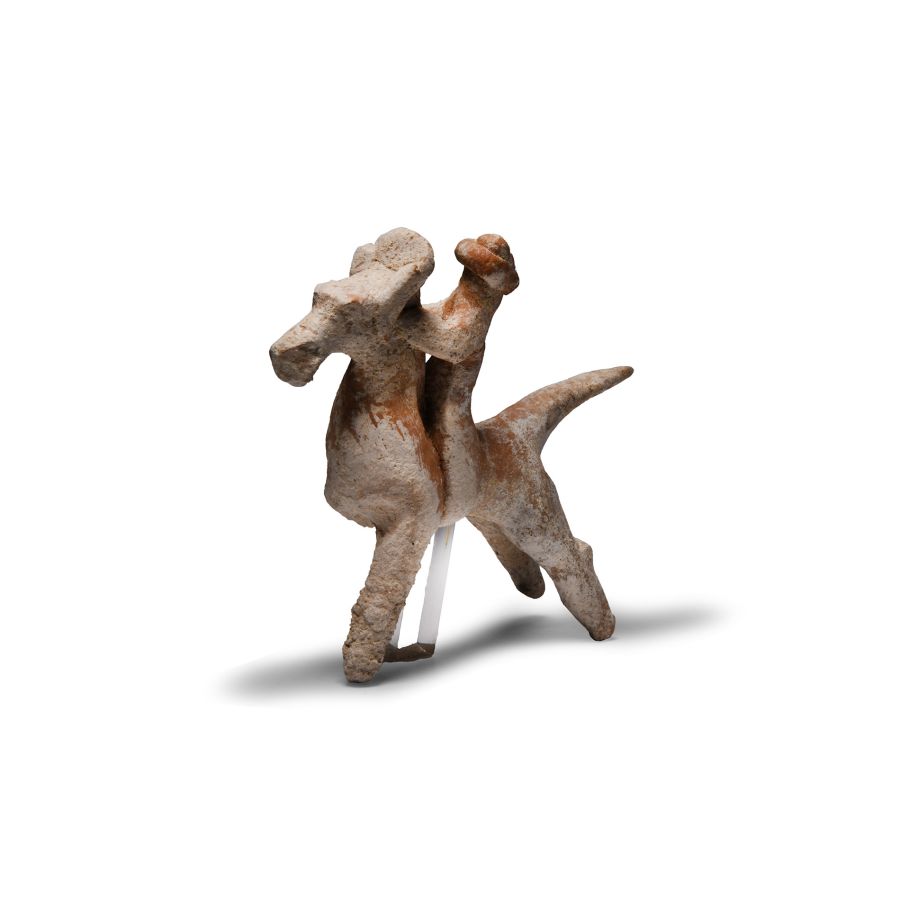
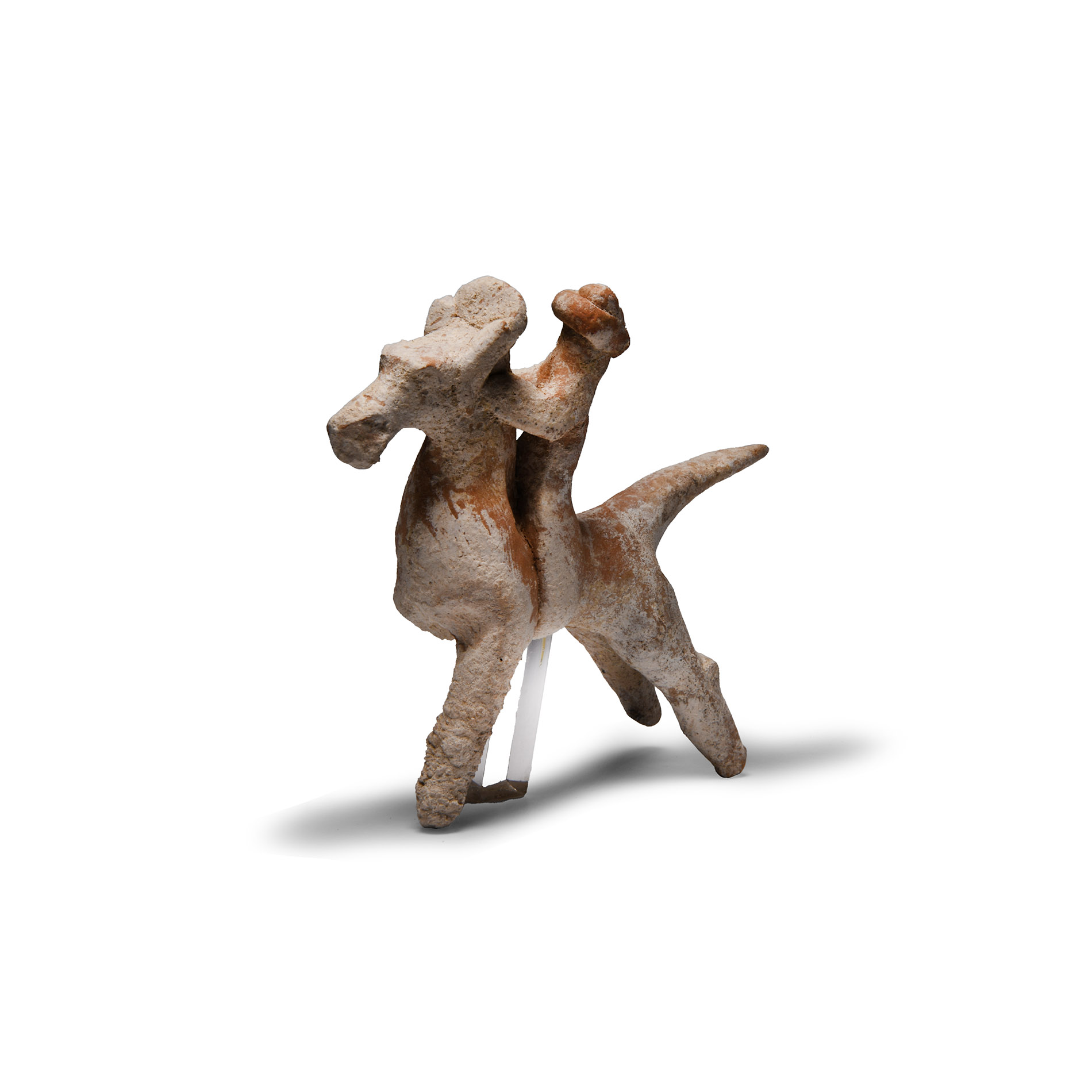
Greek Terracotta Votive Horse and Rider Figure
CIRCA 700 B.C.
3 1/2 in. (57 grams, 90 mm wide).
Modelled in the round, the horse and rider with headgear; one leg absent. [No Reserve]
ProvenanceEx private UK collection formed in the 1990s.
Property of an East Sussex, UK, teacher.
TimeLine Auctions follows a vetting process to ensure the authenticity and legality of all items, reinforcing our commitment to integrity and responsible trading. Each antiquity, antique, and coin lot undergoes thorough examination by a vetting committee of at least ten external specialists, professional trade association members, scientists, and archaeologists: Our Vetting Process
AUCTIONS:
TimeLine is a leading auction house specialising in antiquities, ancient art, collectables, natural history, coins, medals, and books. Our auctions offer museums, collectors, historians, and enthusiasts the opportunity to acquire unique and historically significant pieces.
-
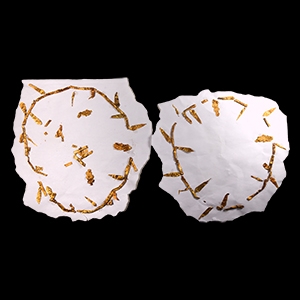
Greek Gold Diadem Leaf Group
3rd-2nd century B.C.Sold for (Inc. bp): £416
Comprising a variety of sheet-gold leaf types, including leaves still attached to the diadem frame. 31 grams total, 0.4-10.6 cm
Acquired 1960s-1990s. Late Alison Barker collection, a retired London barrister. -
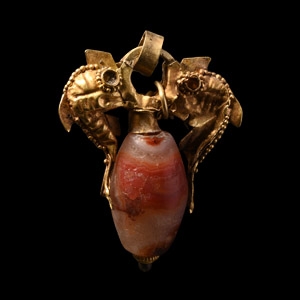
Large Greek Gold Dolphin Pendant
4th-2nd century B.C.Sold for (Inc. bp): £585
The leaping dolphins forming the handles of an amphora-shaped pendant with an agate body; free-running suspension loop; bifacial detailing to the animals. 5.81 grams, 36 mm
Acquired 1970-2010. Collection of a late Japanese gentleman. -
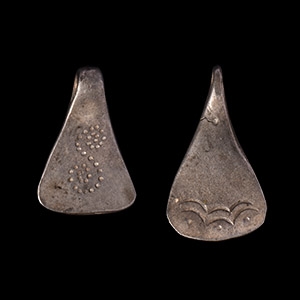
Thracian Silver Decorated Axehead Pendant Pair
5th-3rd century B.C.Sold for (Inc. bp): £143
Comprising: one with punched pellets and crescents above the edge on each face; the other with a pointillé scroll. 4.8 grams total, 20-23 mm
Acquired in the early 1970s. Ex property of a Surrey, UK, collector.
