
Loading, please wait...
LOT 0606
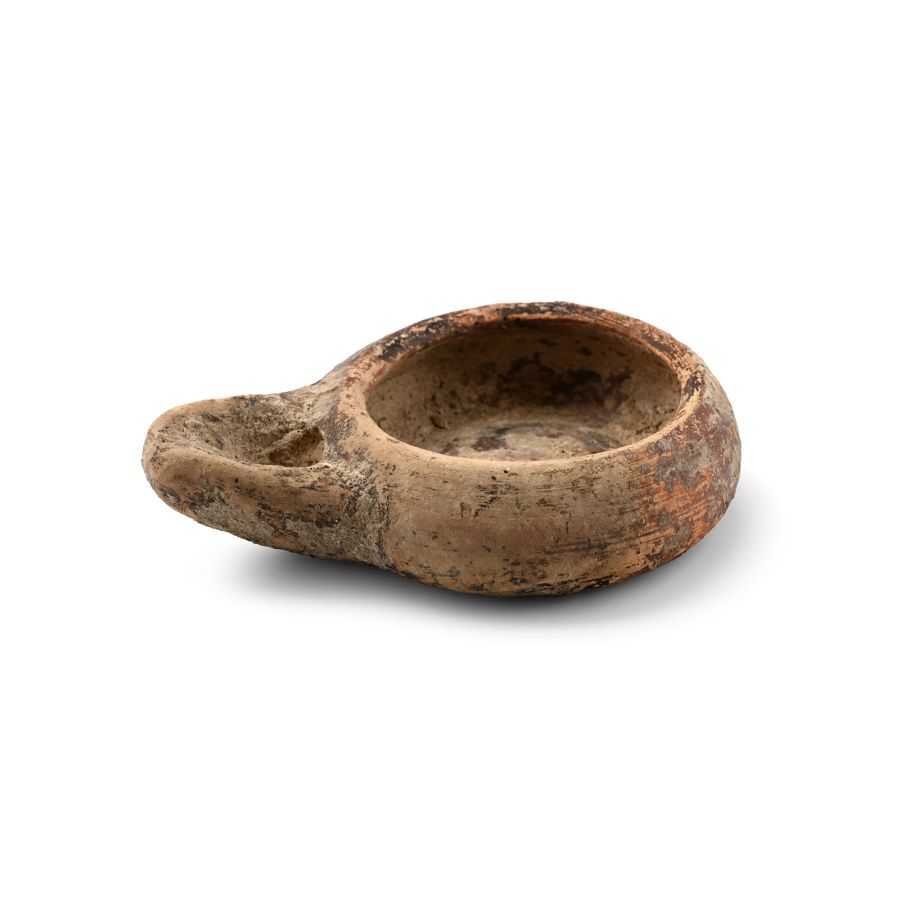
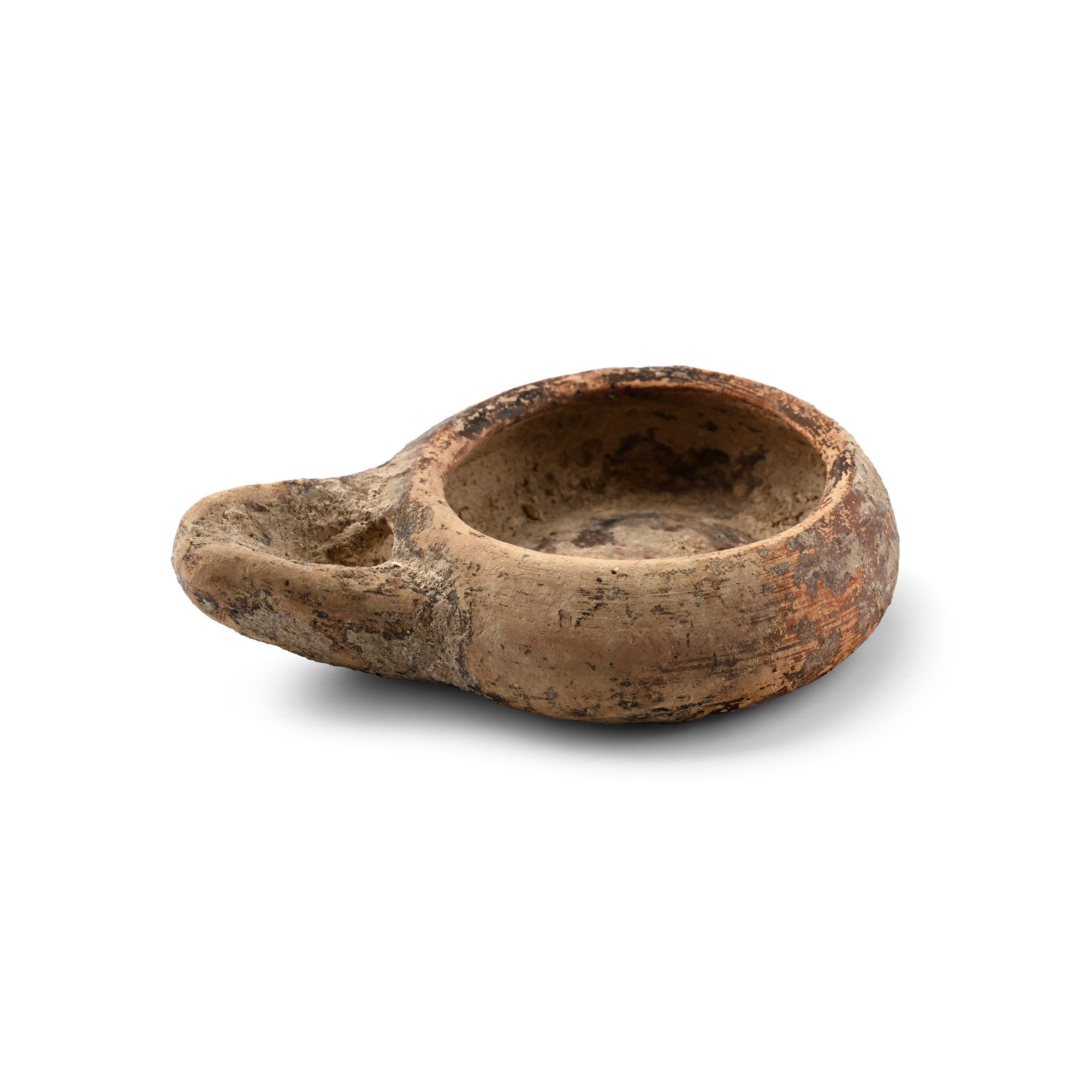
Greek Terracotta Oil Lamp
APULIAN, 4TH CENTURY B.C.
2 5/8 in. (24 grams, 67 mm).
Squat with a low sidewall, triangular U-section nozzle with a rear hole. [No Reserve]
ProvenanceEx private Birmingham, UK, archaeological collection.
From the property of a late Lincolnshire, UK, gentleman.
TimeLine Auctions follows a vetting process to ensure the authenticity and legality of all items, reinforcing our commitment to integrity and responsible trading. Each antiquity, antique, and coin lot undergoes thorough examination by a vetting committee of at least ten external specialists, professional trade association members, scientists, and archaeologists: Our Vetting Process
AUCTIONS:
TimeLine is a leading auction house specialising in antiquities, ancient art, collectables, natural history, coins, medals, and books. Our auctions offer museums, collectors, historians, and enthusiasts the opportunity to acquire unique and historically significant pieces.
-
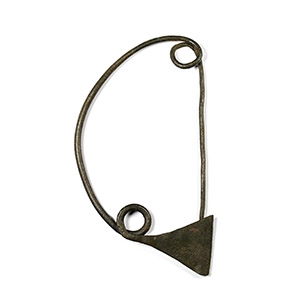
Large Greek Bronze Fibula
Iron Age, 8th-4th century B.C.Sold for (Inc. bp): £111
Single-piece fibula comprising a curved bow with integral coiled spring to one end developing to a sturdy pin; to the other end, a flared catchplate on a single-coil spring. 15.7 grams, 10 cm
Ex important German collection of brooches, 1980s. This lot is accompanied by an illustrated lot declaration signed by the Head of the Antiquities Department, Dr Raffaele D'Amato. -
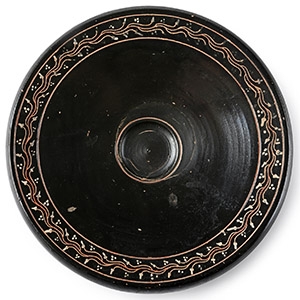
Large Hellenistic Teano-Ware Fish Plate
Early 3rd century B.C.Estimate: £1,500 - 2,000 (+bp*)
Opening Bid: £750
Broad face with incised rings outlining the painted border of running vinescroll in red and white; with a shallow central socket outlined in red, broad carinated rim and low foot. 834 grams, 26.5 cm
Acquired at Auction, London, UK, 1990s, no.233. Private collection, Suffolk, UK. Accompanied by a copy of the relevant catalogue page.
'Teano ware' is a type of ceramic produced in the late 4th century to the early 3rd century BC. Its modern name derives from Teanum Sidicinum, in northern Campania, the main centre of production. White and red pigment was used for the painted decoration on the black surface. It was probably used for votive or funerary purposes. -
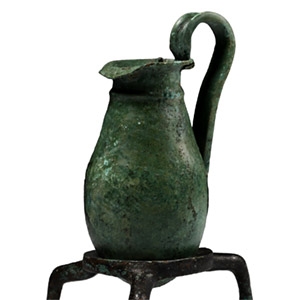
Greek Bronze Olpe
6th century B.C.Sold for (Inc. bp): £780
Pear-shaped body with rounded base, raised circumferential hoop at the neck and everted rim; applied high, ribbed handle with an engraved palmette at the base; accompanied by a stand. 145 grams, 12.5 cm (250 grams total, 15 cm including stand)
Private collection Dr L.M., Zurich, Switzerland. with Galerie Rhéa, Zurich, Switzerland.
