
Loading, please wait...
LOT 1411
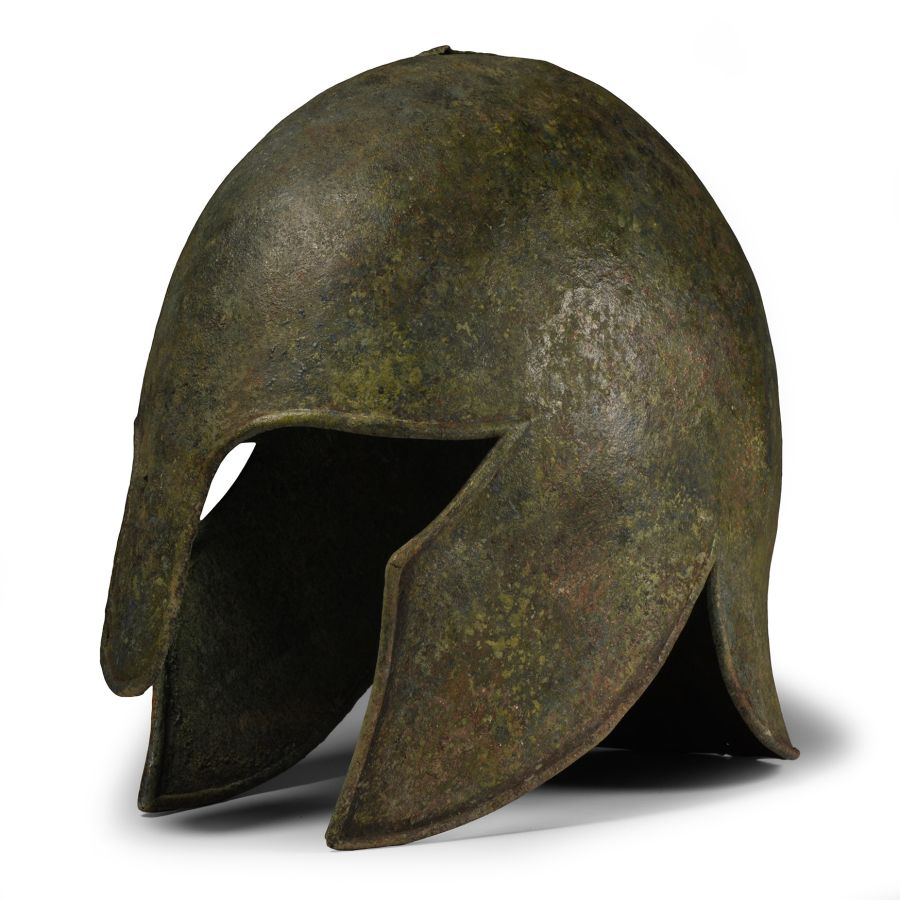
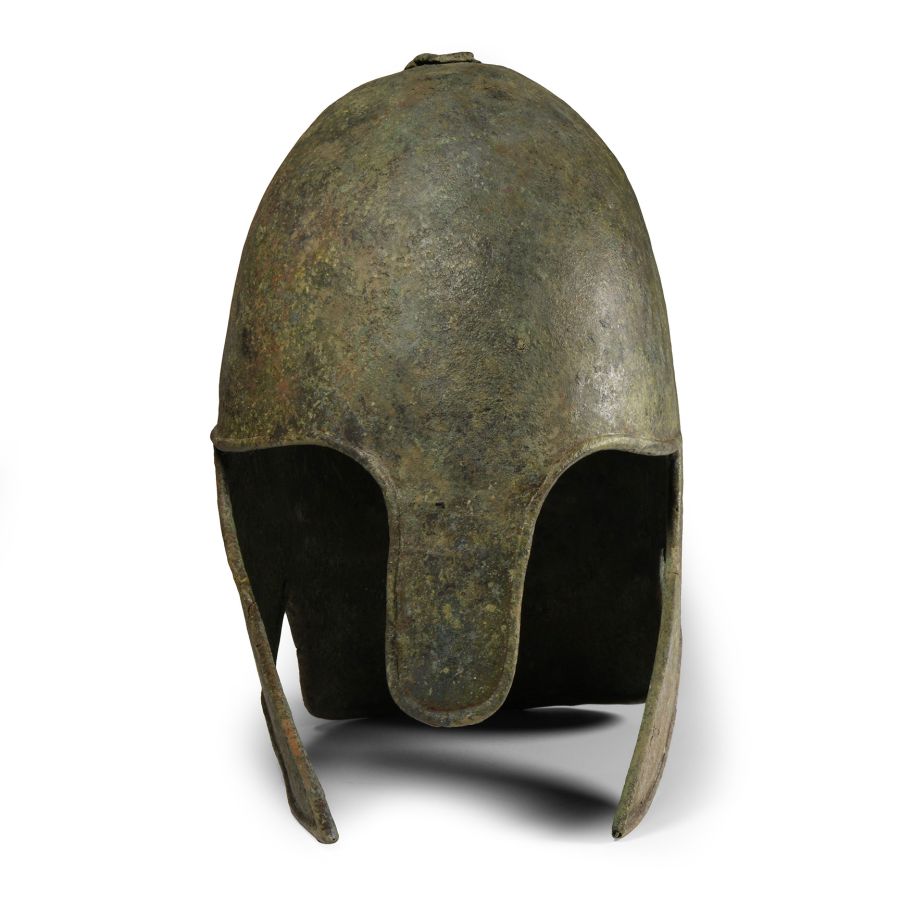
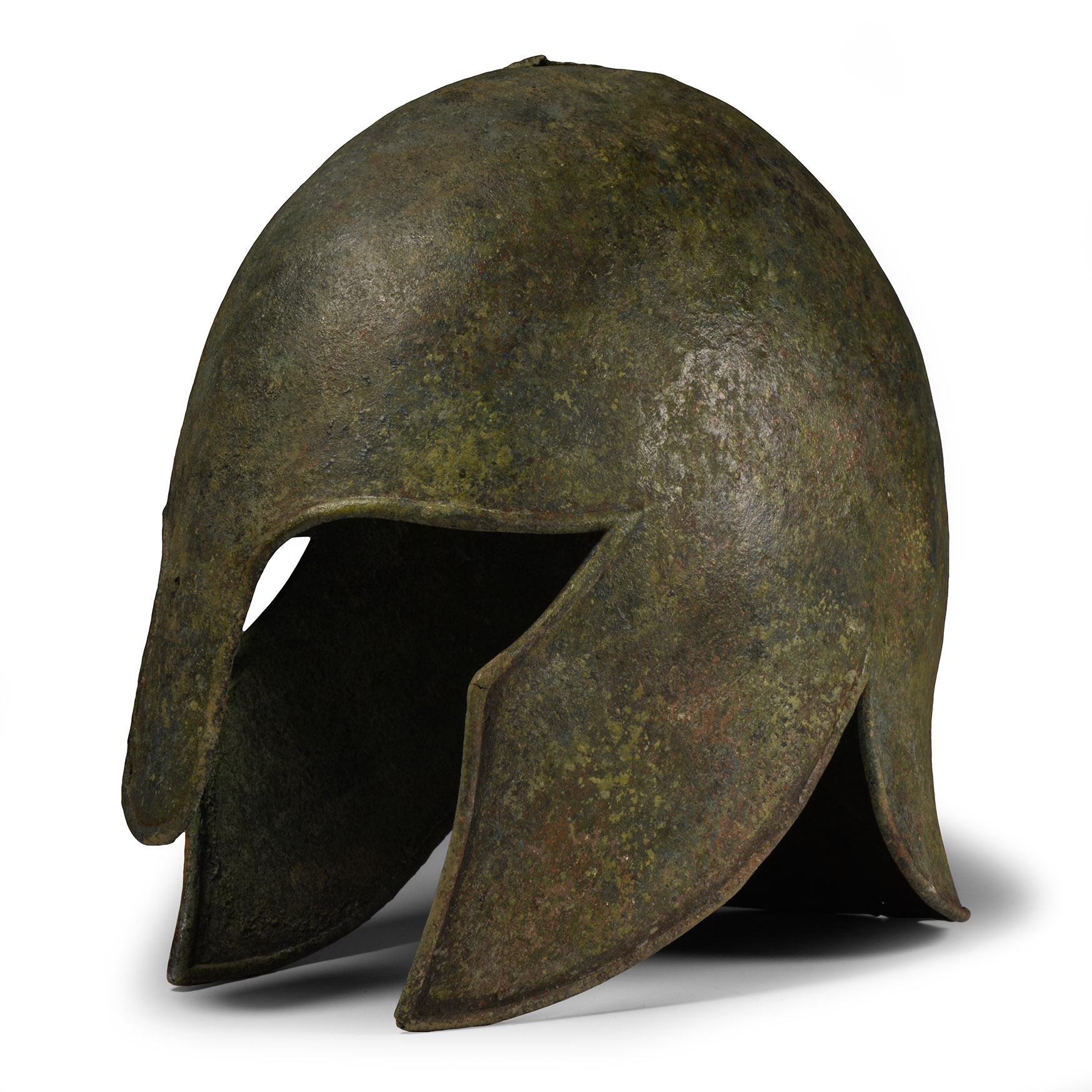
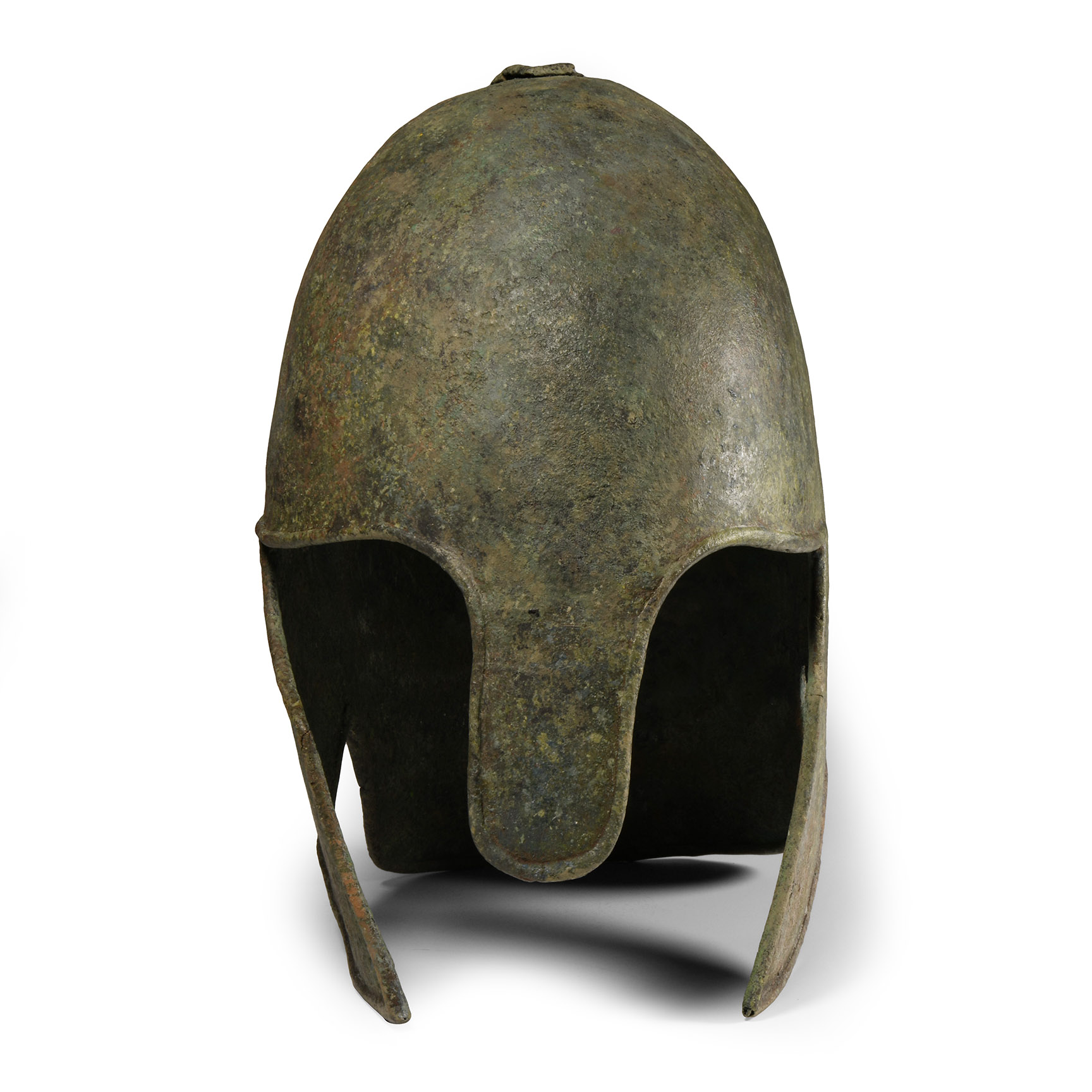
Greek Style Reproduction Helmet
20TH CENTURY A.D. OR EARLIER
9 5/8 in. (709 grams, 24.6 cm).
Modelled on the Corinthian form with broad nasal and fixed chek-protectors, rolled edges. [No Reserve]
ProvenancePrivate collection, UK.
CONDITIONTimeLine Auctions follows a vetting process to ensure the authenticity and legality of all items, reinforcing our commitment to integrity and responsible trading. Each antiquity, antique, and coin lot undergoes thorough examination by a vetting committee of at least ten external specialists, professional trade association members, scientists, and archaeologists: Our Vetting Process
AUCTIONS:
TimeLine is a leading auction house specialising in antiquities, ancient art, collectables, natural history, coins, medals, and books. Our auctions offer museums, collectors, historians, and enthusiasts the opportunity to acquire unique and historically significant pieces.
-
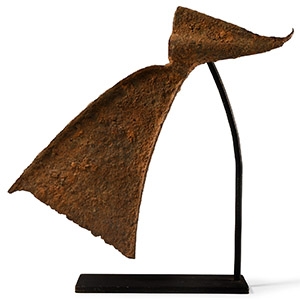
Western Asiatic Iron Axehead
Circa 14th-16th century A.D.Sold for (Inc. bp): £26
With swept blade and triangular socket with extension to the rear; accompanied by a custom-made display stand. 659 grams total including stand, axehead: 24.5 cm
Acquired 1980-2015. Ex Abelita family collection. -
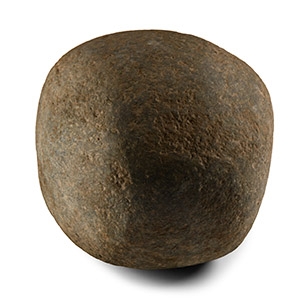
Stone Ballista Catapult Shot
Roman, 1st-3rd century A.D. or laterSold for (Inc. bp): £26
Roughly spherical stone cobble with impact scar. 973 grams, 81 mm
From a collection acquired on the UK art market from various auction houses and collections mostly before 2000. From an important Cambridgeshire estate; thence by descent.
The operation of the onager (Latin for 'wild ass') is first mentioned in 353 A.D. by Ammianus Marcellinus in his Res Gestae and more fully in Vegetius's Epitoma Rei Militaris probably written in the reign of Emperor Theodosius I (378-395 A.D.). -
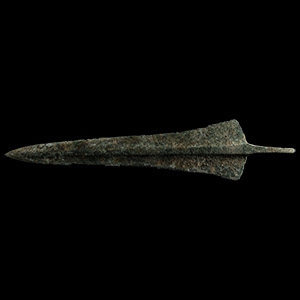
Western Asiatic Bronze Tanged Spearhead
Circa 13th-6th century B.C.Estimate: £100 - 140 (+bp*)
Opening Bid: £50
With leaf-shaped blade and rounded tip, pronounced medial rib and shoulder flanges, short flat-section tang. 255 grams, 31 cm
Acquired 1980-2015. Ex Abelita family collection.
The spearhead belongs to type 2 of spearheads according to the classification of Khorasani. A similar specimen was excavated by Negahban in Marlik.
