
Loading, please wait...
LOT 0531
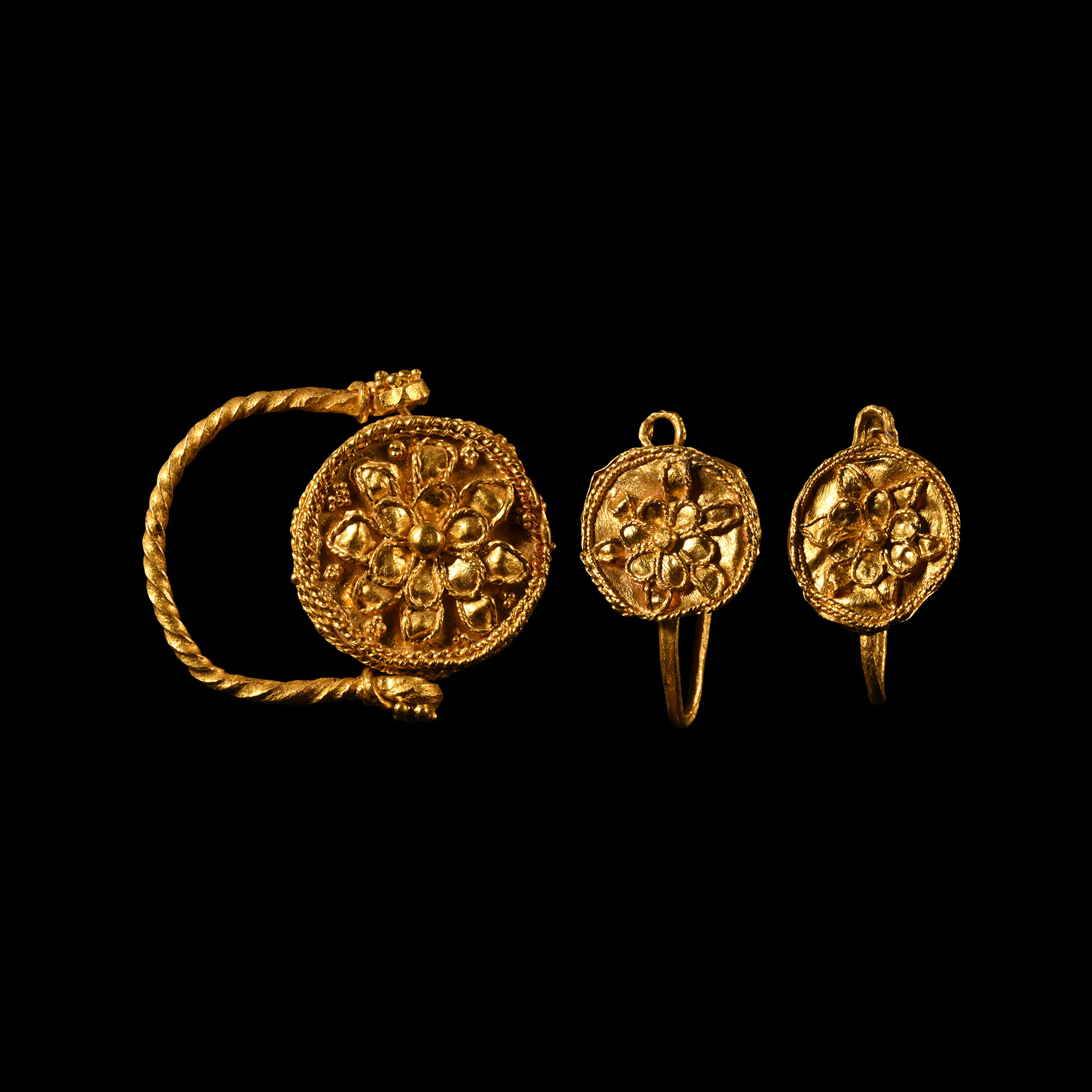
Greek Gold Ring and Earring Set with Rosettes
4TH-3RD CENTURY B.C.
7/8 - 1 1/4 in. (14.59 grams total, 22-32 mm).
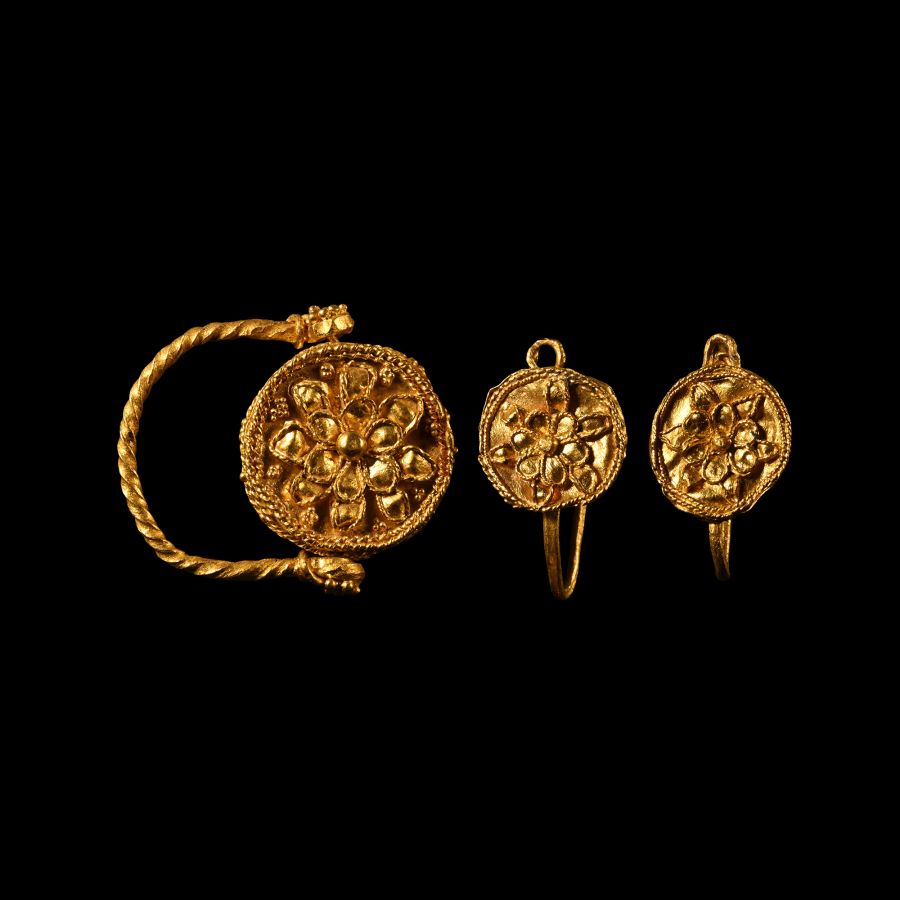
Comprising: matched pair of earrings, each a hollow-formed disc with applied rosette motif in filigree; finger ring with twisted rod shank and swivel attachment to a drum-shaped bezel with similar applied rosette, granule clusters to the rim. [3]
ProvenanceLondon collection; acquired on the UK art market 1971-1974.
This lot has been checked against the Interpol Database of stolen works of art and is accompanied by a search certificate number no.12152-217076.
Cf. Chadour, A.B., Rings: The Alice and Louis Koch Collection, volume I, Leeds, 1994, item 41, for type.
CONDITIONTimeLine Auctions follows a vetting process to ensure the authenticity and legality of all items, reinforcing our commitment to integrity and responsible trading. Each antiquity, antique, and coin lot undergoes thorough examination by a vetting committee of at least ten external specialists, professional trade association members, scientists, and archaeologists: Our Vetting Process
AUCTIONS:
TimeLine is a leading auction house specialising in antiquities, ancient art, collectables, natural history, coins, medals, and books. Our auctions offer museums, collectors, historians, and enthusiasts the opportunity to acquire unique and historically significant pieces.
LOT 0531
Greek Gold Ring and Earring Set with Rosettes
Estimate £5,000 - 7,000€5,800 - 8,120 (for guidance only)$6,750 - 9,450 (for guidance only)
-
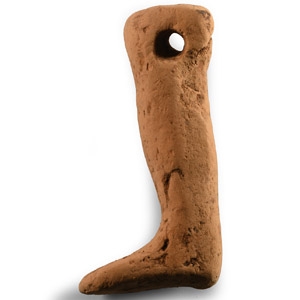
Etruscan Terracotta Votive Leg
Circa 5th-3rd century B.C.Sold for (Inc. bp): £72
With lateral piercing at the knee for attachment or suspension. 15.2 grams, 60 mm
From a collection acquired on the UK art market from various auction houses and collections mostly before 2000. From an important Cambridgeshire estate; thence by descent. -
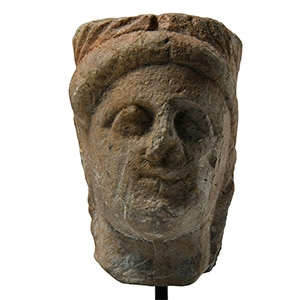
Greek Stone Head of a Caryatid
4th-2nd century B.C.Sold for (Inc. bp): £221
Modelled in the half-round with D-shaped face and short neck, transverse band of hair above the brow and ribbed panel above, flat-topped; slot to lower rear for attachment; mounted on a custom-made display stand. 426 grams total, 14.2 cm including stand
From a collection acquired on the UK art market from various auction houses and collections mostly before 2000. From an important Cambridgeshire estate; thence by descent. -
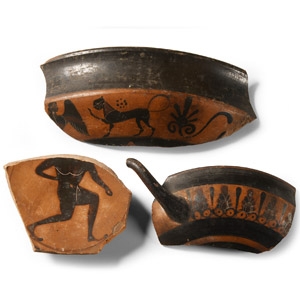
Greek Terracotta Attic Black Figure Vessel Fragment Group
6th century B.C.Sold for (Inc. bp): £546
Comprising: carinated rim fragment from a bowl with reserved siren, panther, rosette and other ornament; bowl base with reserved advancing nude male or satyr on a red field, sgraffito detailing; skyphos rim fragment with part of the handle, reserved egg-and-dart band. 106 grams total, 7.4-13 cm
From an early 20th century collection. By descent the property of a UK lady. Ian Wilkinson collection, Nottinghamshire, UK, formed since 1985. Accompanied by a previous handwritten note including provenance.
The body of the panther resembles the style of the school of Sophilos, an Attic painter active circa 580-560 B.C. The naked image (a dancing satyr?) recalls the Attic black figure depictions of ithyphallic satyrs, with torso, arms, legs and incision for internal details in white paint, made around 500 B.C.
