
Loading, please wait...
LOT 0577
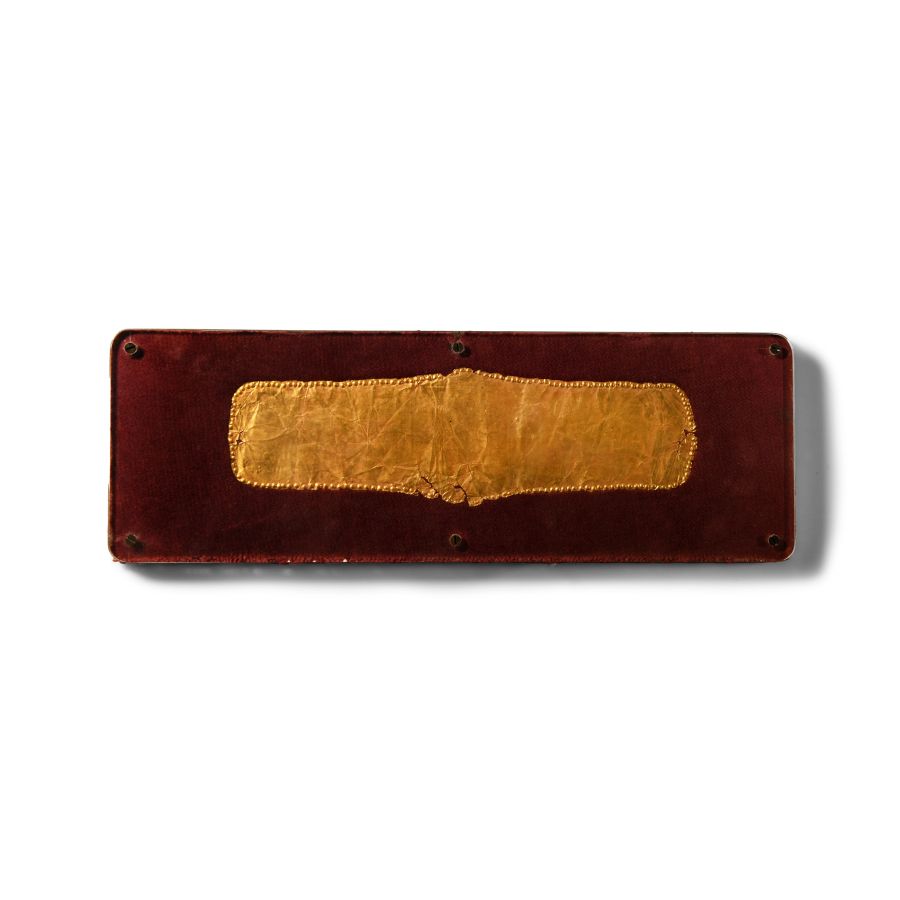
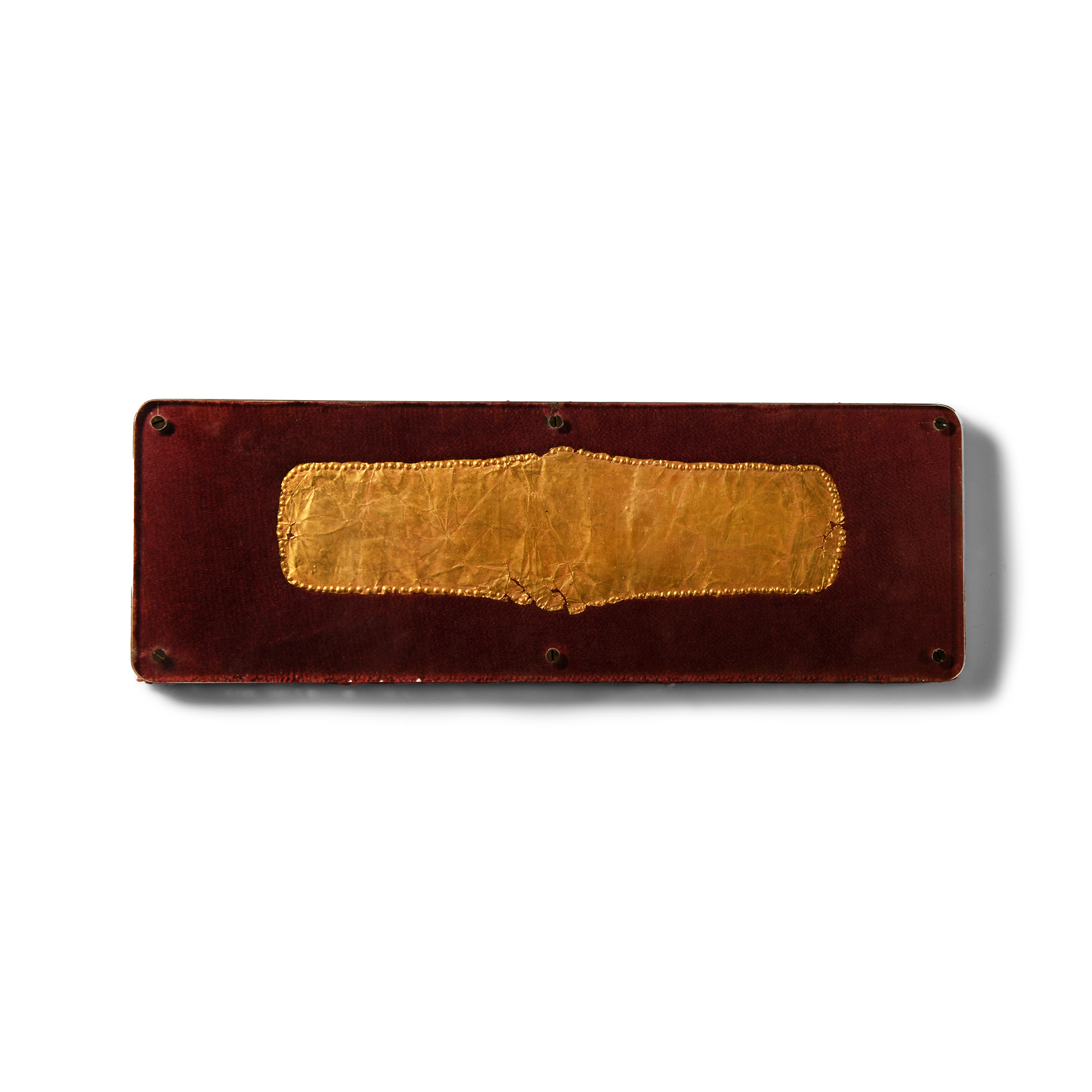
Greek Gold Funerary Diadem
CIRCA 323-31 B.C.
4 7/8 in. (7 1/8 in.) (72 grams total, 12.3 cm wide (18.2 cm wide including perspex mount)).
Hammered from a thin gold leaf, a repoussé border of small pellets to the outer edge; mounted in custom-made perspex case with fabric backing.
ProvenanceEx European collection, 1960s.
Accompanied by a previous catalogue information slip.
TimeLine Auctions follows a vetting process to ensure the authenticity and legality of all items, reinforcing our commitment to integrity and responsible trading. Each antiquity, antique, and coin lot undergoes thorough examination by a vetting committee of at least ten external specialists, professional trade association members, scientists, and archaeologists: Our Vetting Process
AUCTIONS:
TimeLine is a leading auction house specialising in antiquities, ancient art, collectables, natural history, coins, medals, and books. Our auctions offer museums, collectors, historians, and enthusiasts the opportunity to acquire unique and historically significant pieces.
-
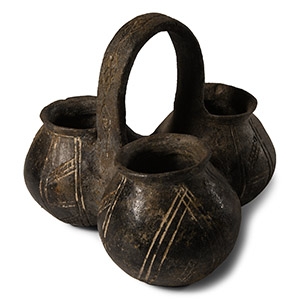
Cypriot Triple Vessel with Handle
Bronze Age, 2nd millennium B.C.Sold for (Inc. bp): £780
Three globular pots each with an everted rim and narrow base, joined with a tall strap handle; sgraffito geometric ornament. 688 grams, 18 cm
From a collection acquired on the UK art market from various auction houses and collections mostly before 2000. From an important Cambridgeshire estate; thence by descent. -
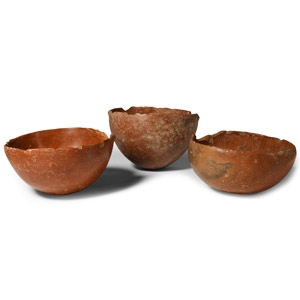
Cypriot Red Polished Ware Bowl Group
Early-Middle Bronze Age, circa 2700-1900 B.C.Sold for (Inc. bp): £130
Group of three hemispherical bowls with burnished surface, one with old collector's inked notation 'L.S./2.60'. 1.09 kg total, 14-15 cm
From a collection acquired on the UK art market from various auction houses and collections mostly before 2000. From an important Cambridgeshire estate; thence by descent. -
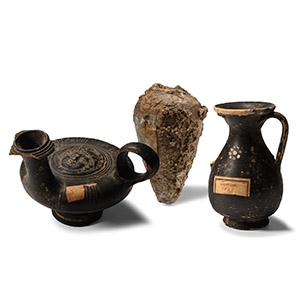
Greek Terracotta Vessel Collection
Circa 4th century B.C.Estimate: £800 - 1,000 (+bp*)
Opening Bid: £400
Mixed group comprising: blackware footed jug with loop handle, high-relief mask of Apollo, old collector's label inside the foot 'Carnac 1846'; blackware amphora with strap handles (one absent), band of rosettes to the neck, old collector's labels 'Carnac 1846' to base and body; amphora with marine encrustation, old collector's label (illegible). 526 grams total, 98-120 mm
Collected circa 1846. From a 19th century collection. Acquired by a previous vendor's father in the 1930s-1940s. Ex property of a North London, UK, gallery.
