
Loading, please wait...
LOT 0639
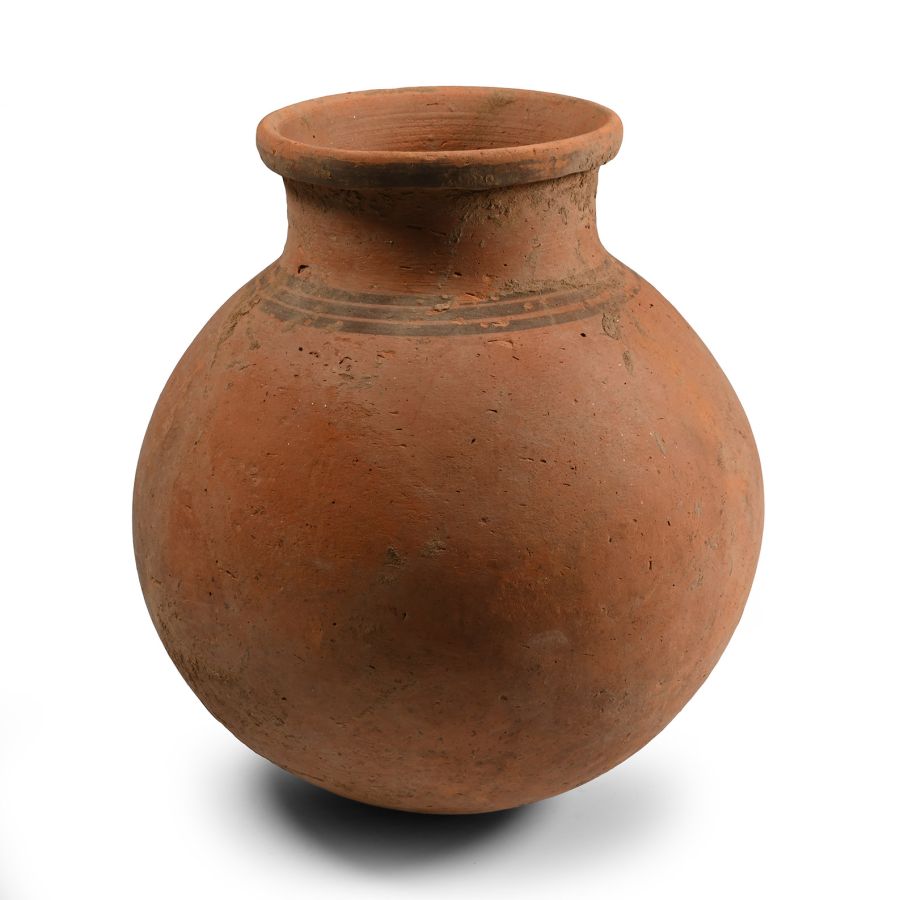
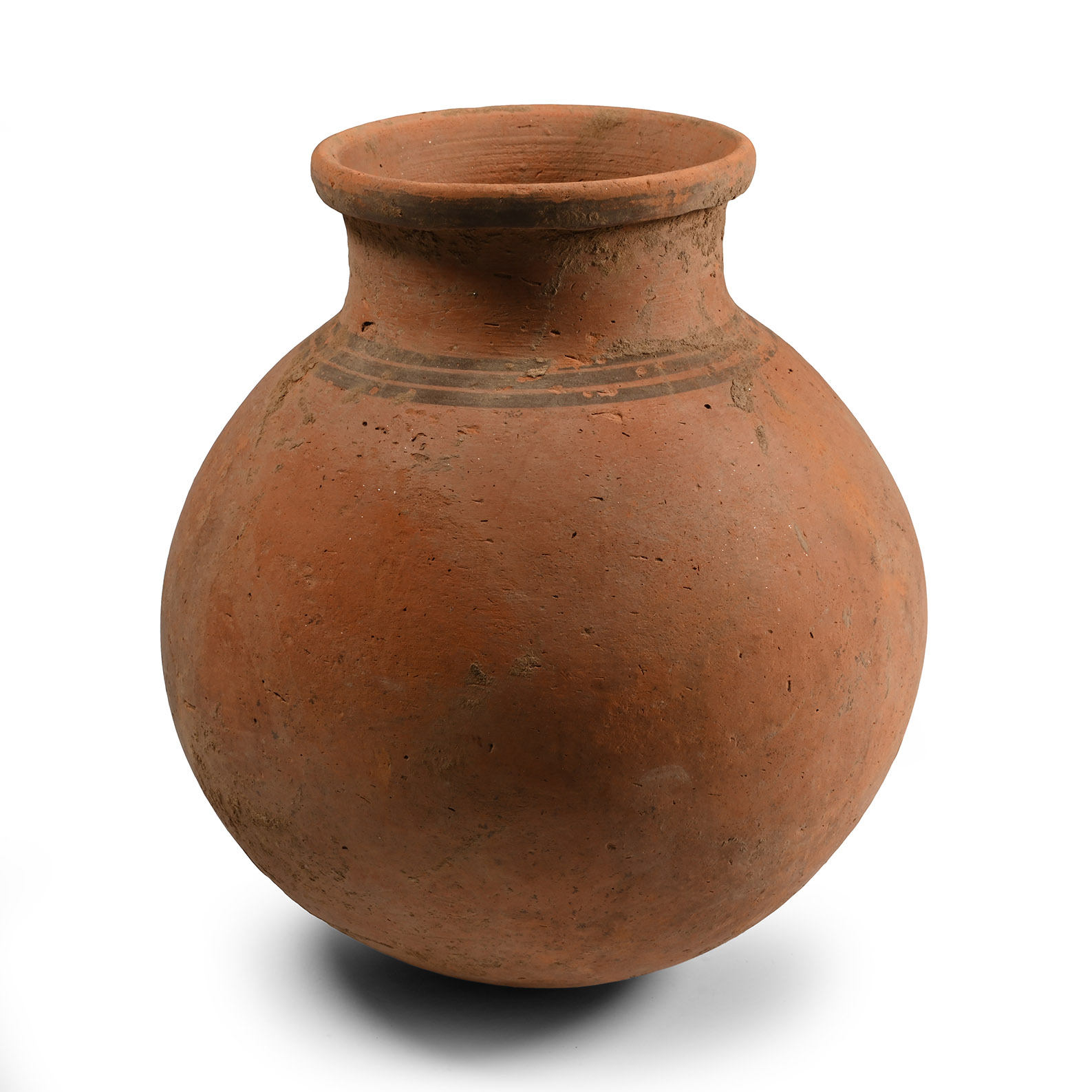
Greek Geometric Terracotta Vessel
IRON AGE, 8TH-7TH CENTURY B.C.
6 3/4 in. (562 grams, 17 cm).
With bulbous body and rounded base; short neck with everted rim, three painted circumferential bands below the neck. [No Reserve]
ProvenanceEx London, UK, art market, 1990s.
CONDITIONTimeLine Auctions follows a vetting process to ensure the authenticity and legality of all items, reinforcing our commitment to integrity and responsible trading. Each antiquity, antique, and coin lot undergoes thorough examination by a vetting committee of at least ten external specialists, professional trade association members, scientists, and archaeologists: Our Vetting Process
AUCTIONS:
TimeLine is a leading auction house specialising in antiquities, ancient art, collectables, natural history, coins, medals, and books. Our auctions offer museums, collectors, historians, and enthusiasts the opportunity to acquire unique and historically significant pieces.
-
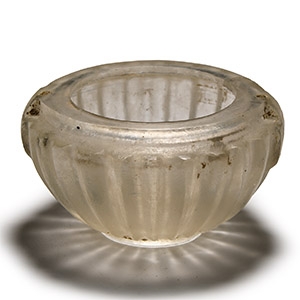
Hellenistic Ribbed Rock Crystal Bowl
3rd-2nd century B.C.Sold for (Inc. bp): £2,600
Of squat profile, with circumferential band of vertical ribbing to the exterior wall, broad flat rim incorporating two shallow lateral blocks, pierced vertically to accept a handle. 148 grams, 82 mm wide
Acquired from Galerie Serres, Paris, before 1980. Formerly in a French private collection. H.B. collection since 2012. Private collection, England. This lot has been checked against the Interpol Database of stolen works of art and is accompanied by a search certificate number no.12312-215584.
Glassmaking and glass-working were considered to be two separate crafts and took place in different regions during the Hellenistic period. Each craft was characterised by its own technological tradition, know-how and equipment. Glassmakers and glassworkers did not need to have an understanding of glass vessel manufacture and primary production respectively in order to carry out their tasks. Glassmaking had to take place as close as possible to the sources of the raw materials used, namely sand and mineral natron. Raw glass was traded throughout the Mediterranean in the form of ingots and it was then worked and shaped into vessels, inlays, jewellery, etc, in various locations. A lot of glass production took place on the Syro-Palestinian coast as well as the broader Levant and Egypt, with centres of manufacture in the royal capitals of Antioch and Alexandria. The reputation of the Alexandrian workshop is well-understood from luxury glass vessels decorated with Egyptian-style buildings or characteristic scenes found as far away as Italy and Afghanistan. -
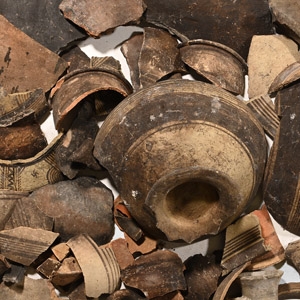
Cypriot Mixed Terracotta Vessel Fragments
3rd-1st millennium B.C.Sold for (Inc. bp): £143
Including fragments of storage vessel, bowl and other items, some with painted ornament, some with handle and rim elements. 3.9 kg total, 2.5-22 cm
From a collection acquired on the UK art market from various auction houses and collections mostly before 2000. From an important Cambridgeshire estate; thence by descent. -
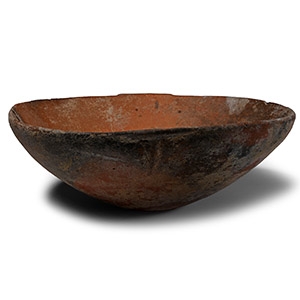
Large Cypriot Red Ware Terracotta Bowl
Late Bronze Age, circa 1450-1200 B.C.Sold for (Inc. bp): £78
Broad squat bowl with dished profile, rounded rim, single pierced ledge handle; with inked inscription to base: 'L.S / 726'. 1.32 kg, 28.5 cm
From a collection acquired on the UK art market from various auction houses and collections mostly before 2000. From an important Cambridgeshire estate; thence by descent.
