
Loading, please wait...
LOT 0650
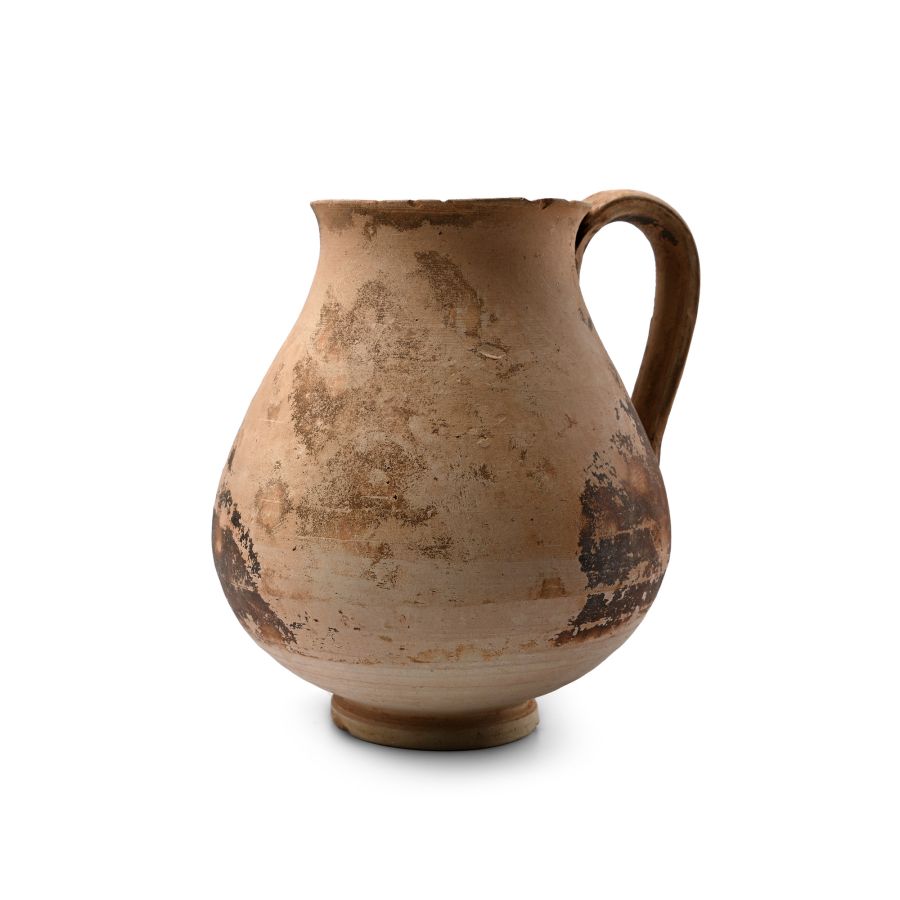
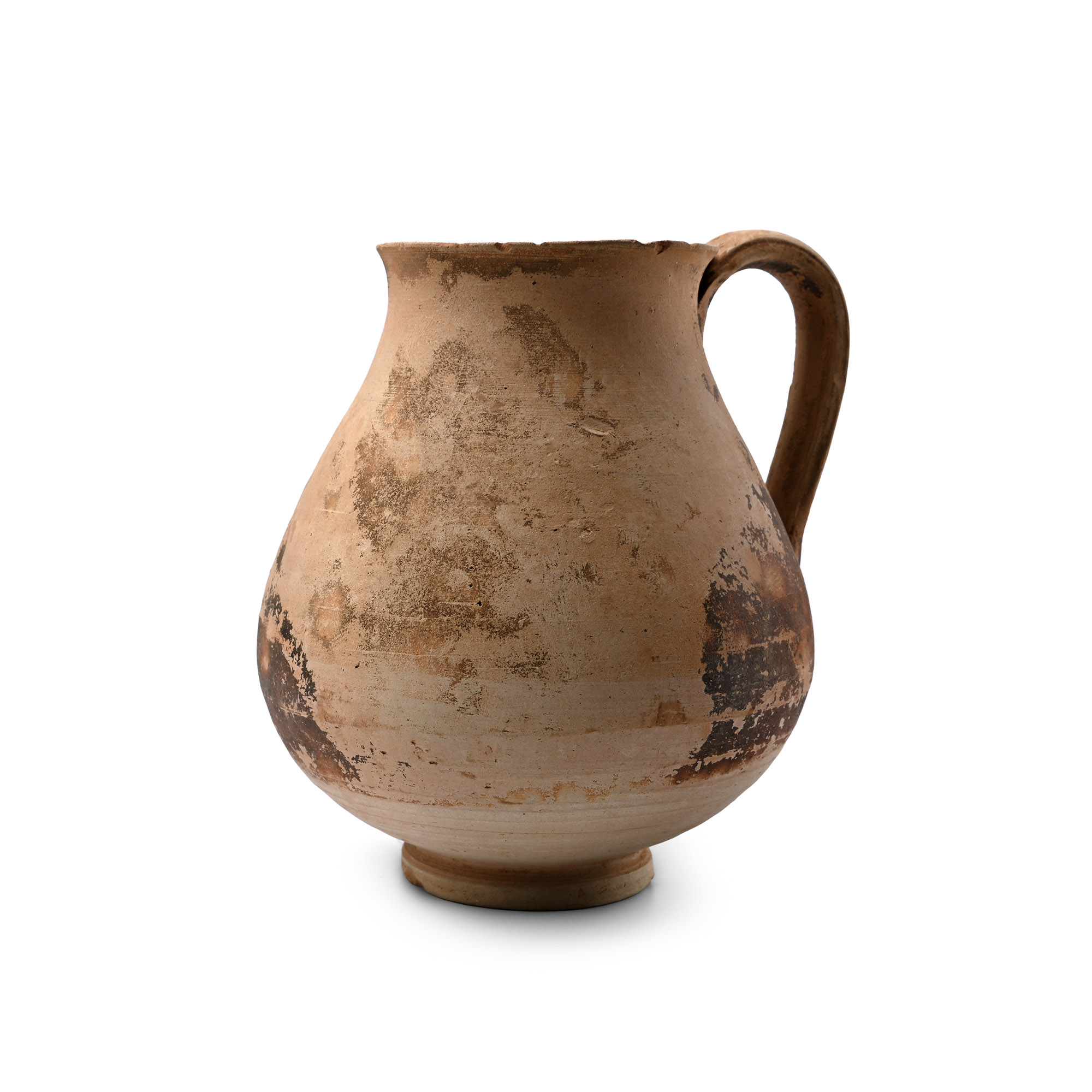
Greek Corinthian Terracotta Juglet
6TH-5TH CENTURY B.C.
3 3/4 in. (124 grams, 95 mm high).
Piriform in profile with low flared foot, slightly everted rim, applied strap handle; remains of painted design. [No Reserve]
ProvenanceFrom an old German collection.
From the property of a late Lincolnshire, UK, gentleman.
TimeLine Auctions follows a vetting process to ensure the authenticity and legality of all items, reinforcing our commitment to integrity and responsible trading. Each antiquity, antique, and coin lot undergoes thorough examination by a vetting committee of at least ten external specialists, professional trade association members, scientists, and archaeologists: Our Vetting Process
AUCTIONS:
TimeLine is a leading auction house specialising in antiquities, ancient art, collectables, natural history, coins, medals, and books. Our auctions offer museums, collectors, historians, and enthusiasts the opportunity to acquire unique and historically significant pieces.
-
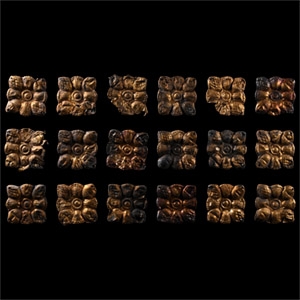
Greek Gold Applique Group
7th-5th century B.C.Sold for (Inc. bp): £2,340
Comprising eighteen repoussé plaques, each with a central boss and a flower bud to each side, the corners with alternating pinecones and acorns, pierced through the corners; mounted on a perspex backing. 91 grams total, 22 mm each
From the estate of Dr Jacob Hirsch. Acquired by Galerie Rhéa, Zurich, from the above in 1999. -
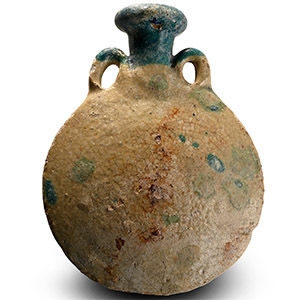
Parthian Blue Glazed Water Vessel
2nd century B.C.Estimate: £500 - 700 (+bp*)
Opening Bid: £200
Discoid body and short tubular neck with everted rim, two loop handles. 561 grams, 19.2 cm
Ex London, UK gallery, 1971-early 2000s. Private collection, London. -
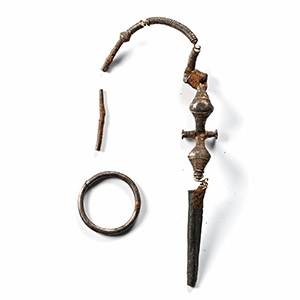
Greek Silver Wire Fibula
6th-4th century B.C.Estimate: £250 - 350 (‡+bp*)
Opening Bid: £120
With coiled spring and lateral lugs; tapering shank and separate ring. 9.11 grams total, 1.8-12.4 cm
Private collection, Switzerland, 1992. Thence by descent. Private collection, since the late 1990s.
