
Loading, please wait...
LOT 0548
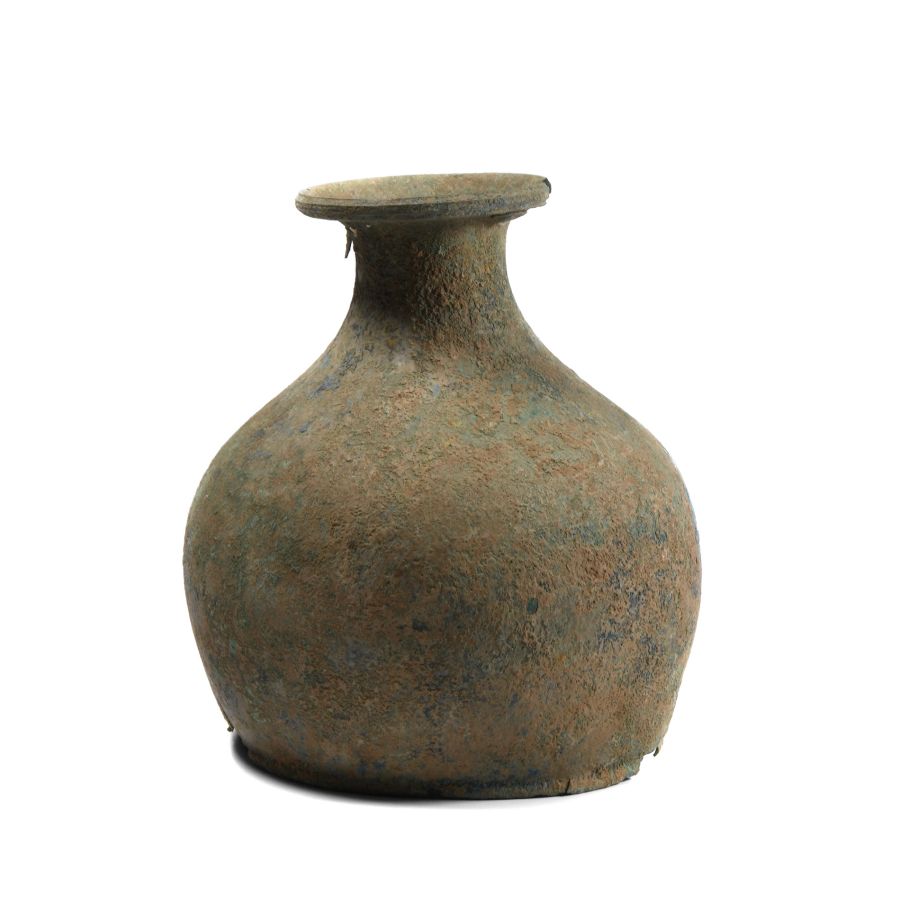
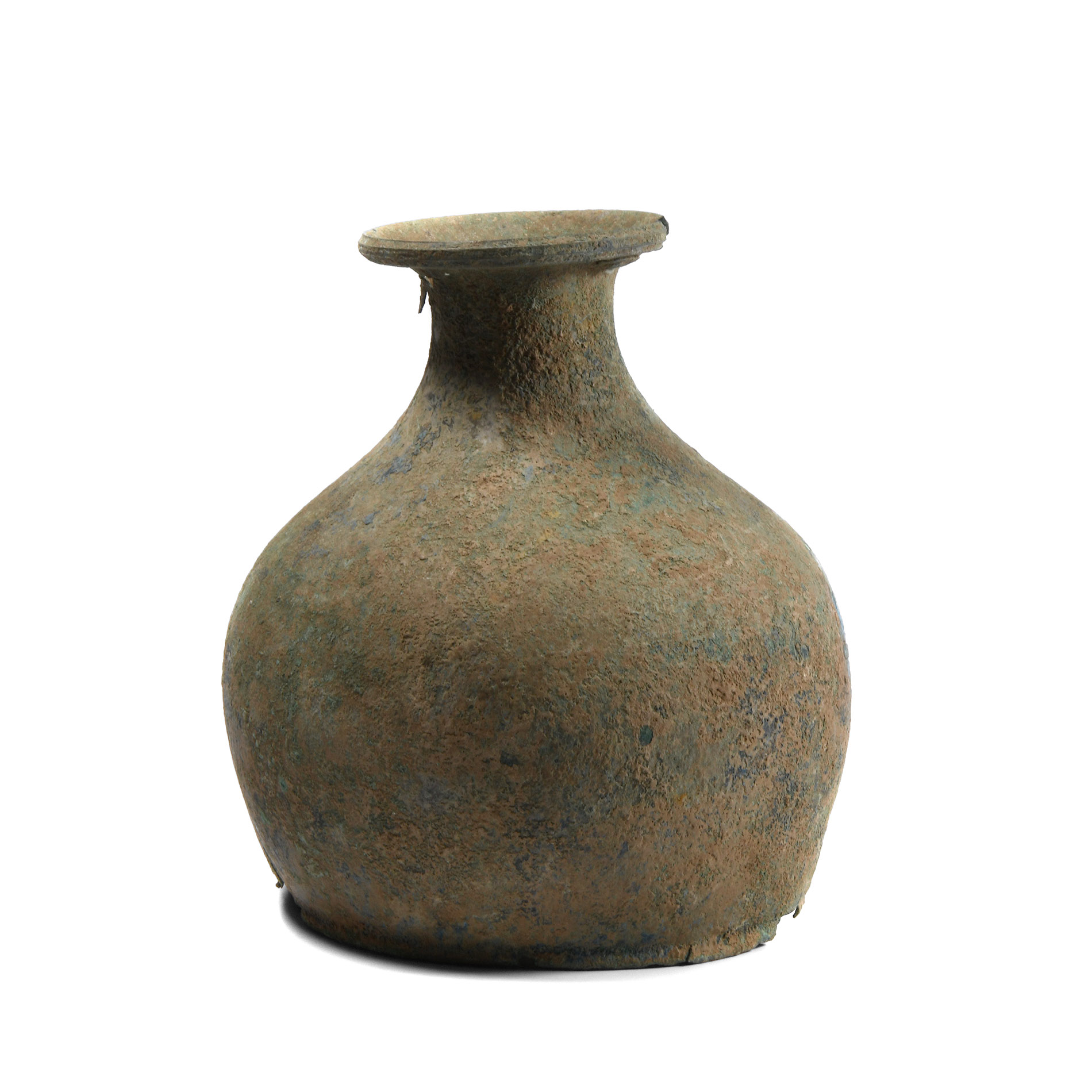
Greek Bronze Vessel
3RD-2ND CENTURY B.C.
7 1/8 in. (504 grams, 18 cm high).
Composed of a bulbous body, short neck and everted rim, remains of handle beneath the rim; cracked and split, base absent.
ProvenanceAcquired 1990s-early 2000s.
East Anglian private collection.
TimeLine Auctions follows a vetting process to ensure the authenticity and legality of all items, reinforcing our commitment to integrity and responsible trading. Each antiquity, antique, and coin lot undergoes thorough examination by a vetting committee of at least ten external specialists, professional trade association members, scientists, and archaeologists: Our Vetting Process
AUCTIONS:
TimeLine is a leading auction house specialising in antiquities, ancient art, collectables, natural history, coins, medals, and books. Our auctions offer museums, collectors, historians, and enthusiasts the opportunity to acquire unique and historically significant pieces.
-
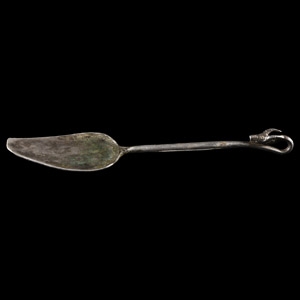
Graeco-Persian Silver Spoon
Circa 3rd century B.C.Sold for (Inc. bp): £338
The shallow 'bowl' or plaque with a squared tip, round-section shank and horned animal had finial with stylised detailing. 30.8 grams, 15 cm
UK collection, early 1990s and before. Acquired on the UK art market since the early 2000s. From a private collection, Lancashire, UK. -
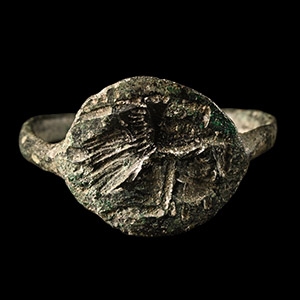
Hellenistic Bronze Ring with Horse Motif
Circa 2nd-1st century B.C.Sold for (Inc. bp): £52
Displayed in relief on a broad elliptical bezel. 2.16 grams, 20.95 mm overall, 18.48 mm internal diameter (approximate size British Q, USA 8, Europe 17.49, Japan 16)
Acquired 1990s-early 2000s. East Anglian private collection. -
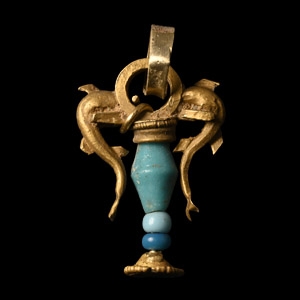
Greek Gold Dolphin Amphora Pendant
Circa 2nd century B.C.Sold for (Inc. bp): £715
The vessel body composed of blue glass beads threaded on a slender gold wire stem, splayed gold foot with beaded rim, handles formed as leaping dolphins with suspension loops between. 1.99 grams, 22 mm
Acquired 1970-2010. Collection of a late Japanese gentleman.
