
Loading, please wait...
LOT 0550
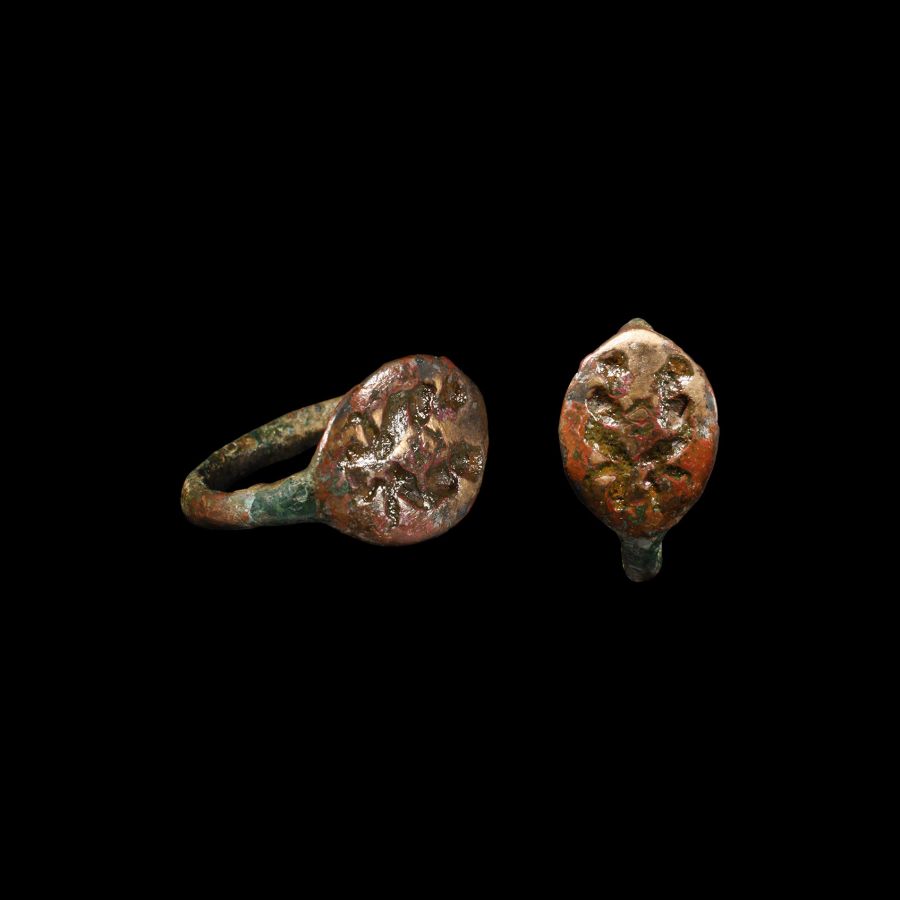
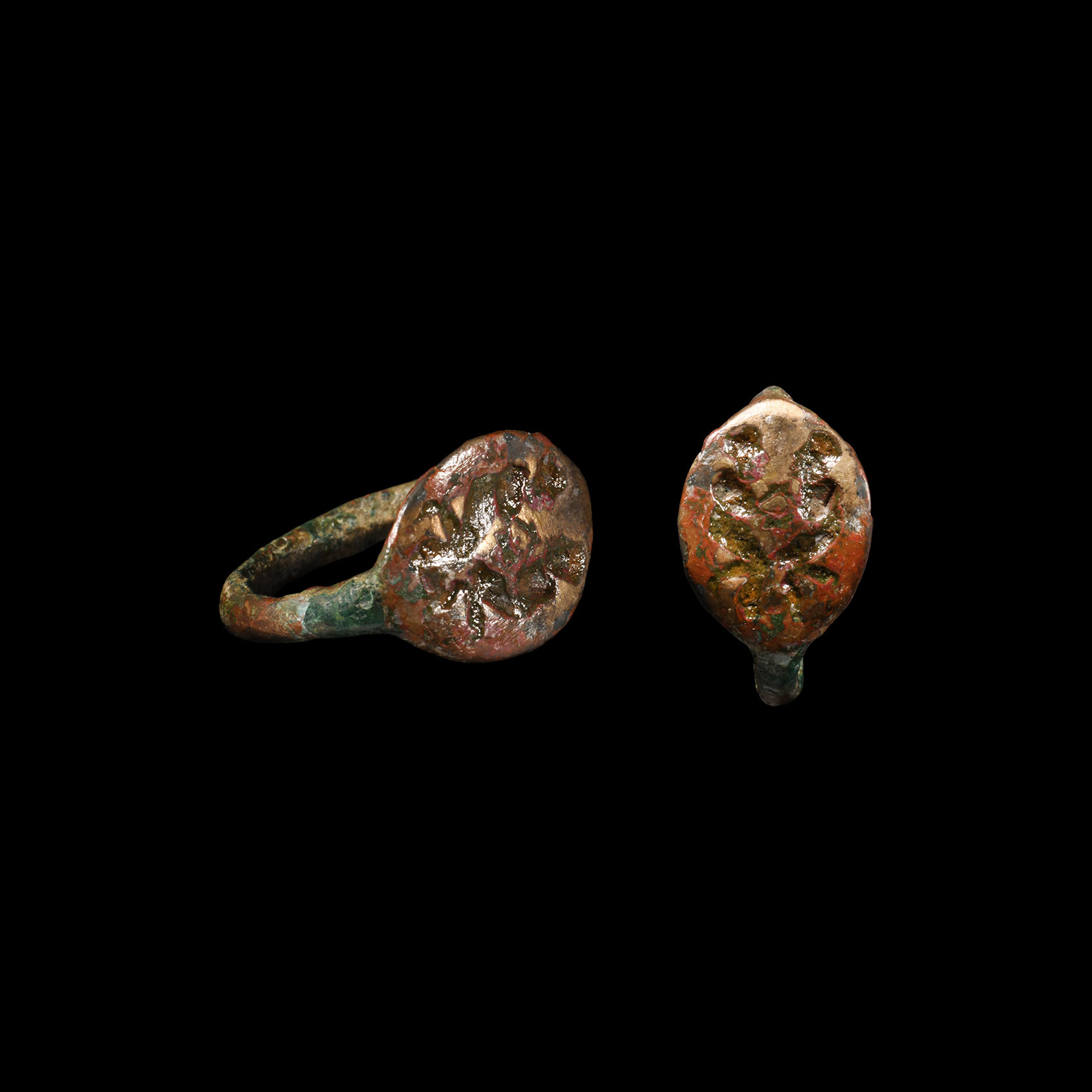
Greek Bronze Ring with Figures
4TH-2ND CENTURY B.C.
1 in. (5.11 grams, 25.35 mm overall, 21.01 mm internal diameter (approximate size British S, USA 9, Europe 20, Japan 19)).
Composed of a hoop with convex outer face and an elliptical bezel bearing two incuse human figures, kneeling and facing each other. [No Reserve]
ProvenanceUK collection, early 1990s and before.
Acquired on the UK art market since the early 2000s.
From a private collection, Lancashire, UK.
TimeLine Auctions follows a vetting process to ensure the authenticity and legality of all items, reinforcing our commitment to integrity and responsible trading. Each antiquity, antique, and coin lot undergoes thorough examination by a vetting committee of at least ten external specialists, professional trade association members, scientists, and archaeologists: Our Vetting Process
AUCTIONS:
TimeLine is a leading auction house specialising in antiquities, ancient art, collectables, natural history, coins, medals, and books. Our auctions offer museums, collectors, historians, and enthusiasts the opportunity to acquire unique and historically significant pieces.
-
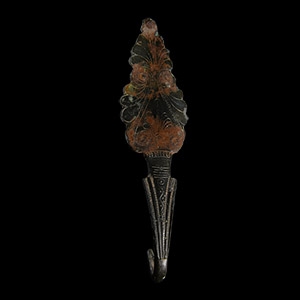
Etruscan Tinned Bronze Armoured Belt Hook
6th-5th century B.C.Sold for (Inc. bp): £46
Composed of a scalloped foliate plate and tapering neck, displaying geometric and foliate detailing. 26 grams, 11.7 cm
Acquired in the 1970s. Private collection of a London antiquarian. -
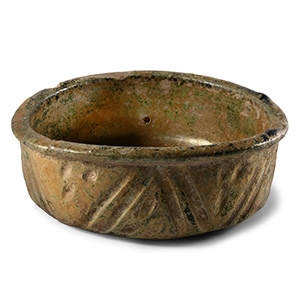
Parthian Green Glazed Dish
3rd-2nd century B.C.Estimate: £600 - 800 (+bp*)
Opening Bid: £250
Of squat form with incised chevrons and dashes decorating the exterior; iridescent surfaces. 298 grams, 13.5 cm
with a London, UK gallery 1971-early 2000s. -
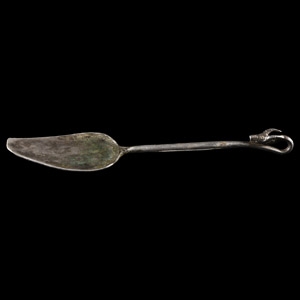
Graeco-Persian Silver Spoon
Circa 3rd century B.C.Sold for (Inc. bp): £338
The shallow 'bowl' or plaque with a squared tip, round-section shank and horned animal had finial with stylised detailing. 30.8 grams, 15 cm
UK collection, early 1990s and before. Acquired on the UK art market since the early 2000s. From a private collection, Lancashire, UK.
