
Loading, please wait...
LOT 0551
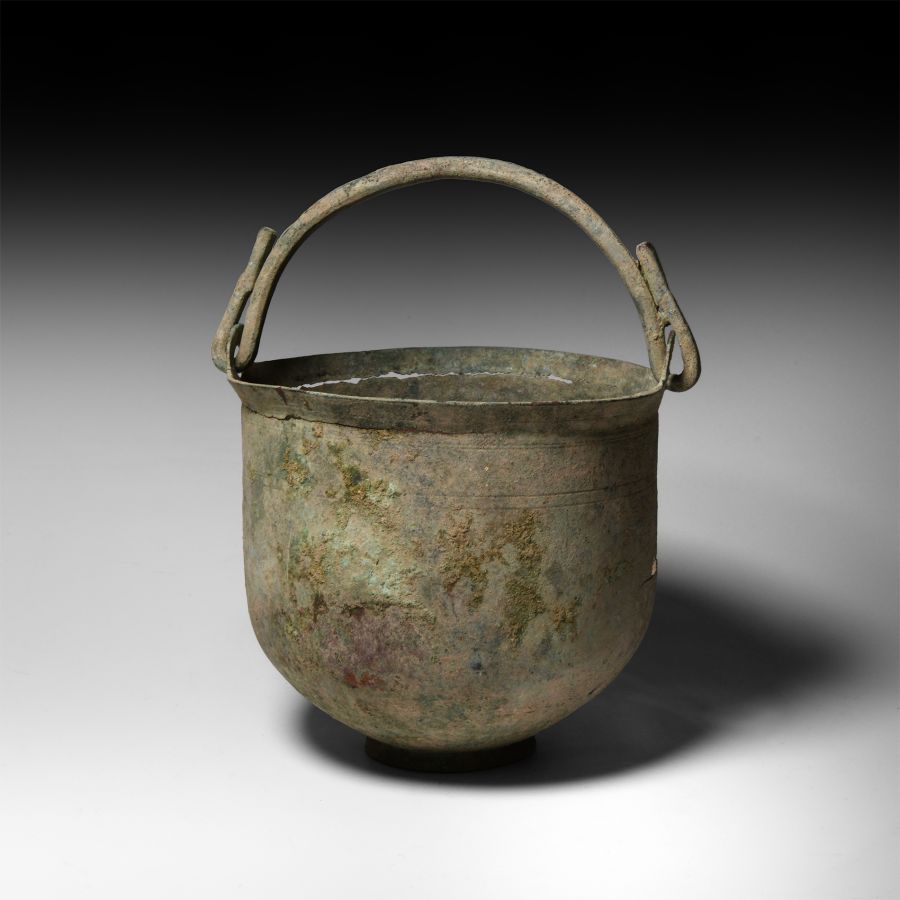
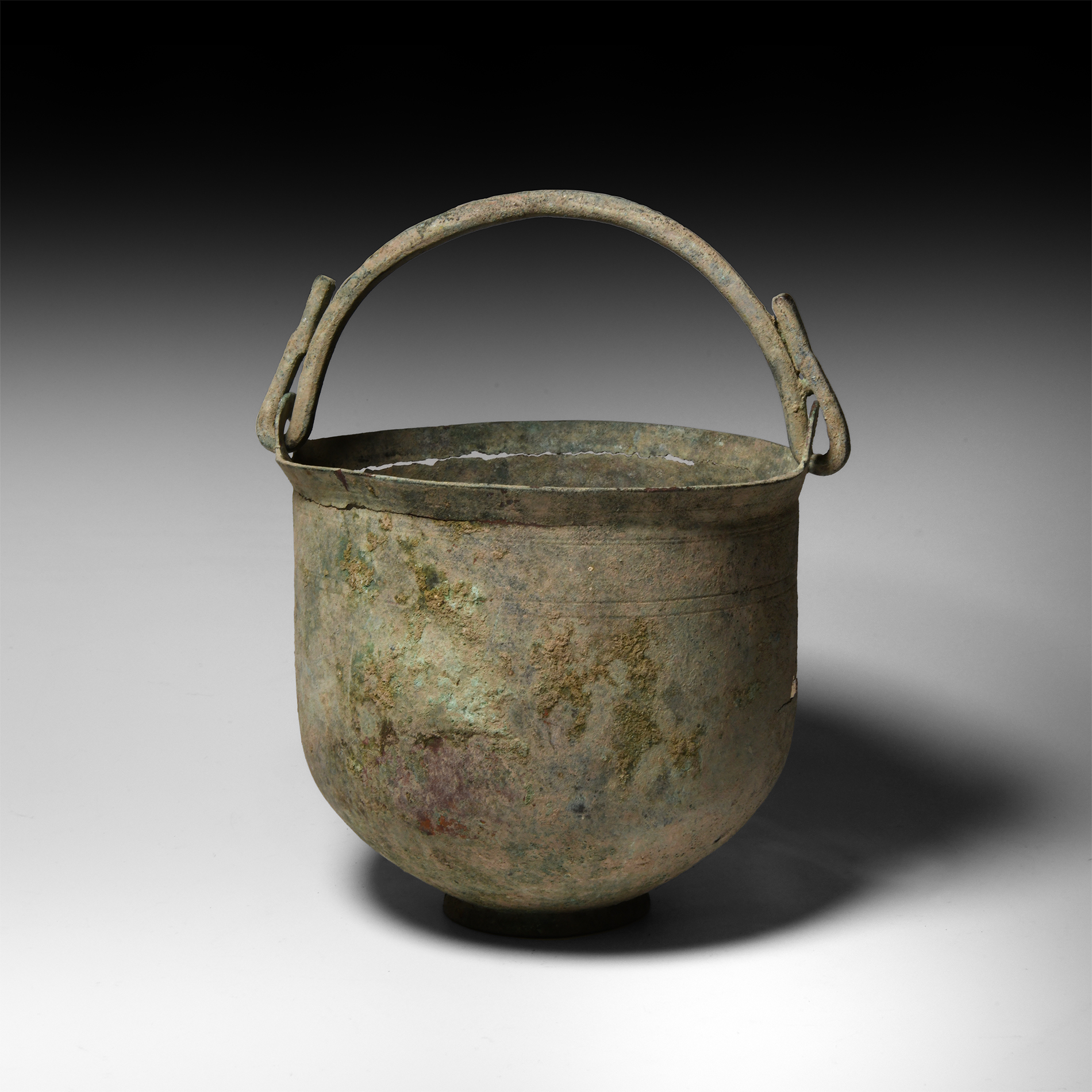
Greek Bronze Handled Vessel
3RD-2ND CENTURY B.C.
8 5/8 in. (434 grams, 22 cm high).
The U-shaped body with foot and shallow incised bands around the shoulder; split.
ProvenanceAcquired 1990s-early 2000s.
East Anglian private collection.
TimeLine Auctions follows a vetting process to ensure the authenticity and legality of all items, reinforcing our commitment to integrity and responsible trading. Each antiquity, antique, and coin lot undergoes thorough examination by a vetting committee of at least ten external specialists, professional trade association members, scientists, and archaeologists: Our Vetting Process
AUCTIONS:
TimeLine is a leading auction house specialising in antiquities, ancient art, collectables, natural history, coins, medals, and books. Our auctions offer museums, collectors, historians, and enthusiasts the opportunity to acquire unique and historically significant pieces.
-
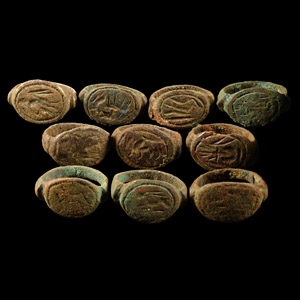
Graeco-Persian Bronze Ring Group
2nd century B.C. and laterSold for (Inc. bp): £416
Mainly comprising rings composed of a hoop with stepped shoulders and an oval bezel, most displaying an incuse human or animal figure. 52 grams total, 21-25 mm
Ex private collection, 1980s. Acquired on the UK art market in the 1990s. -
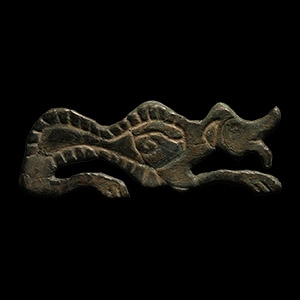
Scythian Bronze crouching Wolf Mount
Late 1st millennium B.C.Sold for (Inc. bp): £169
Facing right, simple stylised detailing to the body and head. 19.1 grams, 66 mm
From the collection of a North American gentleman, formed in the 1990s. -
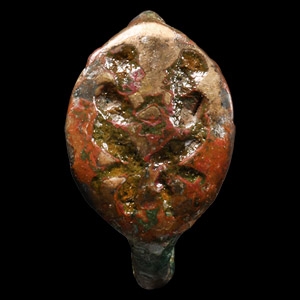
Greek Bronze Ring with Figures
4th-2nd century B.C.Sold for (Inc. bp): £39
Composed of a hoop with convex outer face and an elliptical bezel bearing two incuse human figures, kneeling and facing each other. 5.11 grams, 25.35 mm overall, 21.01 mm internal diameter (approximate size British S, USA 9, Europe 20, Japan 19)
UK collection, early 1990s and before. Acquired on the UK art market since the early 2000s. From a private collection, Lancashire, UK.
