
Loading, please wait...
LOT 1461
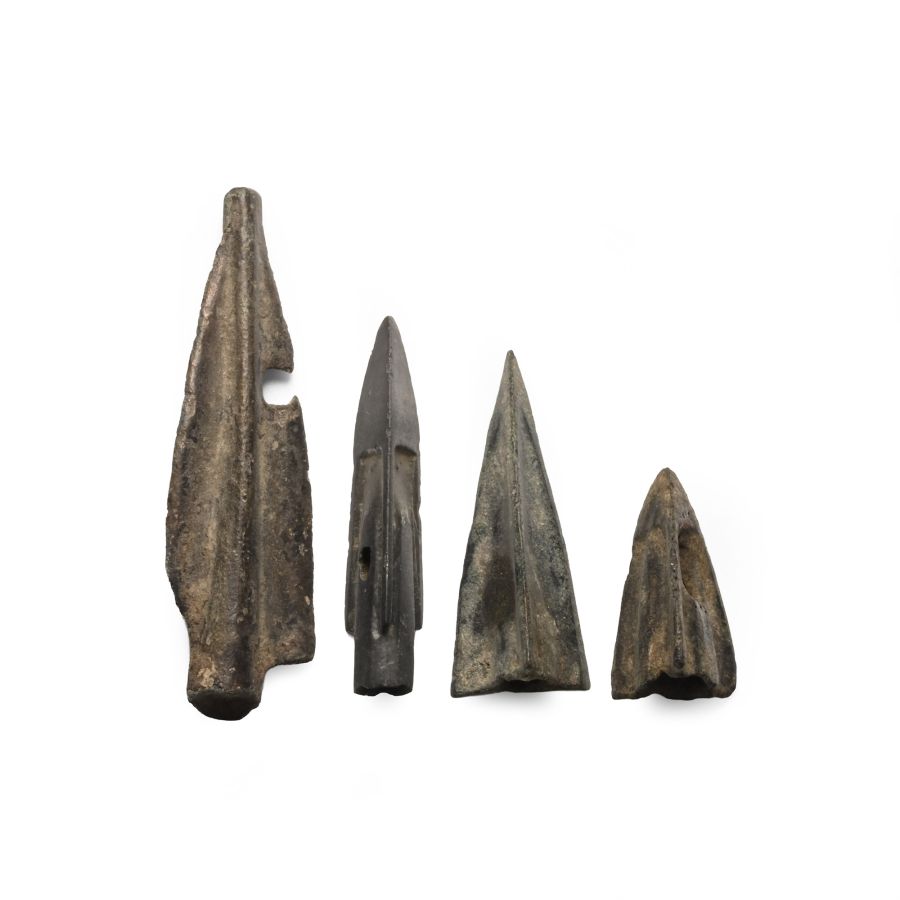
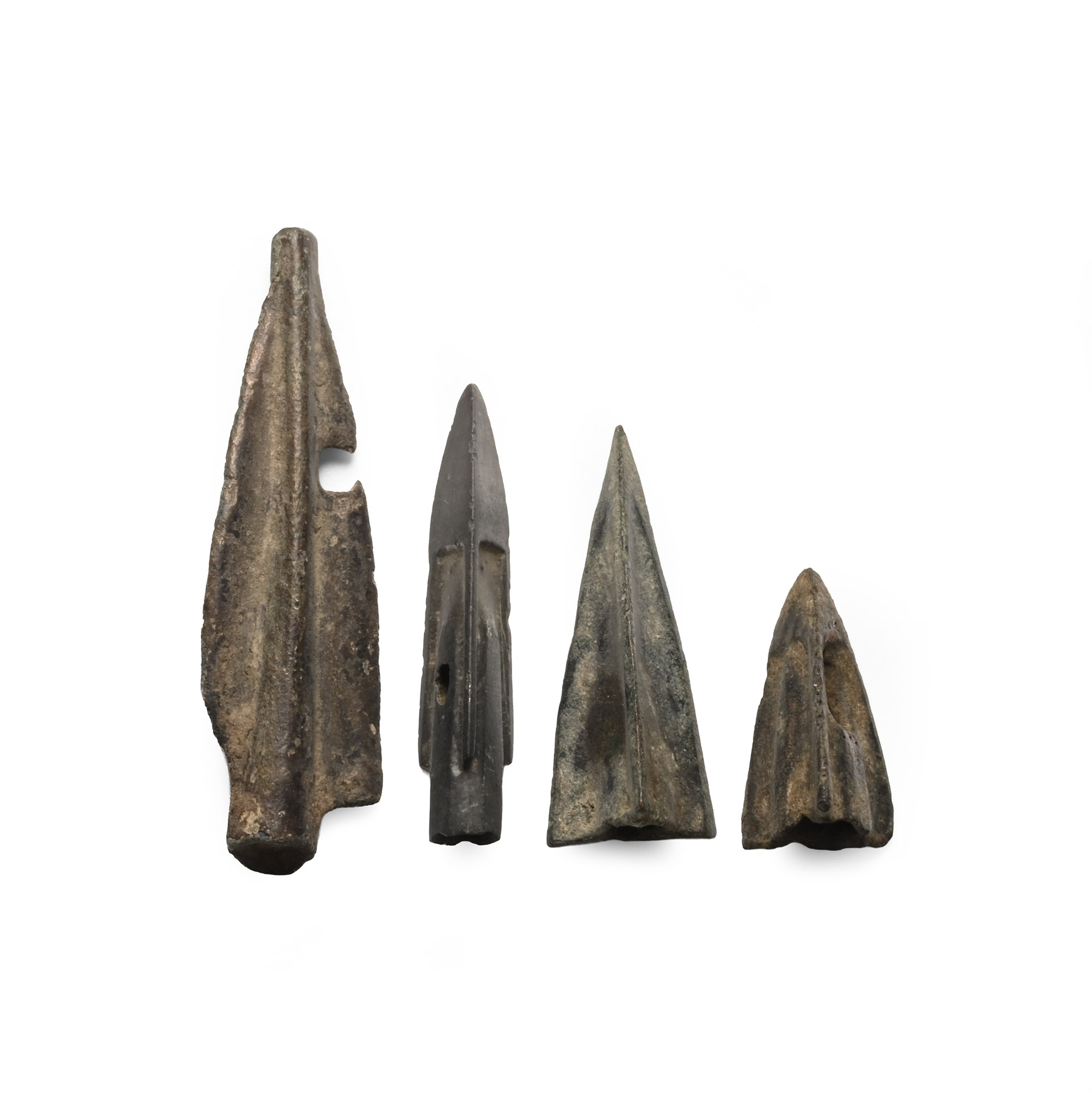
Greek Bronze Arrowhead Group
5TH-3RD CENTURY B.C.
5/8 - 1 1/2 in. (8.93 grams total, 16-38 mm).
Triangular-section, barbed-and-socketted, and other types. [4, No Reserve]
ProvenanceFrom a private Tyneside collection, formed since the early 2000s.
CONDITIONTimeLine Auctions follows a vetting process to ensure the authenticity and legality of all items, reinforcing our commitment to integrity and responsible trading. Each antiquity, antique, and coin lot undergoes thorough examination by a vetting committee of at least ten external specialists, professional trade association members, scientists, and archaeologists: Our Vetting Process
AUCTIONS:
TimeLine is a leading auction house specialising in antiquities, ancient art, collectables, natural history, coins, medals, and books. Our auctions offer museums, collectors, historians, and enthusiasts the opportunity to acquire unique and historically significant pieces.
-
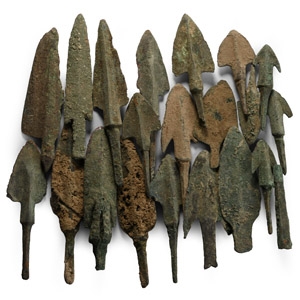
Greek and Luristan Bronze Arrowhead Collection
2nd-1st millennium B.C.Sold for (Inc. bp): £117
Mainly small triangular-headed tanged types. 182 grams total, 39-82 mm
Ex London, UK, collection, 1990s. -
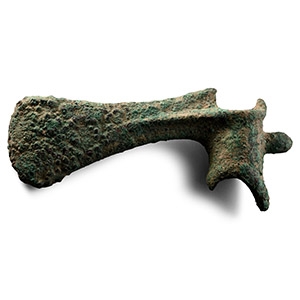
Luristan Bronze Socketted Axehead
2nd-1st millennium B.C.Sold for (Inc. bp): £72
Trapezoidal blade and a cylindrical socket with a collared base, lateral horizontal rib to each face, lobe to the rear; the blade long and with a slightly convex blunt edge. 232 grams, 13.1 cm
Ex Norri collection, Milton Keynes, UK, 1980s-1990s. -
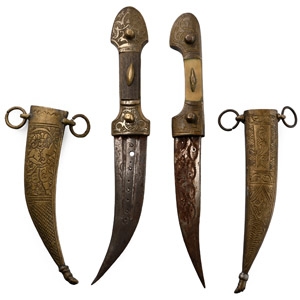
Western Asiatic Style Dagger Group
20th century A.D.Sold for (Inc. bp): £208
Each a curved steel blade with two fullers, stamped ornament; waisted bronze grip with applied bone panels, tendril ornament; cast scabbard with suspension rings, advancing warrior with scimitar to each face. 425 grams total, 23.2-23.7 cm
Acquired during the 1960s. From an old North London oriental and ethnographical collection. From the property of a late Lincolnshire, UK, gentleman.
