
Loading, please wait...

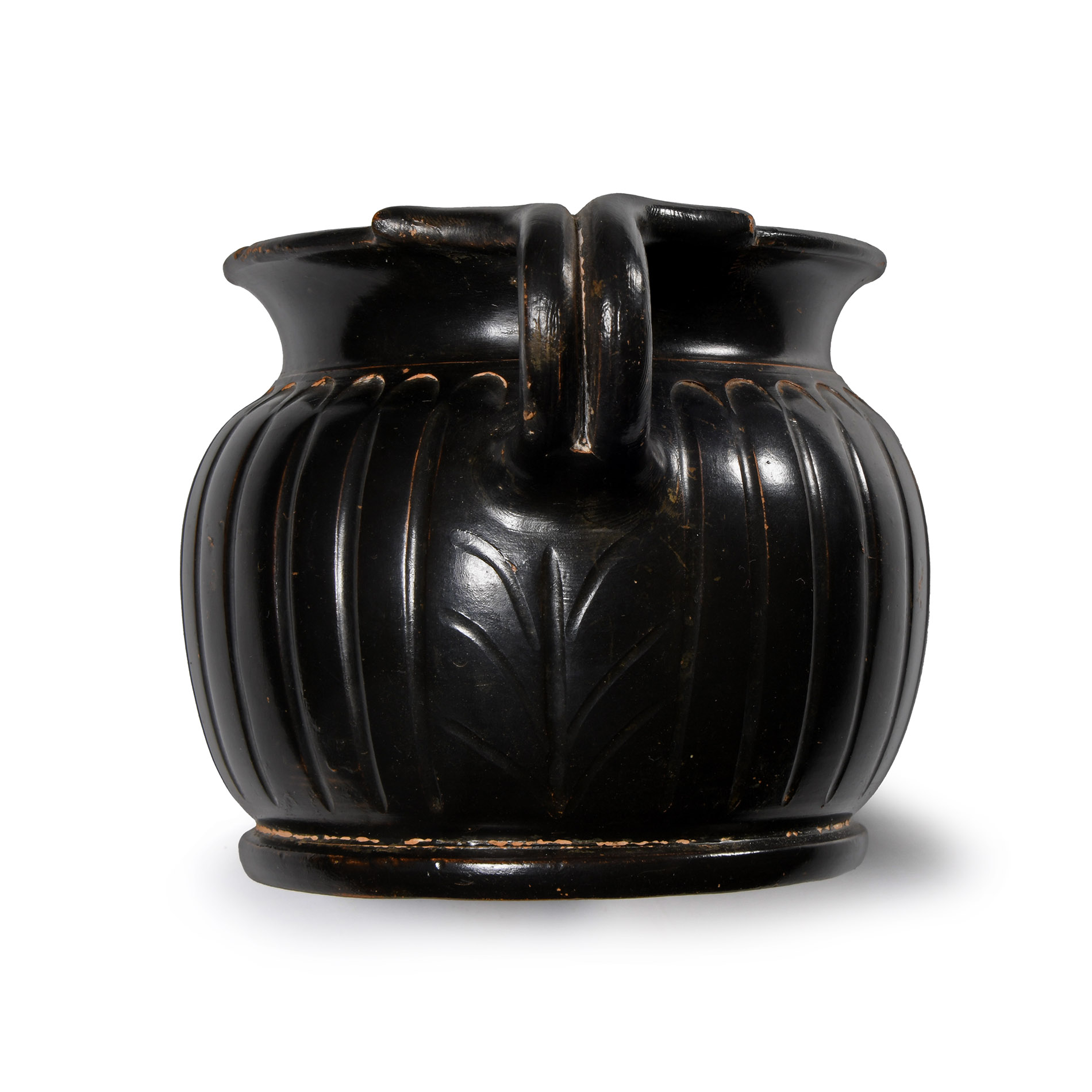
LOT 0561
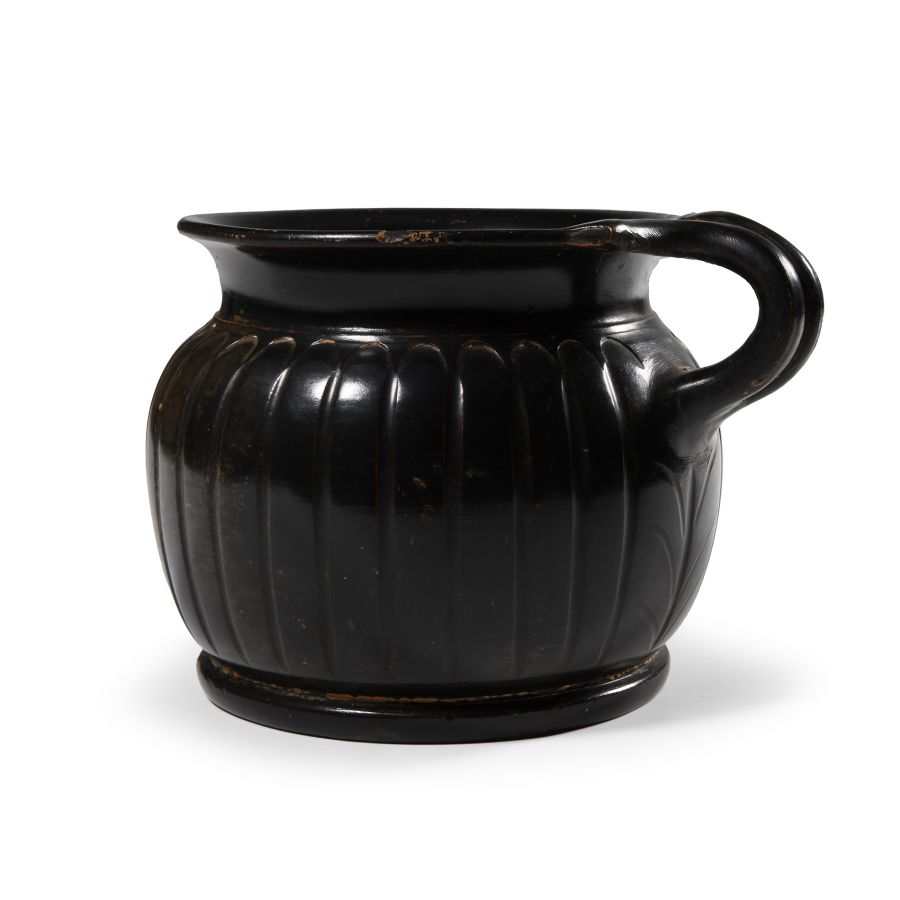
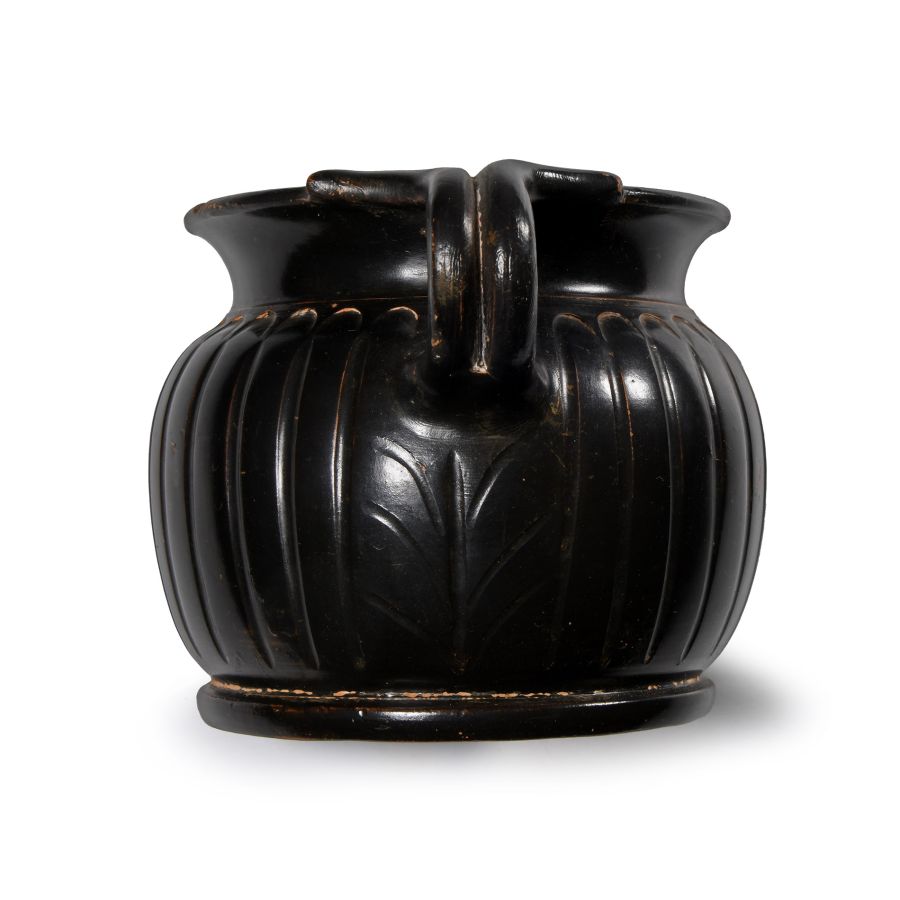
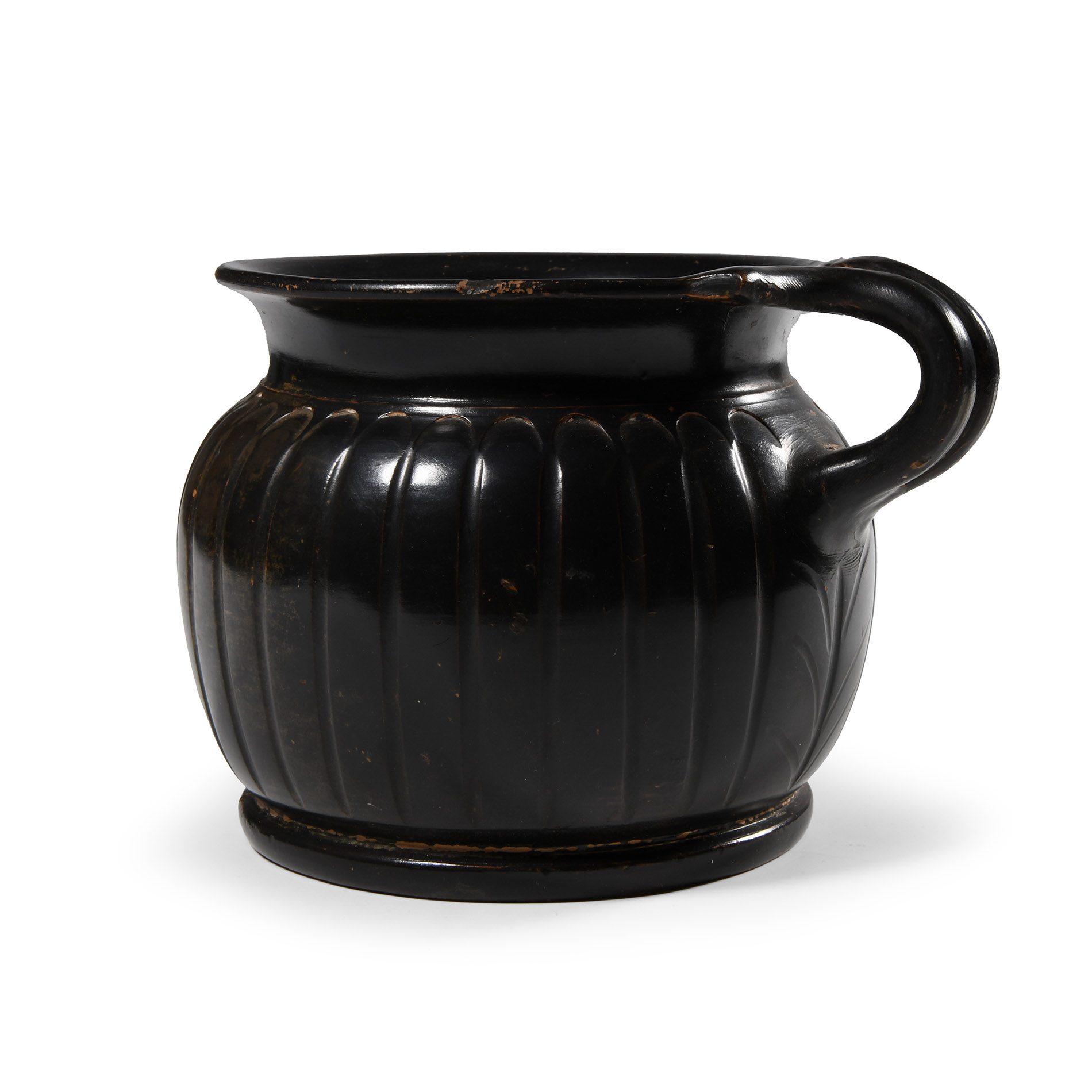
Greek Black-Glazed Ribbed Cup
APULIAN, 4TH-3RD CENTURY B.C.
5 in. (198 grams, 12.7 cm wide).
With barrel-shaped segmented body, basal ring, broad mouth with flared rim, bifid loop handle.
ProvenanceBelieved to be acquired in the 1970s-1980s, thence by descent.
English private collection.
TimeLine Auctions follows a vetting process to ensure the authenticity and legality of all items, reinforcing our commitment to integrity and responsible trading. Each antiquity, antique, and coin lot undergoes thorough examination by a vetting committee of at least ten external specialists, professional trade association members, scientists, and archaeologists: Our Vetting Process
AUCTIONS:
TimeLine is a leading auction house specialising in antiquities, ancient art, collectables, natural history, coins, medals, and books. Our auctions offer museums, collectors, historians, and enthusiasts the opportunity to acquire unique and historically significant pieces.
-
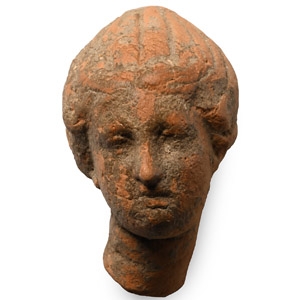
Greek Terracotta Head of a Female
Tarentine, 3rd-1st century B.C.Estimate: £180 - 240 (‡+bp*)
Opening Bid: £100
Female head moulded with a segmented conical cap with earlobes visible beneath; the head slightly turned and tilted downwards on a long slender neck. 43 grams, 56 mm
Acquired in the mid 1980s-1990s. Private collection, Switzerland, thence by descent. Private collection, since the late-1990s. -
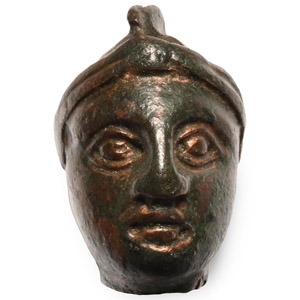
East Greek Bronze Helmetted Head
3rd-2nd century B.C.Sold for (Inc. bp): £124
Modelled in the round, wearing a low crested helmet, stylised facial detailing; socket to the neck. 40.1 grams, 29 mm
Ex German art market, 2000s. Acquired from an EU collector living in London. From the collection of Surrey, UK, gentleman. -
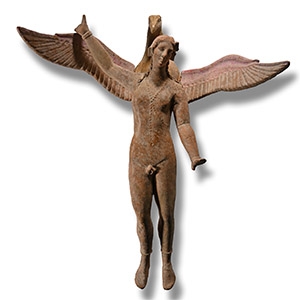
Greek Terracotta Figure of Ganymede
3rd century B.C.Sold for (Inc. bp): £3,120
Modelled in the round as a nude male figure with hanks of hair to the shoulders and necklace of beads; joined directly to his back, an eagle with its textured head arched over that of Ganymede; separate lower left leg and upper arm to the human figure, separate wings for the eagle; repaired. 1.74 kg, 44.5 cm
Acquired in the mid 1980s-1990s. Private collection, Switzerland, thence by descent. Private collection, since the late 1990s. Accompanied by an academic report by Dr Raffaele D'Amato. This lot has been checked against the Interpol Database of stolen works of art and is accompanied by search certificate number no.12211-222353.
In Greek mythology, Ganymede was a divine hero whose handsome looks attracted the attention of Zeus, who had him transported to Olympus by a huge eagle, where he was to serve as a cup-bearer to the gods.
