
Loading, please wait...
LOT 0545
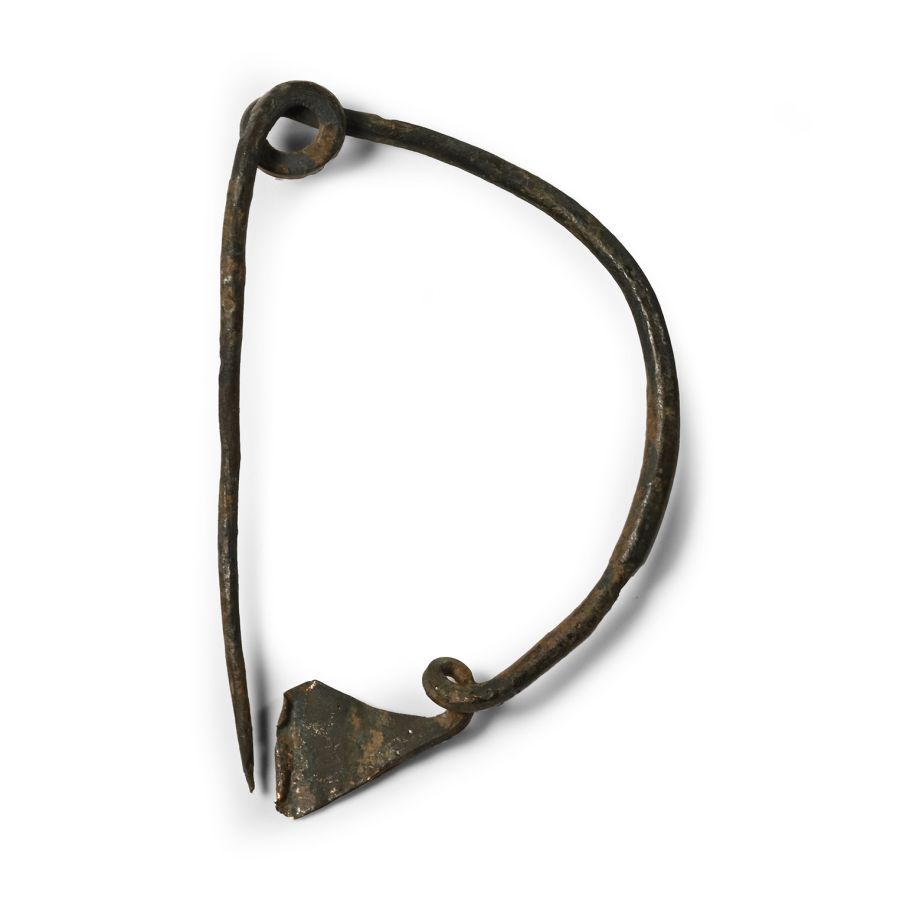
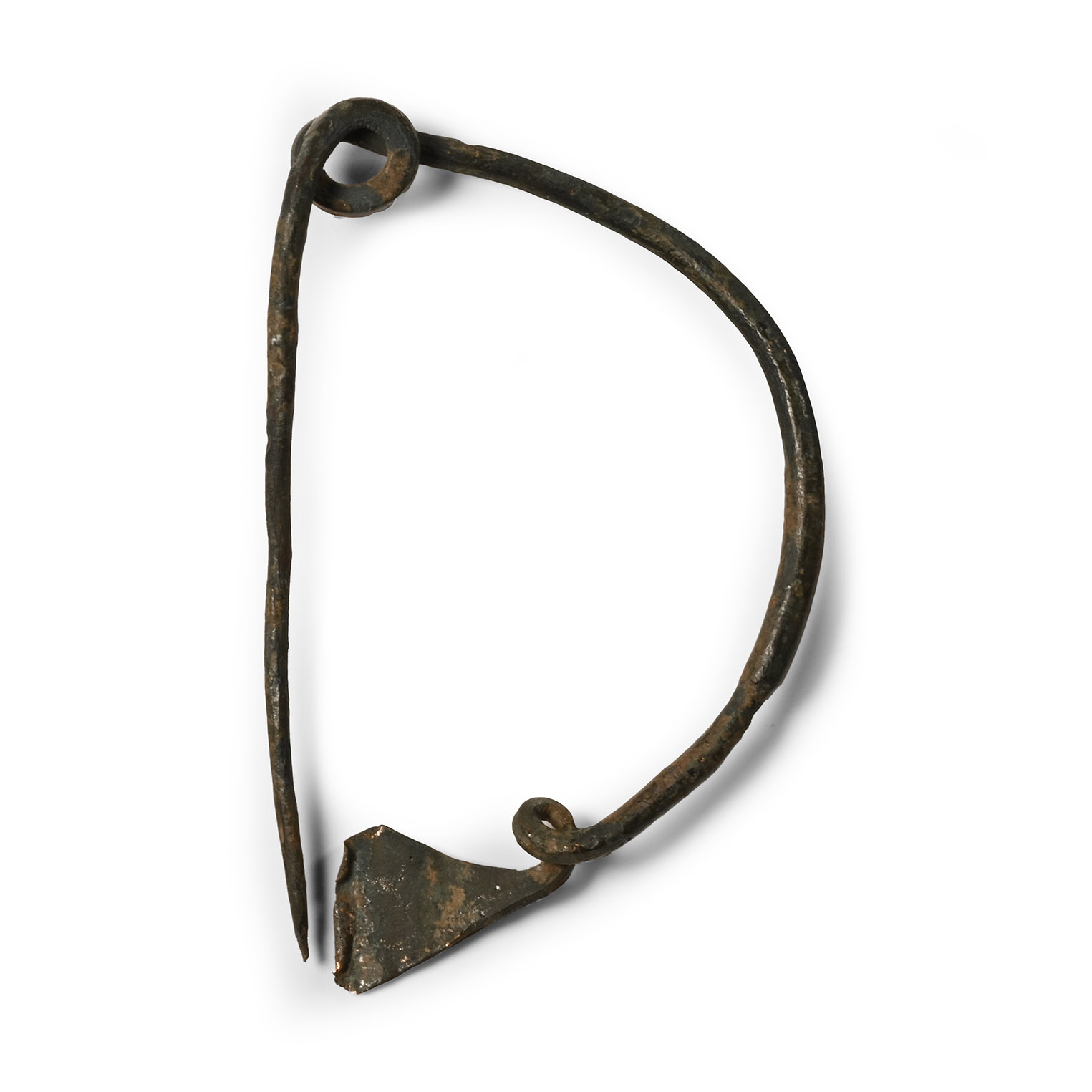
Greek Archaic Bronze Brooch
7TH CENTURY B.C.
1 7/8 in. (2.58 grams, 47 mm).
Comprising a simple arched bow, coiled pin and a flaring catch-plate. [No Reserve]
ProvenanceProperty of the vendor's grandfather, thence by family descent, circa 1985.
From the private collection of a New York, USA gentleman.
TimeLine Auctions follows a vetting process to ensure the authenticity and legality of all items, reinforcing our commitment to integrity and responsible trading. Each antiquity, antique, and coin lot undergoes thorough examination by a vetting committee of at least ten external specialists, professional trade association members, scientists, and archaeologists: Our Vetting Process
AUCTIONS:
TimeLine is a leading auction house specialising in antiquities, ancient art, collectables, natural history, coins, medals, and books. Our auctions offer museums, collectors, historians, and enthusiasts the opportunity to acquire unique and historically significant pieces.
-
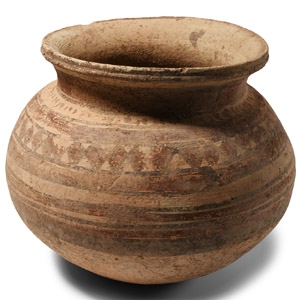
Cypriot Painted Terracotta Storage Vessel
Circa 7th-5th century B.C.Sold for (Inc. bp): £182
With broad bulbous body and high flared neck, painted horizontal bands of geometric ornament. 894 grams, 17 cm wide
Acquired 1980-2015. Ex Abelita family collection. -
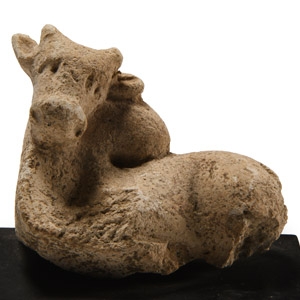
Greek Terracotta Zebu Statuette
Circa 4th-2nd century B.C.Sold for (Inc. bp): £124
Modelled with the head turned to one side, hump behind the shoulders. rounded rump; mounted on a custom-made stand. 145 grams total, 83 mm wide including stand
From a collection acquired on the UK art market from various auction houses and collections mostly before 2000. From an important Cambridgeshire estate; thence by descent. -
.jpg)
Cypriot Archaic Stone Statue of a Votary
Iron Age, 6th century B.C.Sold for (Inc. bp): £2,210
Standing erect on a square base wearing an ankle-length robe with mantle with segmented edge draped from the left shoulder, left arm straight at his side right arm bent and fist clenched at the breast; hair cut in a bobbed style with frontal band, collected in a Near-Eastern head-cloth falling down his back; bare feet with toes emphasised; mounted on a custom-made stand. 7.3 kg, 55.5 cm including stand
From a collection acquired on the UK art market from various auction houses and collections mostly before 2000. From an important Cambridgeshire estate; thence by descent. Accompanied by an academic report by Dr Raffaele D’Amato. This lot has been checked against the Interpol Database of stolen works of art and is accompanied by a search certificate number no.12046-217199.
The sculpture is a good example of the mixed Near Eastern and Attic Ionian styles reflected in Cypriot sculpture. Cypriot art was often influenced by both Greek and Near Eastern styles, although in phase H of the archaic period (680-400 B.C.) the Greek influence became stronger, perhaps as a result of intensified trade and political contacts between the continent, Ionia and the Aegean islands.
