
Loading, please wait...
LOT 0630
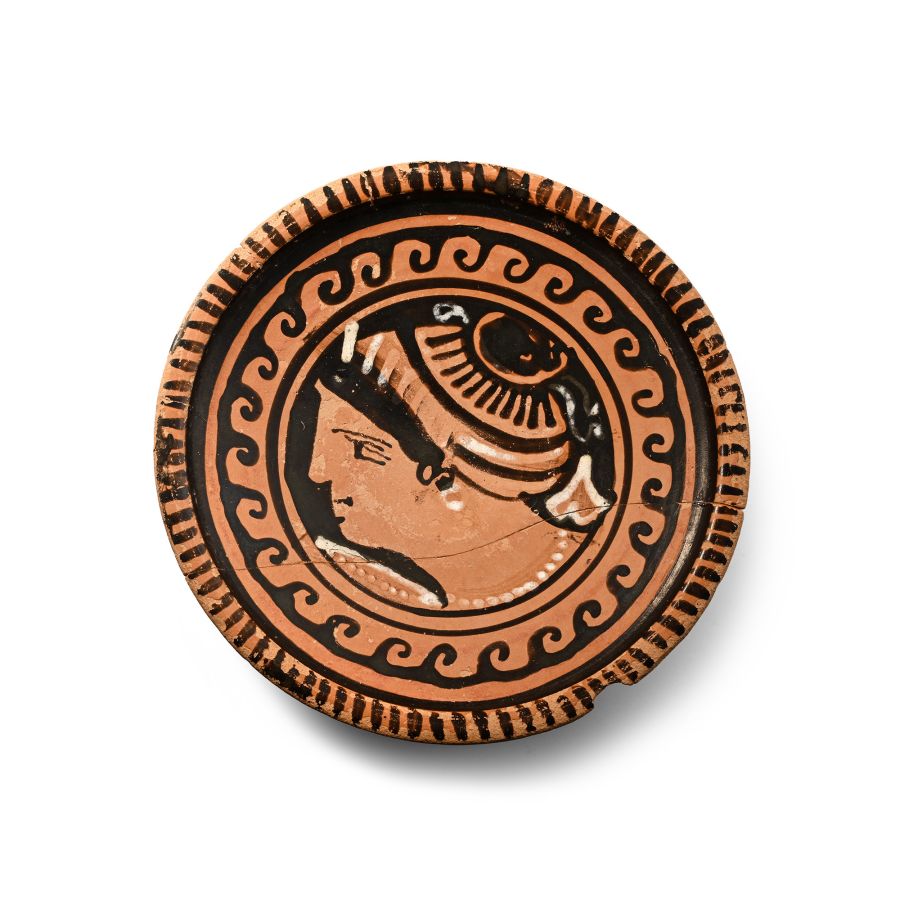
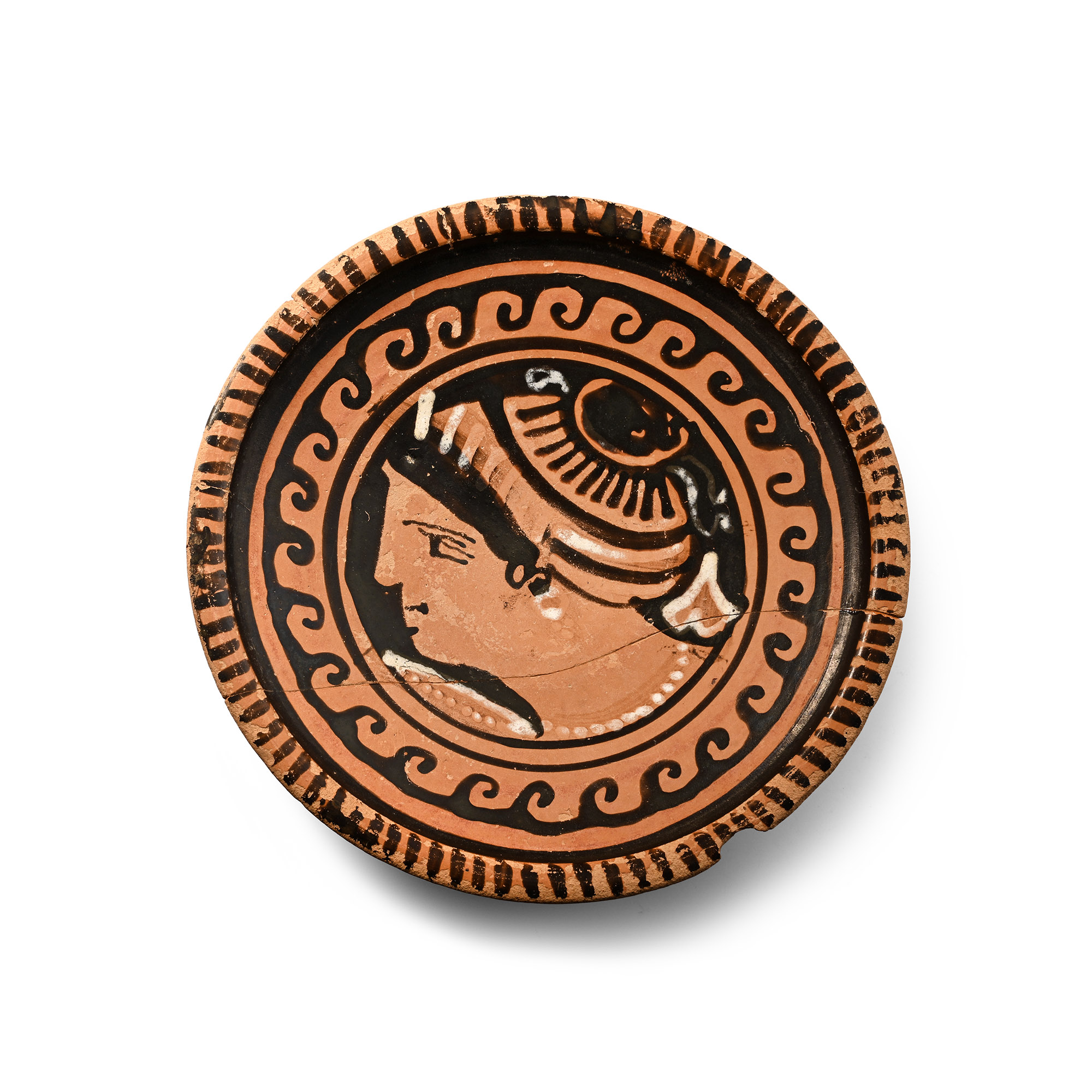
Greek Apulian Red-Figure Footed Plate with Lady of Fashion
SOUTH ITALIC, CIRCA 4TH CENTURY B.C.
5 in. (125 grams, 12.8 cm wide).
With raised rim, carinated profile and low stepped foot; rim with radiating black lentoid strokes, tondo with reserved ring and wave-pattern band enclosing a profile female bust with white detailing to the necklace, stephane and sakkos. [No Reserve]
ProvenanceEx David Miller, Hemel Hempstead, London, UK.
From the private collection of a West London, UK, gentleman, formed since the early 2000s.
Cf. Wisseman, S.U., Corpus Vasorum Antiquorum, Mainz, 1989, p.41, pl.52,3; 55, no.3, for type.
CONDITIONTimeLine Auctions follows a vetting process to ensure the authenticity and legality of all items, reinforcing our commitment to integrity and responsible trading. Each antiquity, antique, and coin lot undergoes thorough examination by a vetting committee of at least ten external specialists, professional trade association members, scientists, and archaeologists: Our Vetting Process
AUCTIONS:
TimeLine is a leading auction house specialising in antiquities, ancient art, collectables, natural history, coins, medals, and books. Our auctions offer museums, collectors, historians, and enthusiasts the opportunity to acquire unique and historically significant pieces.
LOT 0630
Greek Apulian Red-Figure Footed Plate with Lady of Fashion
Sold for (Inc. bp): £364
-
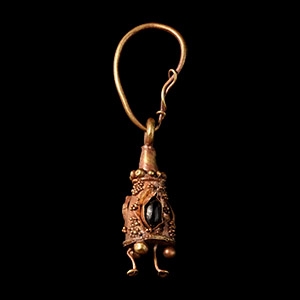
Greek Gold Earring with Garnets
Circa 5th-3rd century B.C.Sold for (Inc. bp): £390
Comprising a conical body with applied granules and three inset teardrop-shaped garnets, three pellets below with wires to accept separate bead inserts; wire loop above. 1.87 grams, 40 mm
From the collection of a gentleman, acquired on the London art market in the 1990s. -
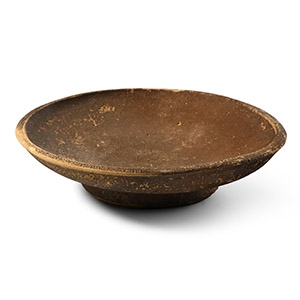
Greek Terracotta Pedestal Dish
Apulian, 4th century B.C.Sold for (Inc. bp): £20
Broad and shallow with low foot, chamfered rim. 75 grams, 98 mm
From an old German collection. From the property of a late Lincolnshire, UK, gentleman. -
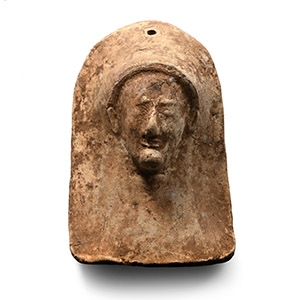
Greek Terracotta Protome Mask
Magna Graecia, early 5th century B.C.Sold for (Inc. bp): £156
Tongue-shaped in plan and hollow to the reverse; obverse with female bust in high-relief with palla head-covering. 75 grams, 10.3 cm
From an old Bath antiquities collection. From the property of a late Lincolnshire, UK, gentleman.
