
Loading, please wait...
LOT 0041
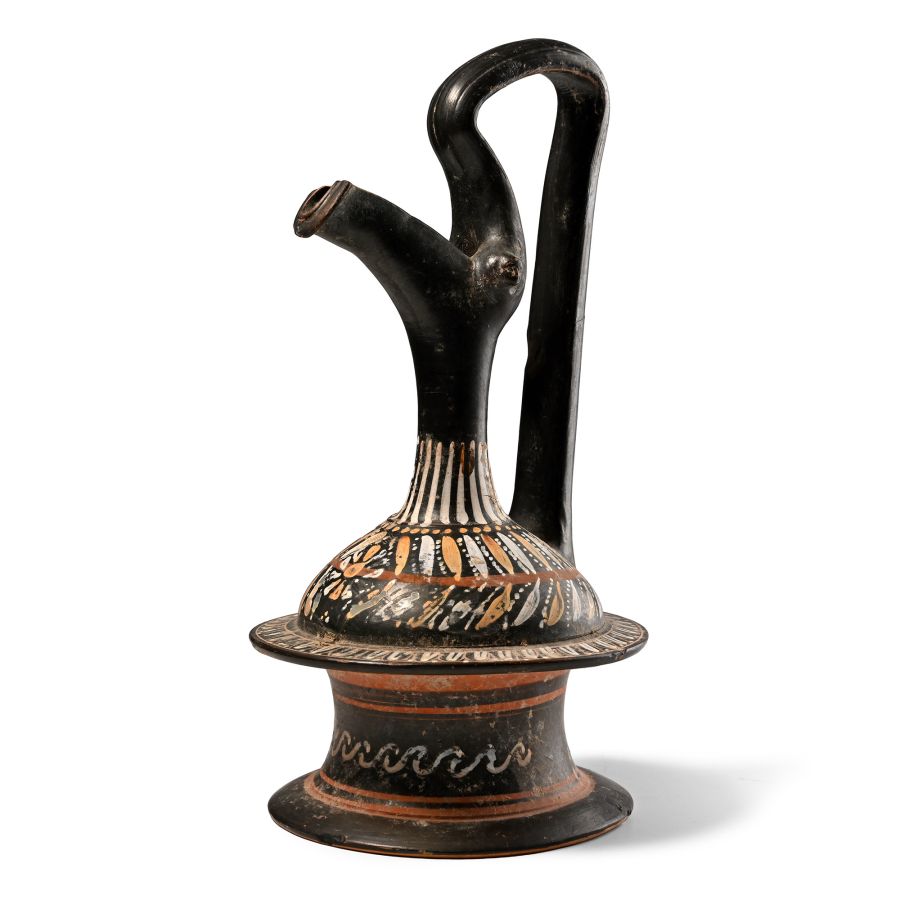
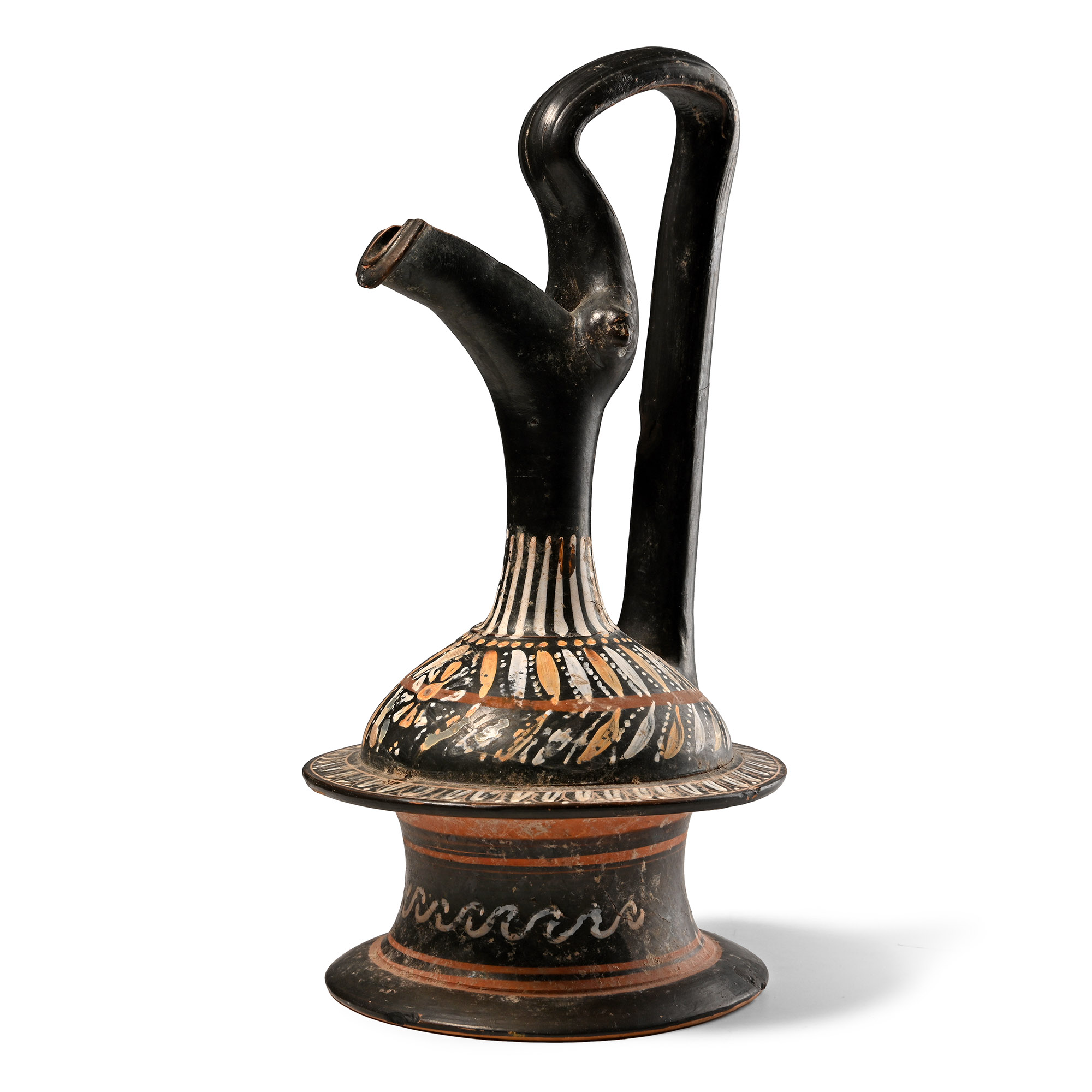
Greek Apulian Blackware Epichysis with Floral Design
MAGNA GRACIA, CIRCA 4TH CENTURY B.C.
7 1/4 in. (217 grams, 18.5 cm).
Blackware with spool base, domed upper face, tall neck with spout and strap handle to the rear; the spool with laurel-leaf band in white, the upper face with tendrils in cream and ochre. [No Reserve]
ProvenanceProperty of a private Rutland, UK, collector, formed from at least from the 1990s.
CONDITIONTimeLine Auctions follows a vetting process to ensure the authenticity and legality of all items, reinforcing our commitment to integrity and responsible trading. Each antiquity, antique, and coin lot undergoes thorough examination by a vetting committee of at least ten external specialists, professional trade association members, scientists, and archaeologists: Our Vetting Process
AUCTIONS:
TimeLine is a leading auction house specialising in antiquities, ancient art, collectables, natural history, coins, medals, and books. Our auctions offer museums, collectors, historians, and enthusiasts the opportunity to acquire unique and historically significant pieces.
-
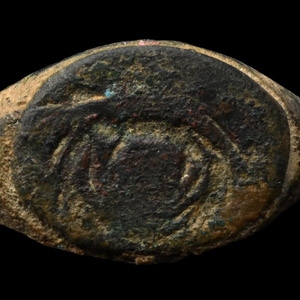
Greek Bronze Ring
Circa 5th-3rd century B.C.Sold for (Inc. bp): £78
D-section hoop and angled shoulders, wide oval bezel with incised motif. 6.78 grams, 26.56 mm overall, 20.04 x 15.50 mm internal diameter (approximate size British M, USA 6, Europe 12.46, Japan 12)
From the collection of a gentleman, acquired on the London art market in the 1990s. -
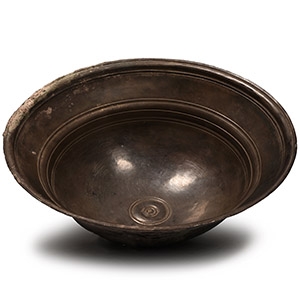
Hellenistic Decorated Silver Bowl
3rd century B.C.-1st century A.D.Sold for (Inc. bp): £2,340
With carinated profile, rolled rim, raised circumferential bands to the inner face and centre. 437 grams, 20 cm wide
cracked
Private Swiss collection, acquired 1999. Ex Surena collection, London, UK. Private European collection. This lot has been checked against the Interpol Database of stolen works of art and is accompanied by search certificate no.11617-199030. -
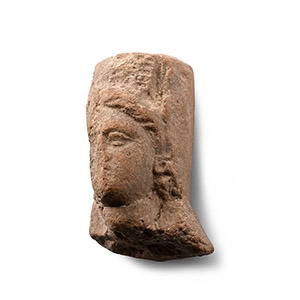
Greek Terracotta Head of a Goddess
5th-4th century B.C.Sold for (Inc. bp): £111
Moulded with piled hair and earring; from a Tanagra-type figure. 40.6 grams, 52 mm
Ex Amanda Barrie collection. From the property of a late Lincolnshire, UK, gentleman.
