
LOT 3366
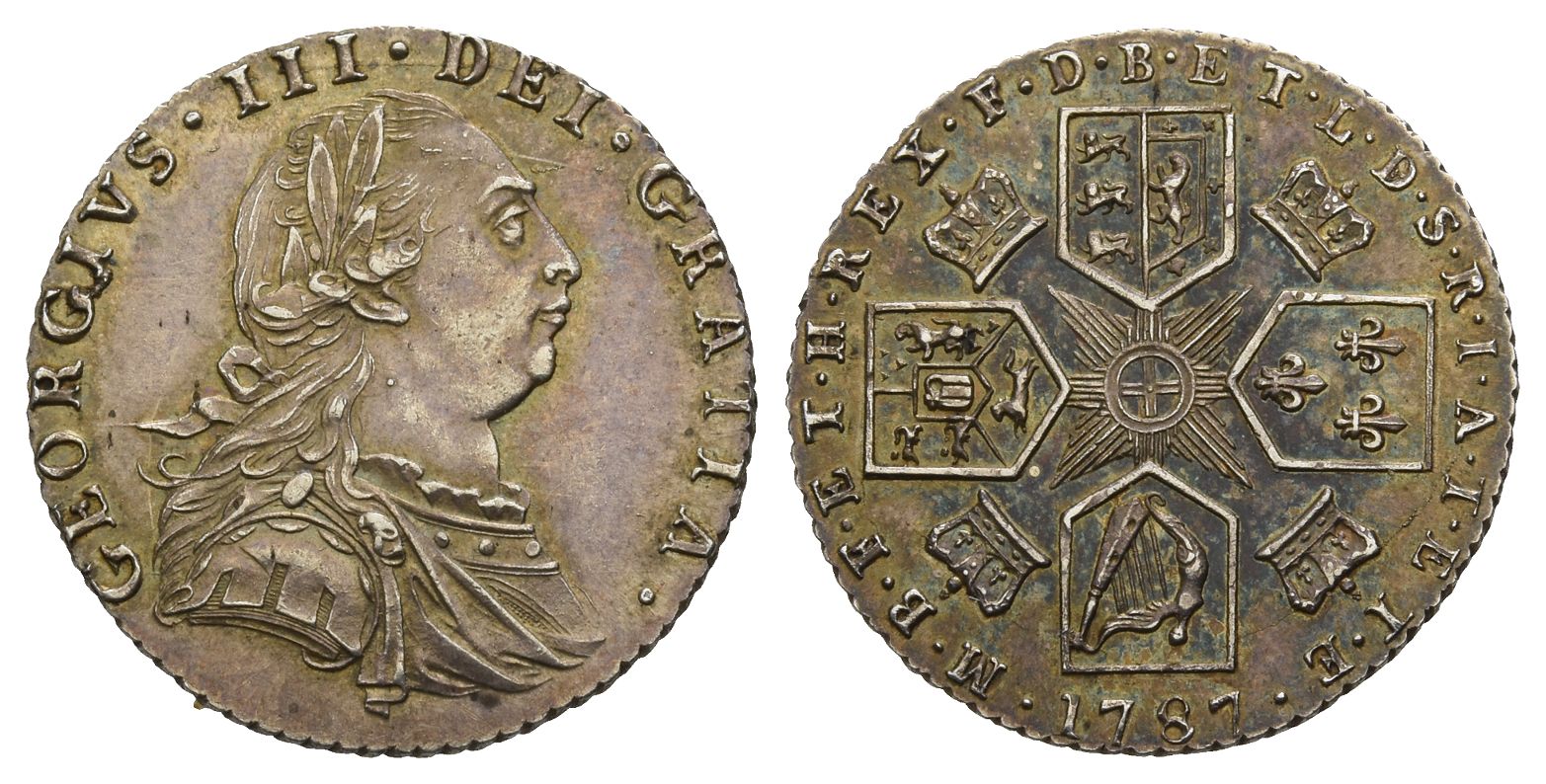
Great Britain. Hanover, George III AR Sixpence. 1760-1820.
Dated 1787. GEORGIVS • III • DEI • GRATIA •, laureate and cuirassed bust to right / M • B •F • ET • H • REX • F • D • B • ET • L • D • S • R • I • A • T • ET • E •, cruciform arms and crowns in angles (with hearts); date below. Bull 2190; ESC 1629; SCBC 3749. Extremely Fine.(3.02gr, 21mm, 12h.).
ProvenanceProperty of a Chester, UK, private collector.
TimeLine Auctions follows a vetting process to ensure the authenticity and legality of all items, reinforcing our commitment to integrity and responsible trading. Each antiquity, antique, and coin lot undergoes thorough examination by a vetting committee of at least ten external specialists, professional trade association members, scientists, and archaeologists: Our Vetting Process
AUCTIONS:
TimeLine is a leading auction house specialising in antiquities, ancient art, collectables, natural history, coins, medals, and books. Our auctions offer museums, collectors, historians, and enthusiasts the opportunity to acquire unique and historically significant pieces.
-
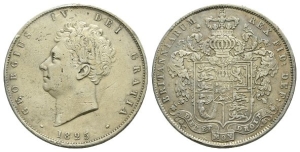
Great Britain. Hanover, George IV AR Halfcrown. 1820-1830.
Sold for (Inc. bp): £78
London mint. Dated 1825. GEORGIUS IV DEI GRATIA, bare head to left; date below; date below / BRITANNIARUM REX FID: DEF:, embellished shield of arms surmounted by crowned helmet; below on scroll the motto of the Garter, DIEU ET MON DROIT. SCBC 3809. 13.76gr, 32mm, 6h.
Very Fine.
Property of a Worcestershire, UK, collector. -
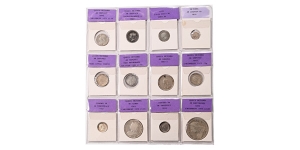
Group of Twelve [12] Great Britain, Victoria and Edward VII Coins. 19th-20th century AD.
Sold for (Inc. bp): £33
Various dates. 99gr total.
Condition as seen.
From the private collection of Kenneth Machin (1936-2020). -
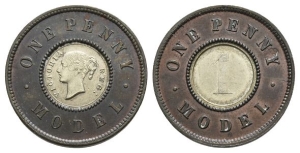
Great Britain. Hanover, Victoria BI Pattern Penny Model. 1837-1901.
Sold for (Inc. bp): £46
Struck 1844. Design by Joseph Moore. • ONE PENNY • MODEL •, head to left; VICTORIA before, REG: behind / • ONE PENNY • MODEL •, denomination in centre. TC 375285. 3.64gr, 22mm, 12h.
Very Fine.
From the private collection of a Yorkshire, UK, gentleman.
These model coins were issued by Joseph Moore between 1844 and 1848, when the Government was tentatively discussing plans to replace the heavy copper coinage then in circulation. They were produced in such large numbers, and became so popular with the public, that the Royal Mint had to make an official pronouncement stating that they were not responsible for their manufacture.
