
Loading, please wait...
LOT 1877
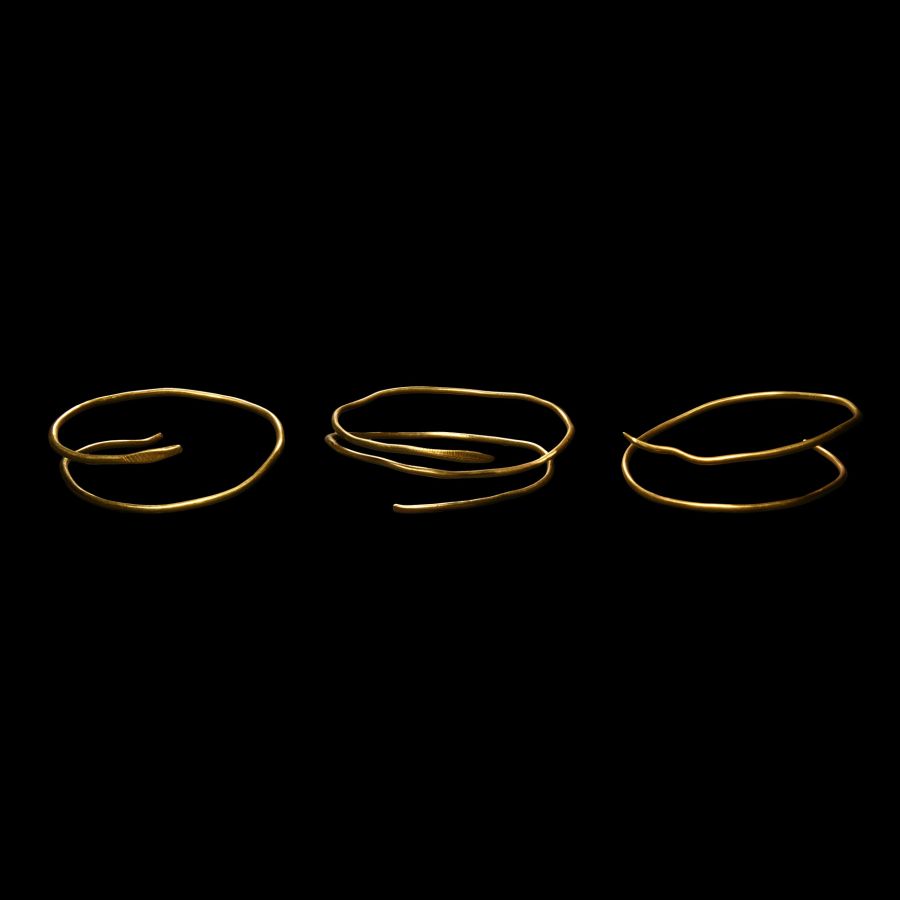
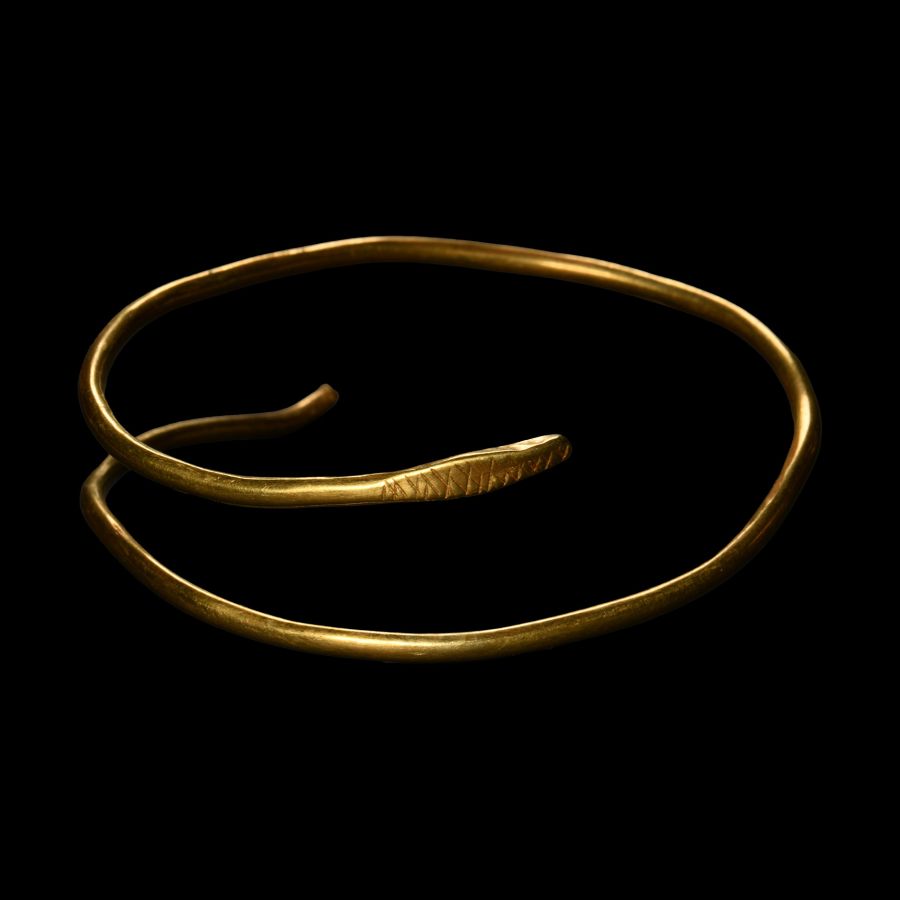
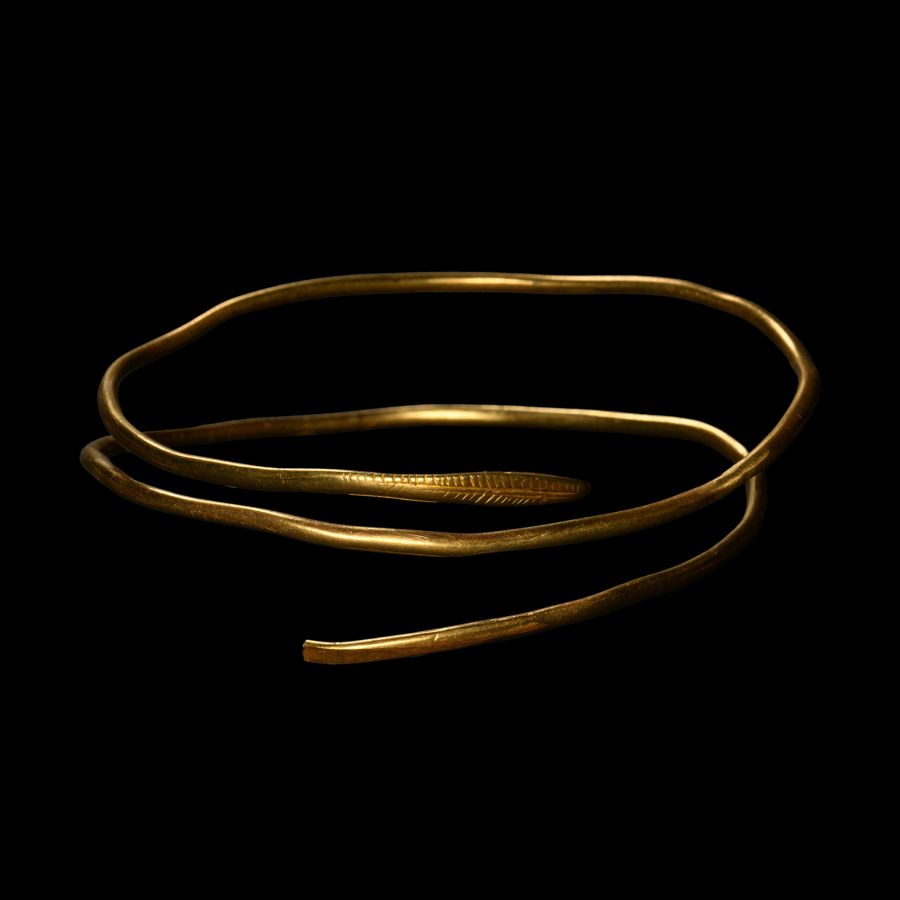
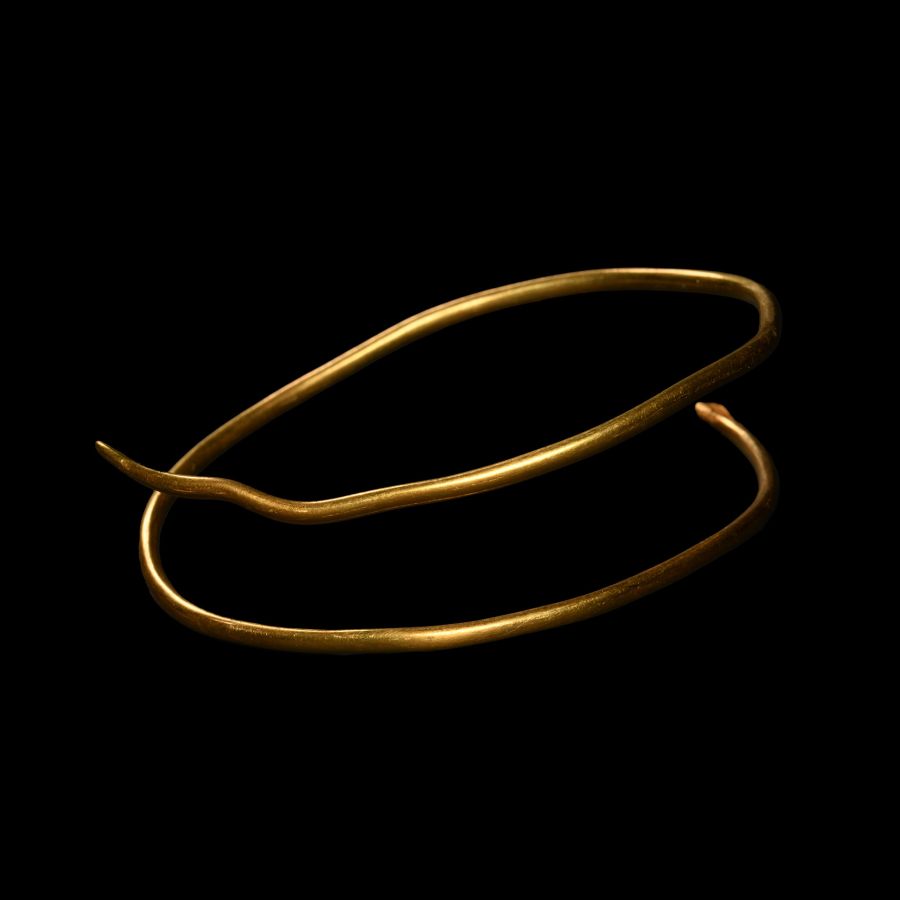
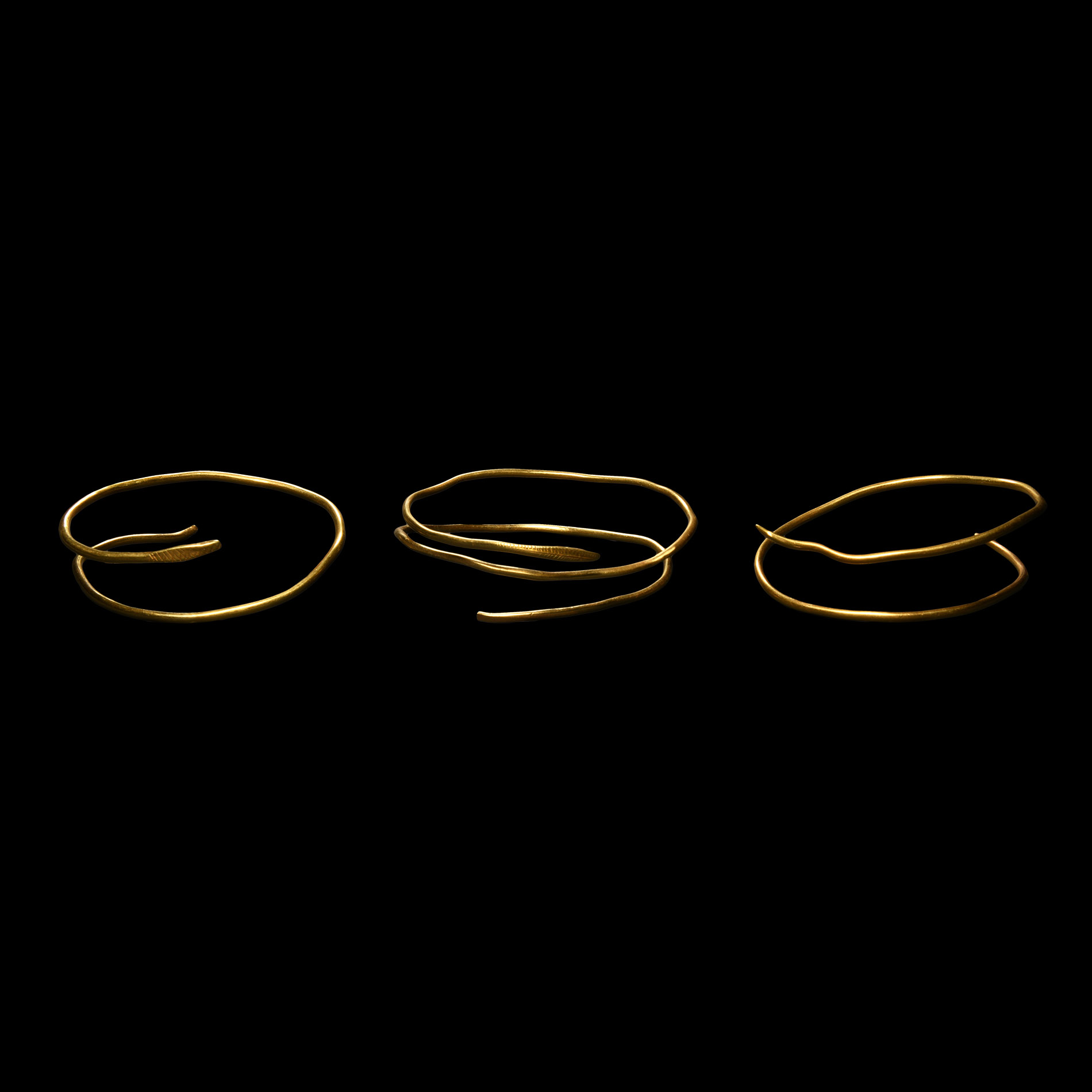
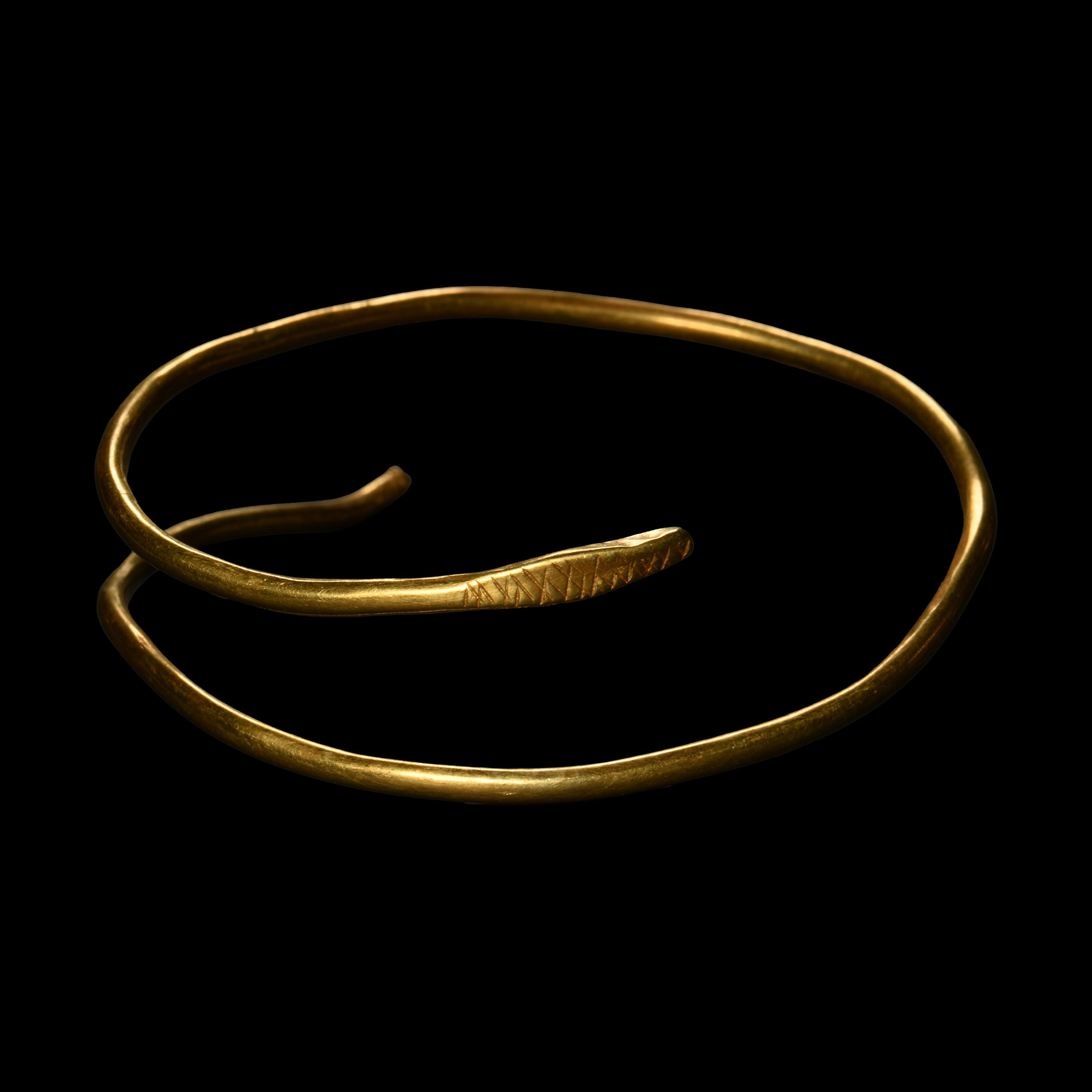
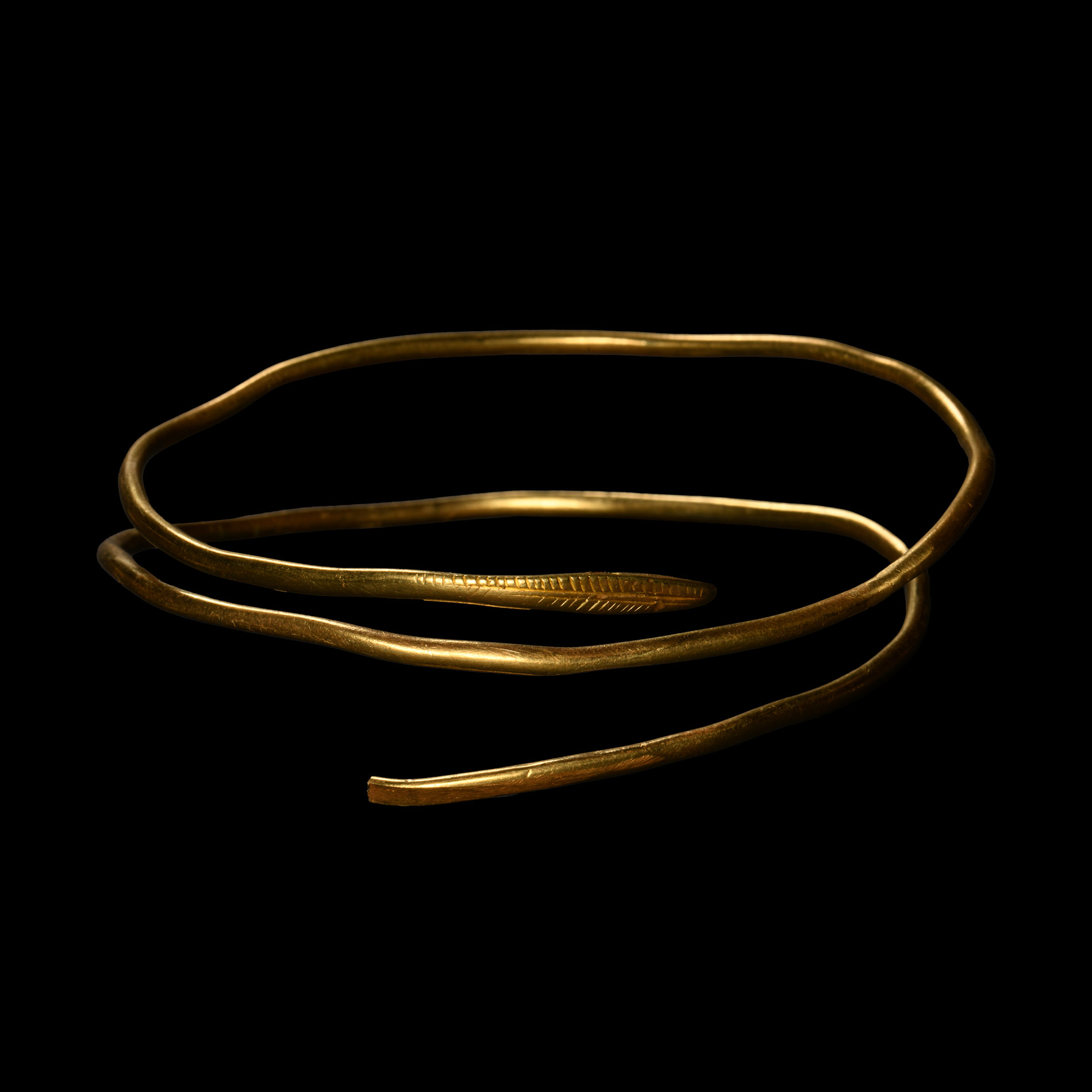
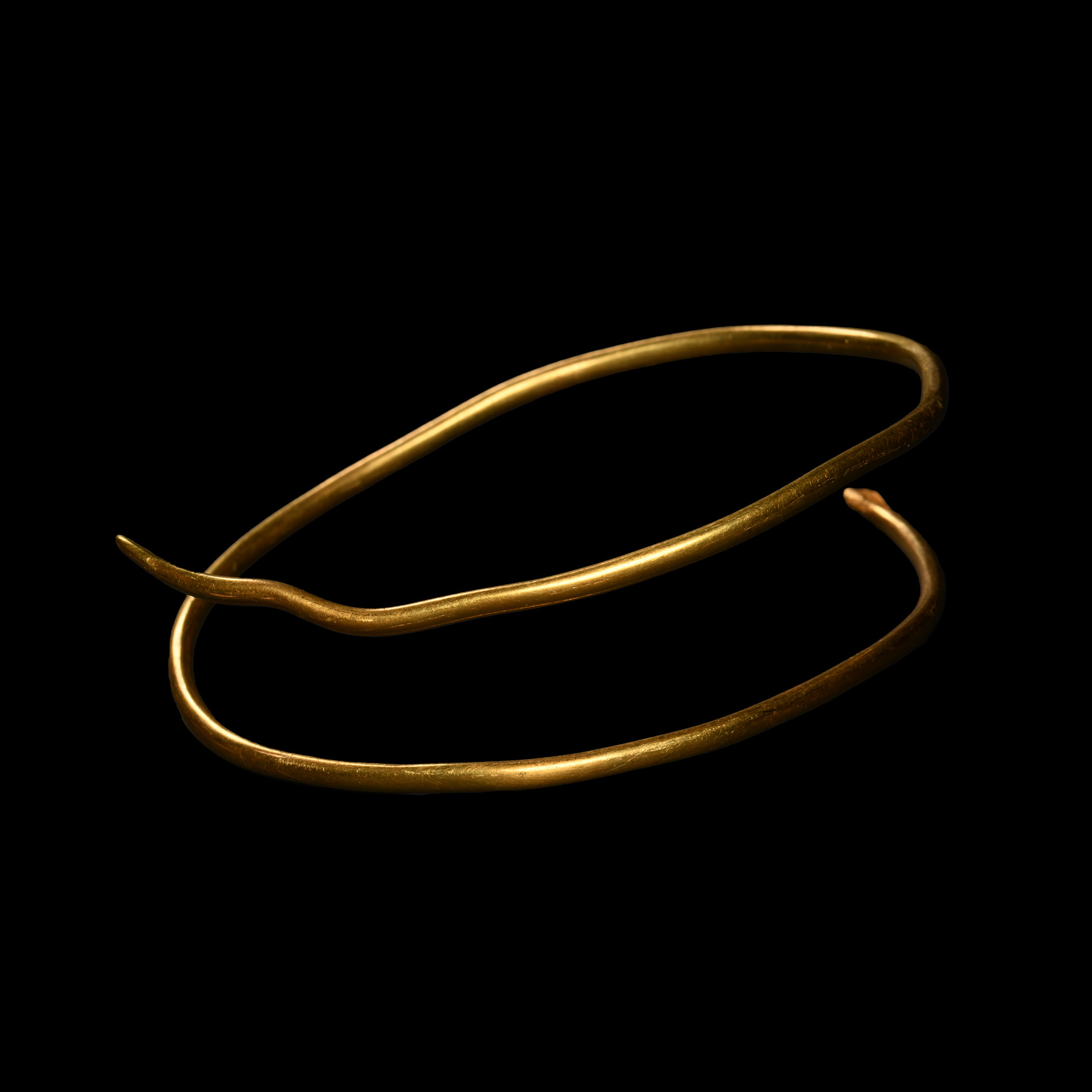
Gold Snake Bracelet Group
20TH CENTURY A.D. OR EARLIER
2 3/4 - 2 7/8 in. (72 grams total, 69-73 mm).
Comprising three coiled gold bracelets with stylised snake head detailing. [3]
ProvenanceFrom the collection of a North American gentleman, formed in the 1990s.
This lot has been checked against the Interpol Database of stolen works of art and is accompanied by search certificate number no.11888-200712.
TimeLine Auctions follows a vetting process to ensure the authenticity and legality of all items, reinforcing our commitment to integrity and responsible trading. Each antiquity, antique, and coin lot undergoes thorough examination by a vetting committee of at least ten external specialists, professional trade association members, scientists, and archaeologists: Our Vetting Process
AUCTIONS:
TimeLine is a leading auction house specialising in antiquities, ancient art, collectables, natural history, coins, medals, and books. Our auctions offer museums, collectors, historians, and enthusiasts the opportunity to acquire unique and historically significant pieces.
-
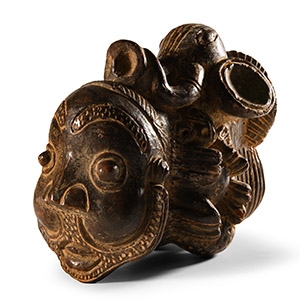
Pre-Columbian Style Pottery Figure
20th century A.D.Sold for (Inc. bp): £46
Hollow-formed grotesque figure with hatched an pointillé panels to the surface. 896 grams, 16.5 cm
Acquired between the 1960s-early 1990s. From an old UK private collector from Worthing, West Sussex, UK. Property of K.P., a Cornish lady collector, UK. -
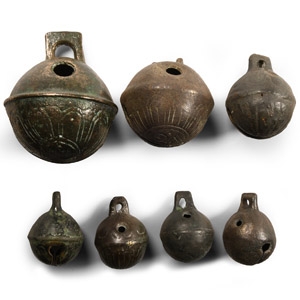
Post Medieval Bronze Crotal Bell Collection
Circa 17th-18th century A.D.Sold for (Inc. bp): £26
Including ribbed type, incised initials 'WG' and other types. 422 grams total, 39-65 mm
Acquired since the 1970s. From the private collection of a Surrey, UK, gentleman. -
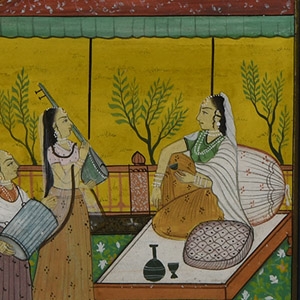
Framed Watercolour Painting
India, 20th century A.D.Sold for (Inc. bp): £20
Showing three female musicians beneath a canopy in a hilly landscape, gilt, red and green borders around the whole; set in a glazed wooden frame. 310 grams, 28.5 x 16.5 cm
Fine condition.
Acquired on the UK art market, 1980s-1990s. The Woodbridge collection of Indo-Persian art.
