
Loading, please wait...

LOT 1994
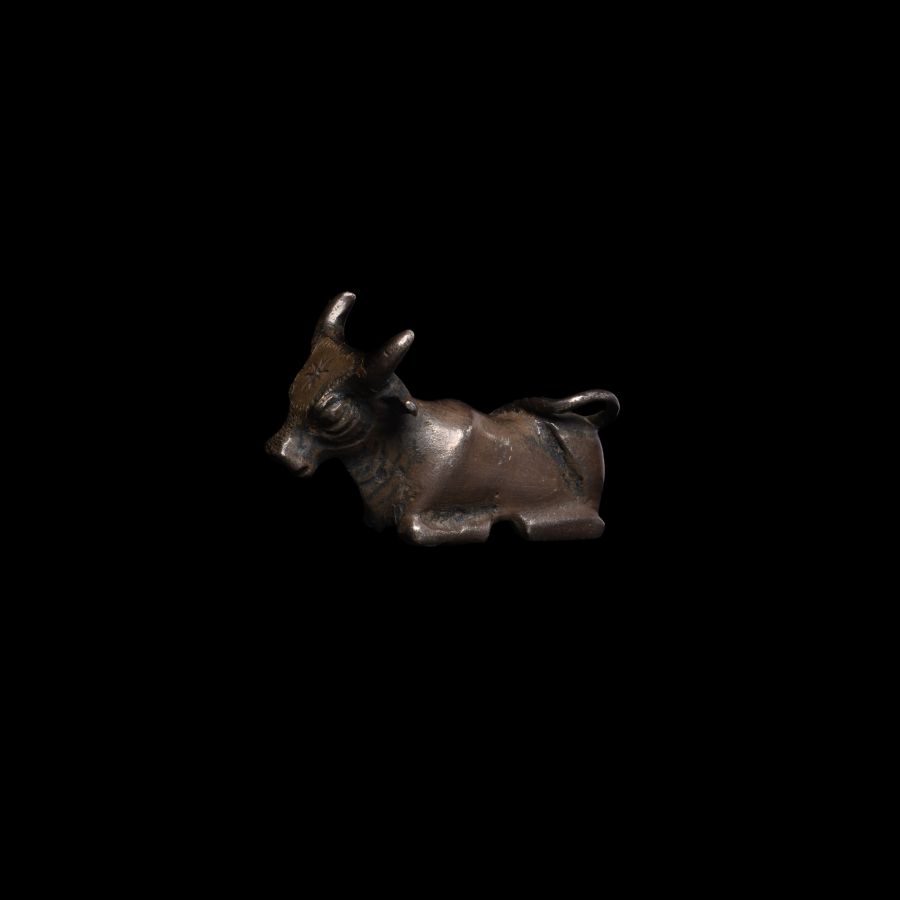
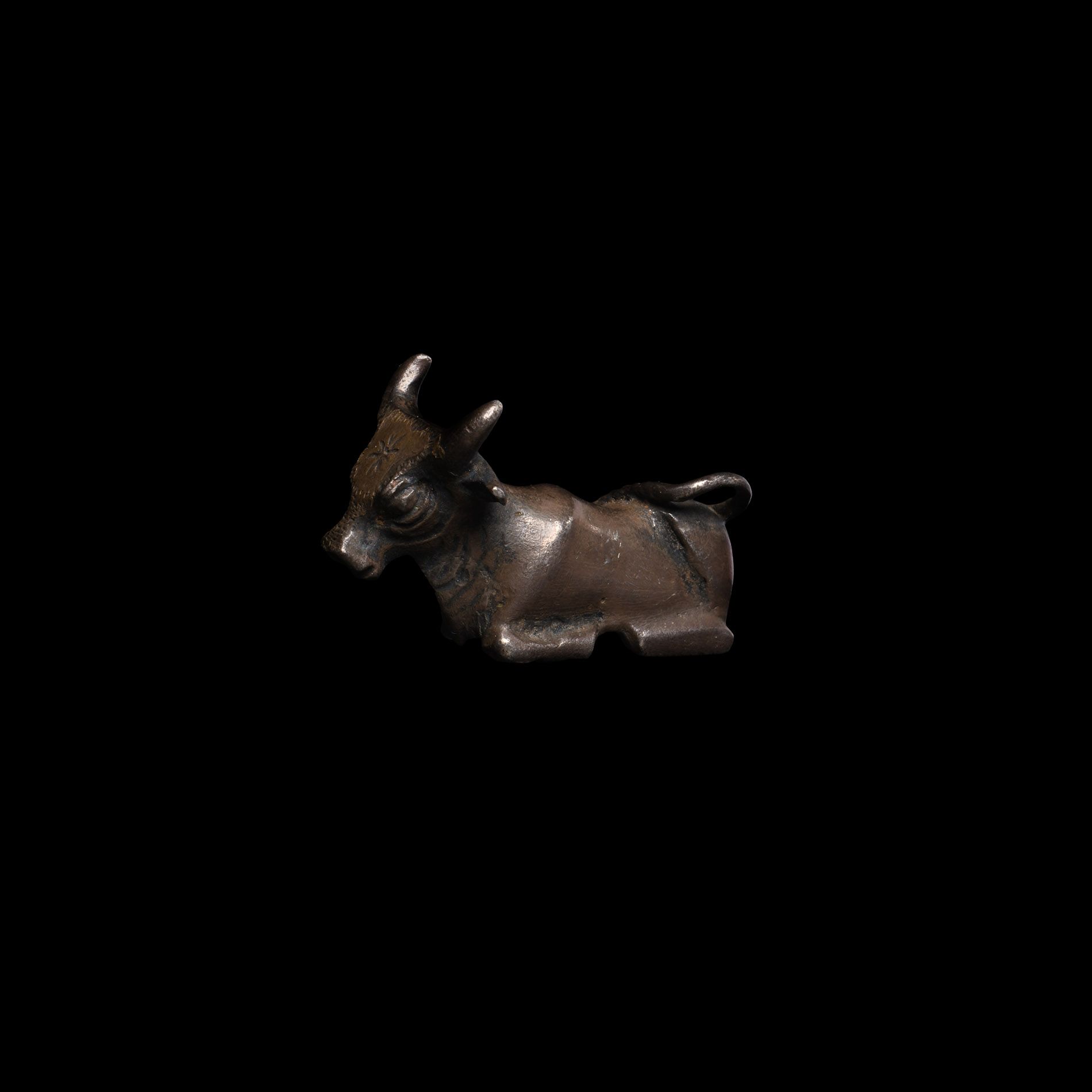
Gilt Silver Bull Statuette
19TH-20TH CENTURY A.D.
1 3/8 in. (20.8 grams, 36 mm).
Modelled in the round with swishing tail forming a loop, engraved anatomical and facial detailing; hollow-formed. [No Reserve]
ProvenanceFrom the collection of a North American gentleman, formed in the 1990s.
CONDITIONTimeLine Auctions follows a vetting process to ensure the authenticity and legality of all items, reinforcing our commitment to integrity and responsible trading. Each antiquity, antique, and coin lot undergoes thorough examination by a vetting committee of at least ten external specialists, professional trade association members, scientists, and archaeologists: Our Vetting Process
AUCTIONS:
TimeLine is a leading auction house specialising in antiquities, ancient art, collectables, natural history, coins, medals, and books. Our auctions offer museums, collectors, historians, and enthusiasts the opportunity to acquire unique and historically significant pieces.
-
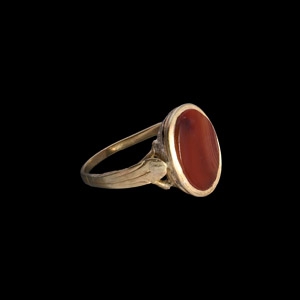
Early Georgian Gold Ring with Gemstone
Early 18th century A.D.Estimate: £550 - 750 (+bp*)
Opening Bid: £300
Composed of a slender hoop expanding at the arms, oval-shaped cushion bezel set with a cut and polished carnelian gemstone, fluting to the reverse of the bezel, saltires and crescents to the hoop. 5.20 grams, 23.18 mm overall, 19.36 mm internal diameter (approximate size British P 1/2, USA 7 3/4, Europe 16.86, Japan 16)
Fine condition.
Acquired 1960s-1990s. Late Alison Barker collection, a retired London barrister. -
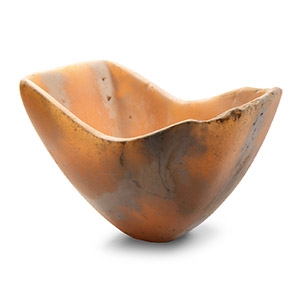
Bactrian Style Alabaster Bowl
20th century A.D.Estimate: £100 - 140 (+bp*)
Opening Bid: £50
Rectangular in plan with crescent profile, flat base and rim. 1.5 kg, 17.5 cm
Property of a North London, UK, gentleman. -
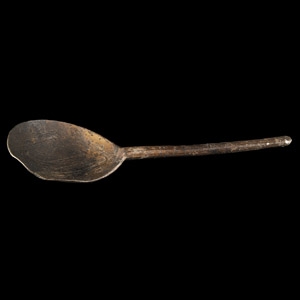
Post Medieval 'Thames' Pewter Slip Top Spoon with M B
Circa 17th century A.D.Sold for (Inc. bp): £20
Comprising a shallow ovoid bowl with facetted stem; bowl interior stamped with maker's mark 'M B' and with wriggle work. 71 grams, 17 cm
Found Thames foreshore spoil, 1980s.
