
Loading, please wait...
LOT 1052
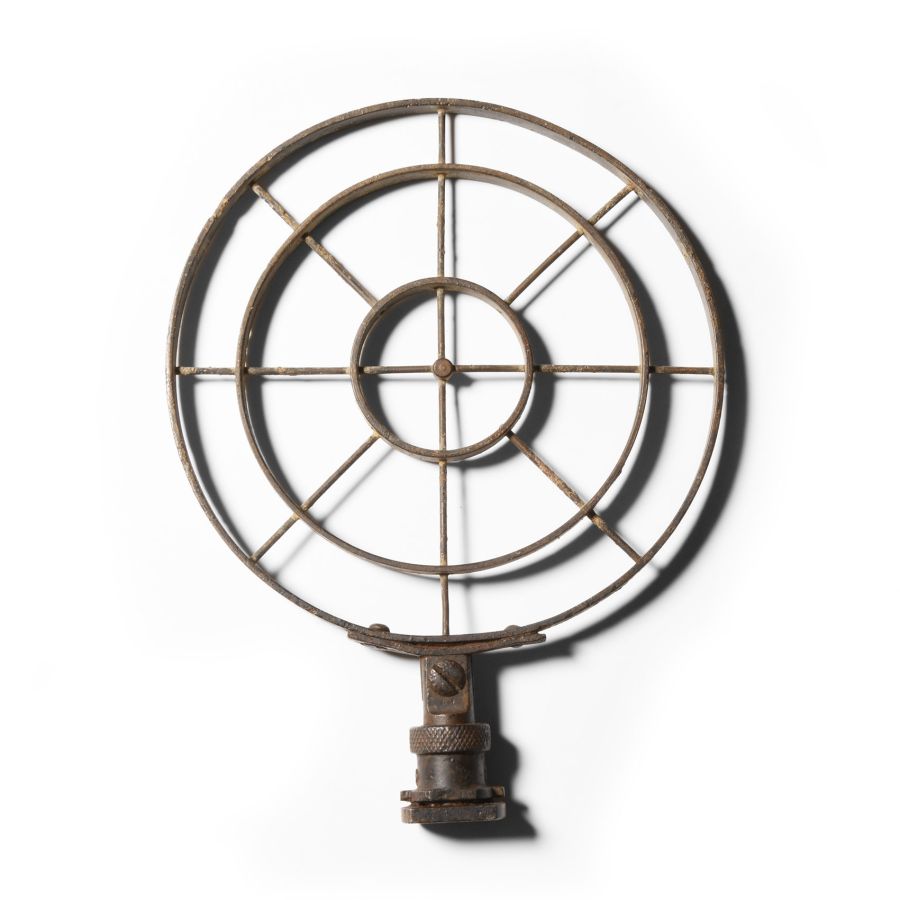
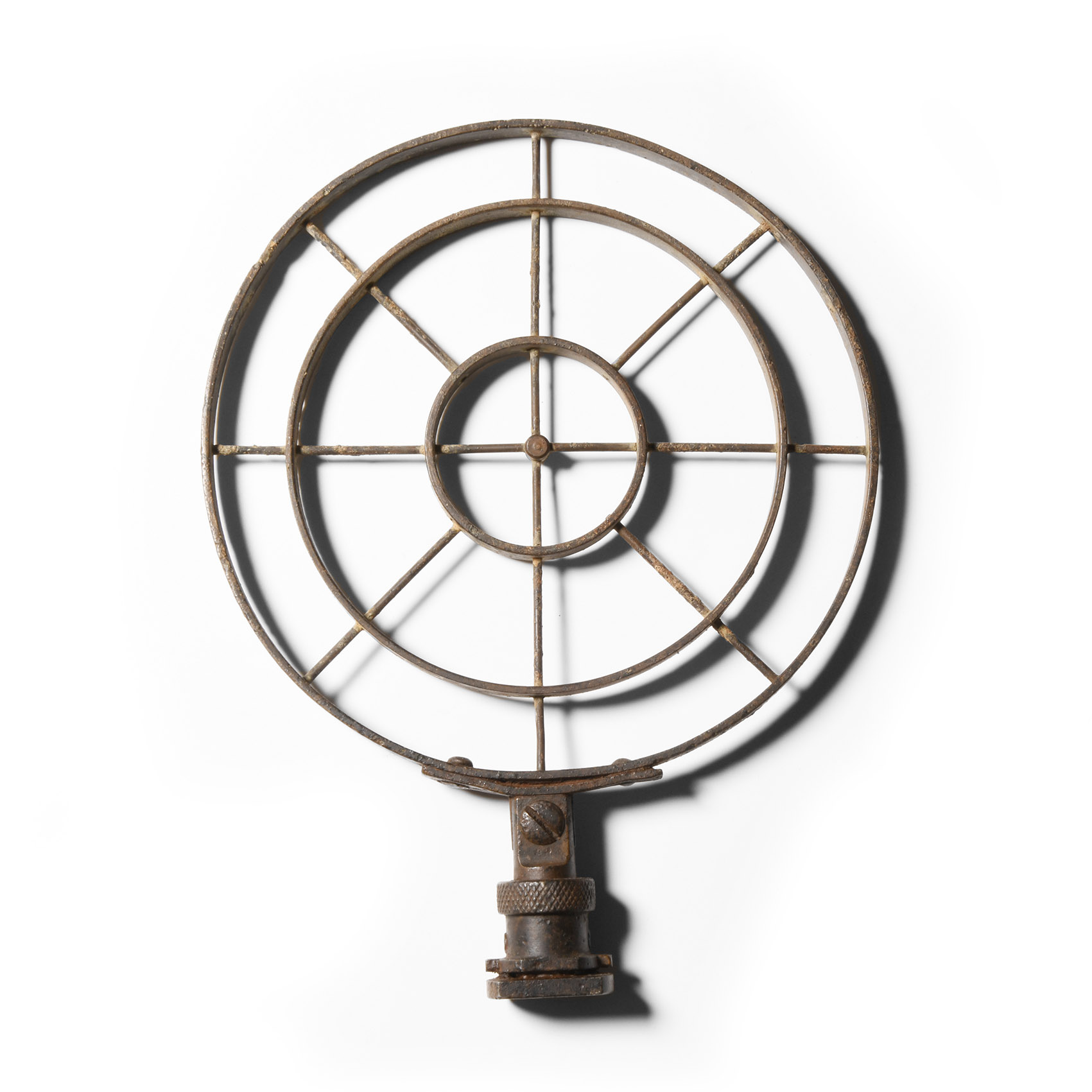
German WWII MG34 Anti-Aircraft Gun Sight
1939-1945 A.D.
5 1/2 in. (80 grams, 14 cm).
Steel gunsight with three rings and cross-wires and pillar mount to fit the MG34 general purpose machine gun.
ProvenanceAcquired from RJ Militaria, UK.
The Kusmirek Collection, UK.
Accompanied by a copy of the listing and an image.
TimeLine Auctions follows a vetting process to ensure the authenticity and legality of all items, reinforcing our commitment to integrity and responsible trading. Each antiquity, antique, and coin lot undergoes thorough examination by a vetting committee of at least ten external specialists, professional trade association members, scientists, and archaeologists: Our Vetting Process
AUCTIONS:
TimeLine is a leading auction house specialising in antiquities, ancient art, collectables, natural history, coins, medals, and books. Our auctions offer museums, collectors, historians, and enthusiasts the opportunity to acquire unique and historically significant pieces.
-
.jpg)
Post Medieval Iron Socketted Spearhead
18th-19th century A.D.Sold for (Inc. bp): £33
Composed of a tapering tubular socket and short triangular blade. 158 grams, 28.5 cm
Fair condition.
Acquired on the UK art market before 1980. Private British collection 1980. Private collection of a Devonshire, UK, collector. -
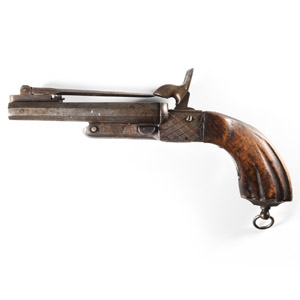
Pinfire Doubled-Barrelled Pistol with Bayonet
19th century A.D.Sold for (Inc. bp): £260
With 11cm (4½") side-by-side double barrel hinged for loading/extraction, fitted with hinged bayonet to top, folding triggers, with wood butt and steel but cap with lanyard ring; action working. 505 grams, 22.5 cm
Acquired on the UK market. Property of a Kent collector.
Sold as an exempt item under Section 58 (2) of the Firearms Act, 1968, to be held as a curiosity or ornament. No license required but buyer must be over 18 years of age. Overseas bidders should note that, due to UK regulations governing export of all firearms, overseas buyers will need to make arrangements for shipping this lot out of the UK directly, by air freight, with a specialist company or agent. -
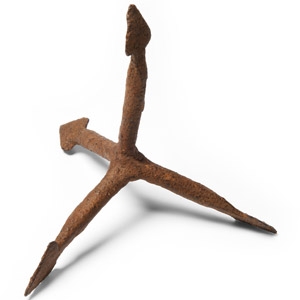
Roman Iron Anti-Cavalry Caltrop
3rd-4th century A.D. or laterSold for (Inc. bp): £195
Composed of four arms tipped with triangular spikes. 29 grams, 86 mm
Acquired on the German art market around 2000. From the collection of Surrey, UK, gentleman.
Caltrops were scattered on battlefields in an effort to stop or slow advancing enemy cavalry or foot soldiers; regardless of how a caltrop lands, one spike is always facing upwards. Caesar used widely them at Alesia (Caes., BG 7.73; 82): 'Stakes a foot long, with iron hooks attached to them, were entirely sunk in the ground before these, and were planted in every place at small intervals; these they called spurs'.
