
Loading, please wait...
LOT 1892
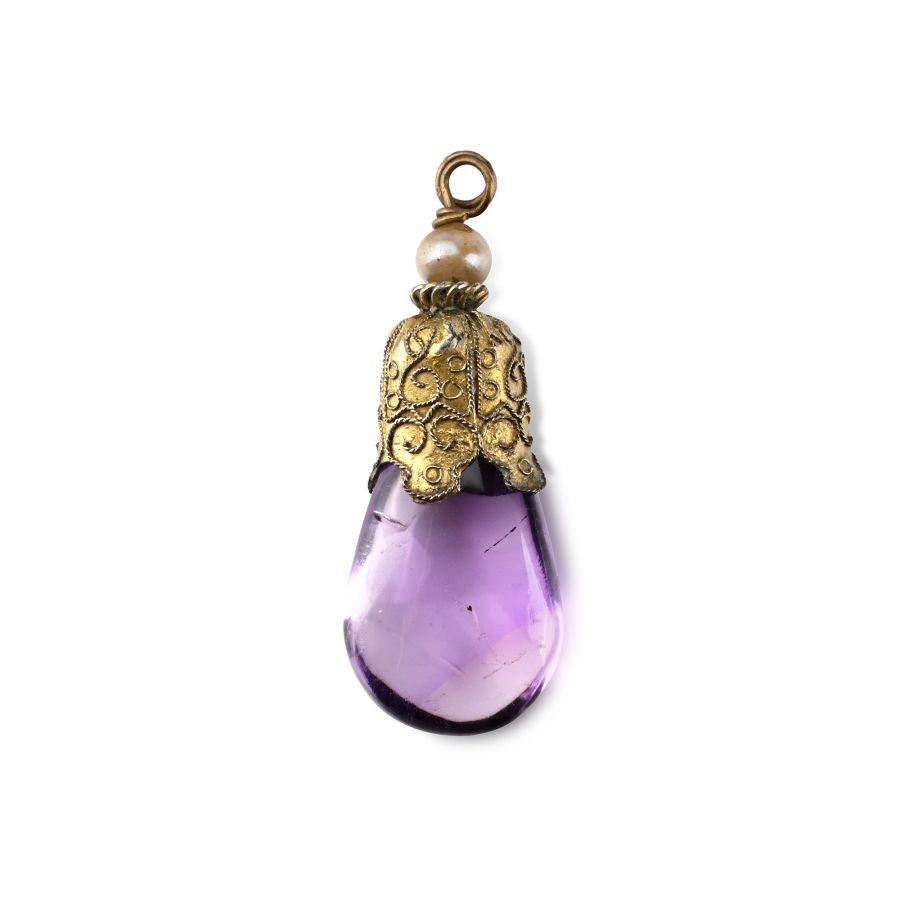
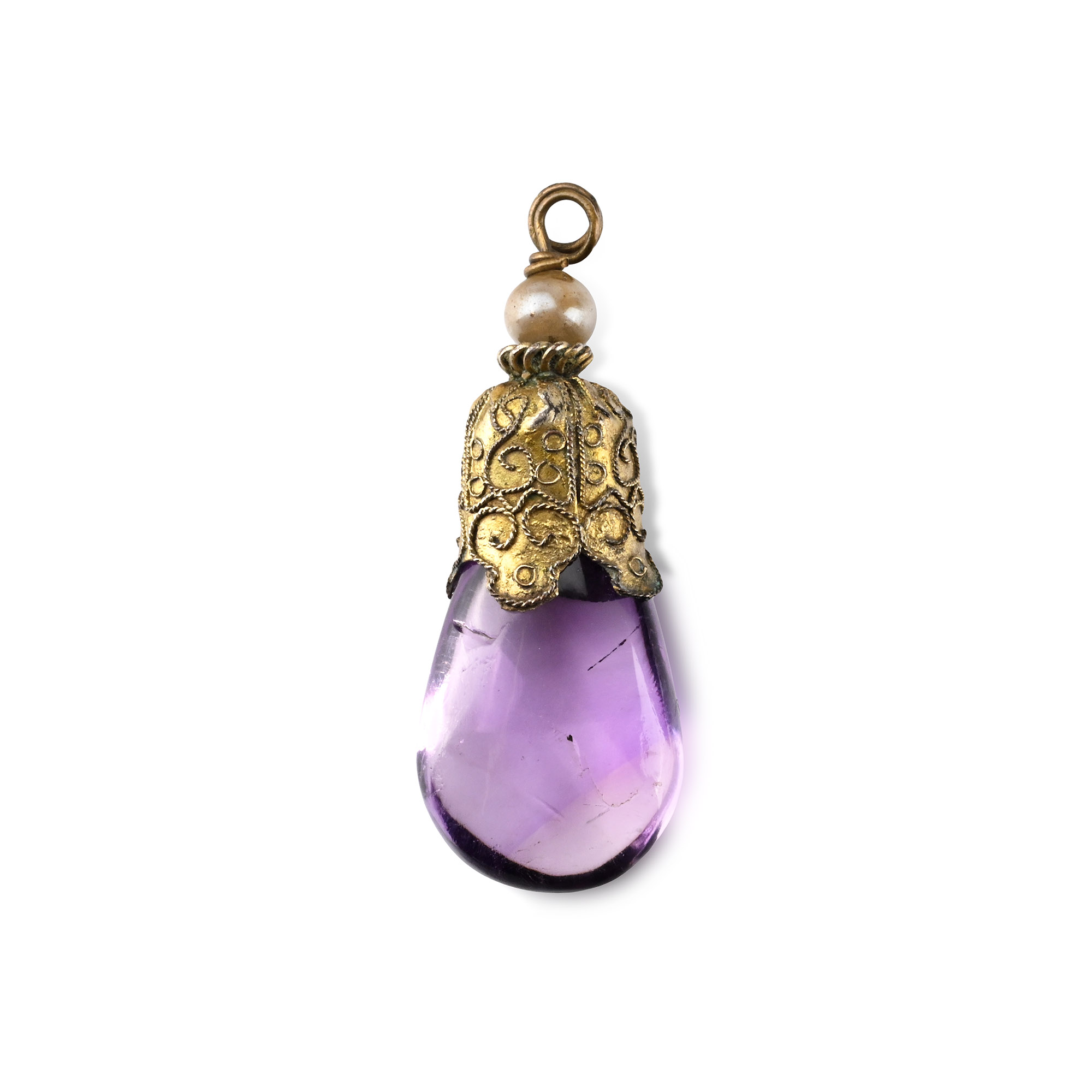
Georgian Silver-Gilt Pendant with Amethyst and Pearl
18TH CENTURY A.D.
1 3/8 in. (3.27 grams, 35.6 mm).
Comprising a bell-shaped mount with applied filigree tendrils to the sidewall, ropework collar supporting a pearl bead with coiled loop above; inset teardrop amethyst below. [No Reserve]
ProvenanceFrom the collection of a West London, UK, collector.
CONDITIONTimeLine Auctions follows a vetting process to ensure the authenticity and legality of all items, reinforcing our commitment to integrity and responsible trading. Each antiquity, antique, and coin lot undergoes thorough examination by a vetting committee of at least ten external specialists, professional trade association members, scientists, and archaeologists: Our Vetting Process
AUCTIONS:
TimeLine is a leading auction house specialising in antiquities, ancient art, collectables, natural history, coins, medals, and books. Our auctions offer museums, collectors, historians, and enthusiasts the opportunity to acquire unique and historically significant pieces.
-
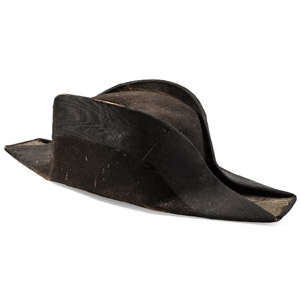
Imperial German Naval Officer's Hat by W. Lucas Hoflieferant Berlin
19th century A.D.Sold for (Inc. bp): £72
Cocked hat with maker's badge inside. 172 grams, 38.5 cm
From the private collection of author and historian Dr DeWitt Bailey, one of the global authorities on the confederate army in the US civil war; thence by descent to his grandson. -
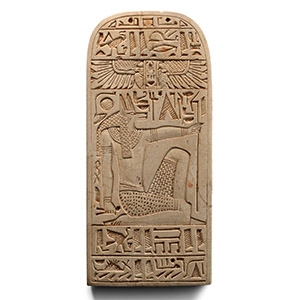
Egyptian Reproduction Tablet with Anubis
20th century A.D.Sold for (Inc. bp): £234
Tongue-shaped unifacial tablet with guilloche to the rim; horizontal bands of cuneiform framing profile image of Anubis seated with hand extended, holding a was sceptre; winged scarab above. 6.85 grams, 21 cm
From a private Tyneside collection, formed since the early 2000s. -

Russian Bronze Travel Icon with Madonna and Child
Circa 18th century A.D.Sold for (Inc. bp): £52
Depicting the Mother of God of Kazan with the Divine Child; the head of Mary slightly turned left towards infant Jesus extending his right hand in blessing; both figures with large haloes and identifying Greek inscriptions 'ΜΡ ΘΥ' (Mother of God) and 'O Ѡ N' (I am); three flowers in the nimbus of the Virgin; knop at the top for the suspension. 34.3 grams, 59 mm
Acquired from Chris Martin-Zakheim, Iconastas, 5 Piccadilly Arcade, London SW1. From the private collection of a West London, UK, gentleman, formed since the early 2000s.
The original icon prototype of these smaller icons, also known as the Theotokos of Kazan, is thought to have originated in Constantinople in the 13th century before it was taken to Russia. When the Turks took over Kazan in 1438, the icon was most probably hidden to keep it safe. Ivan the Terrible liberated Kazan in 1552, and the town was destroyed by fire in 1579, after which the icon was found and brought to the Church of Saint Nicholas. It was subsequently stolen in 1904 and never found again, though there are many copies in existence.
