
Loading, please wait...
LOT 2059
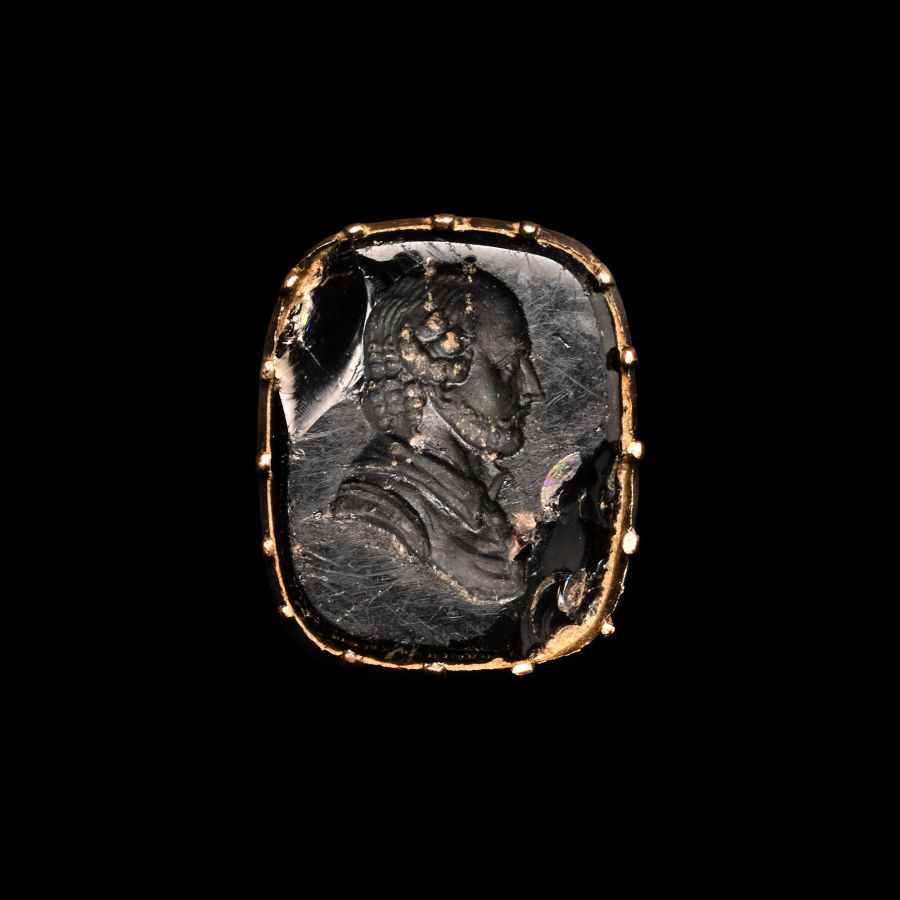
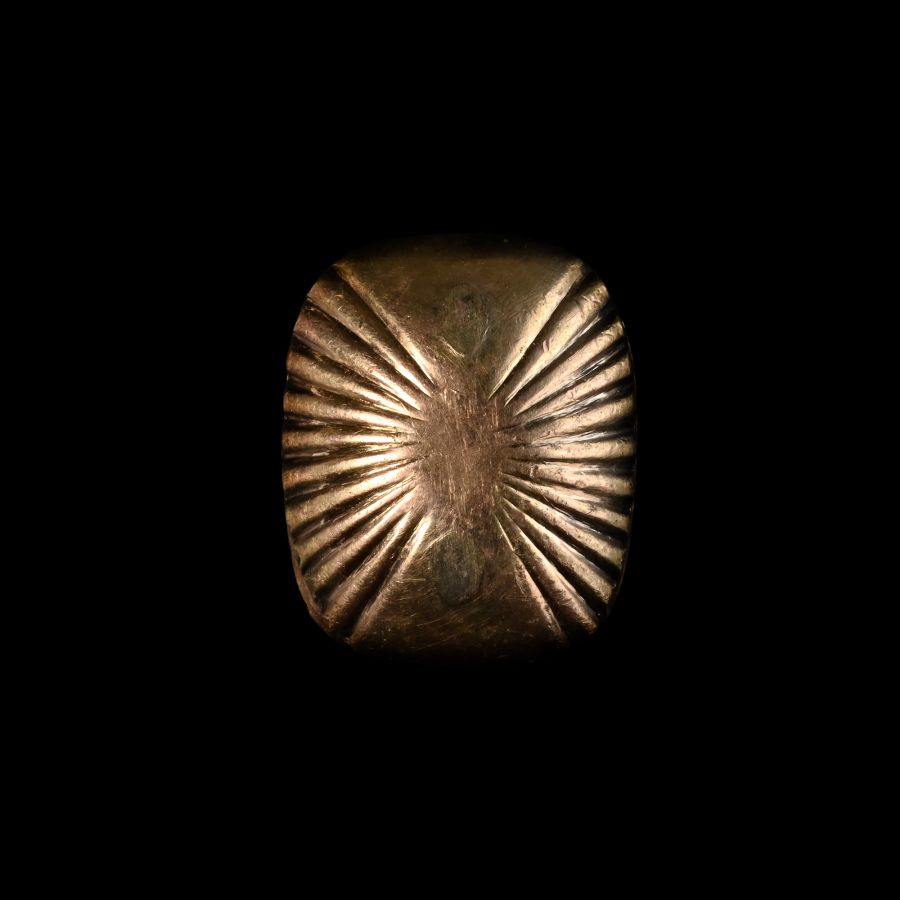
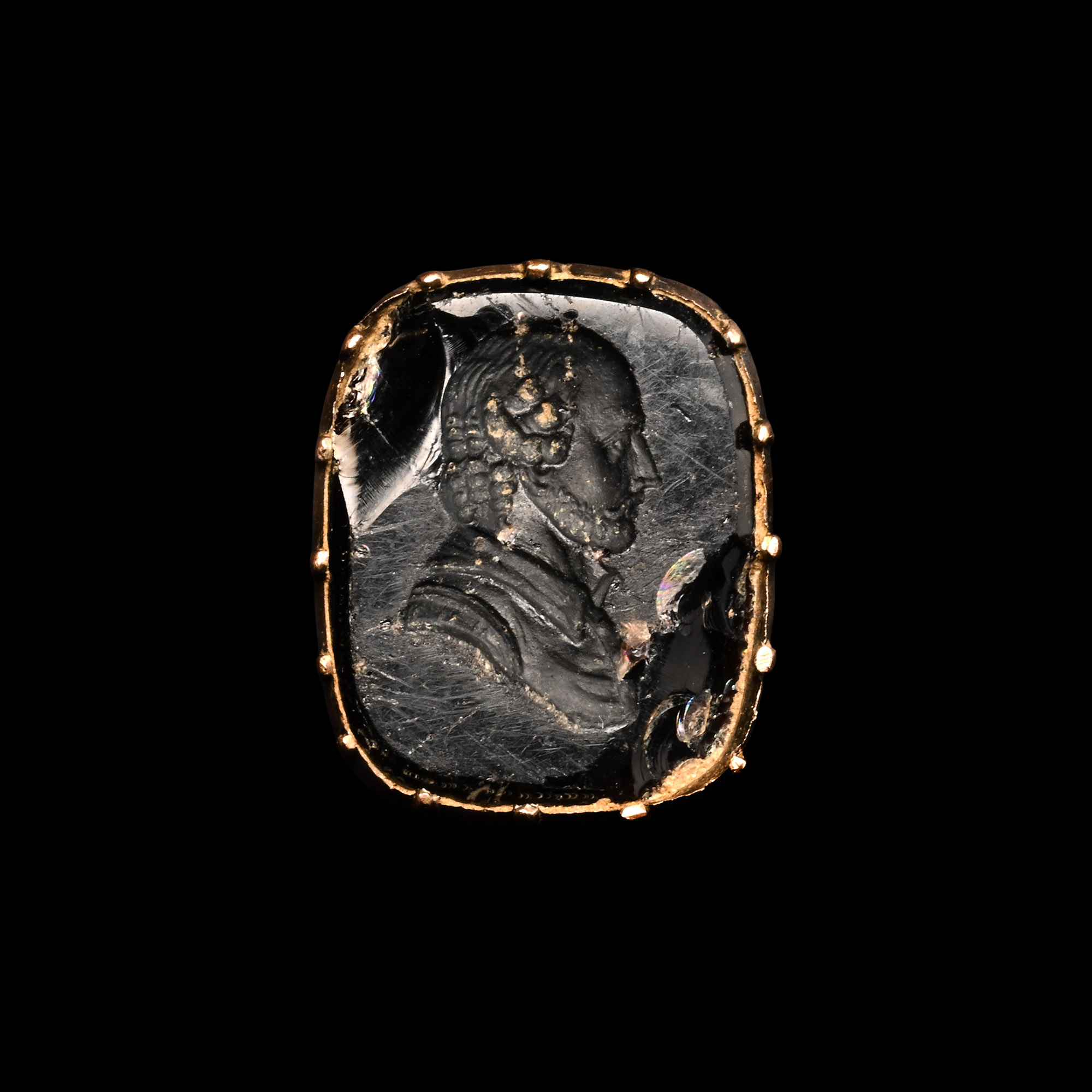
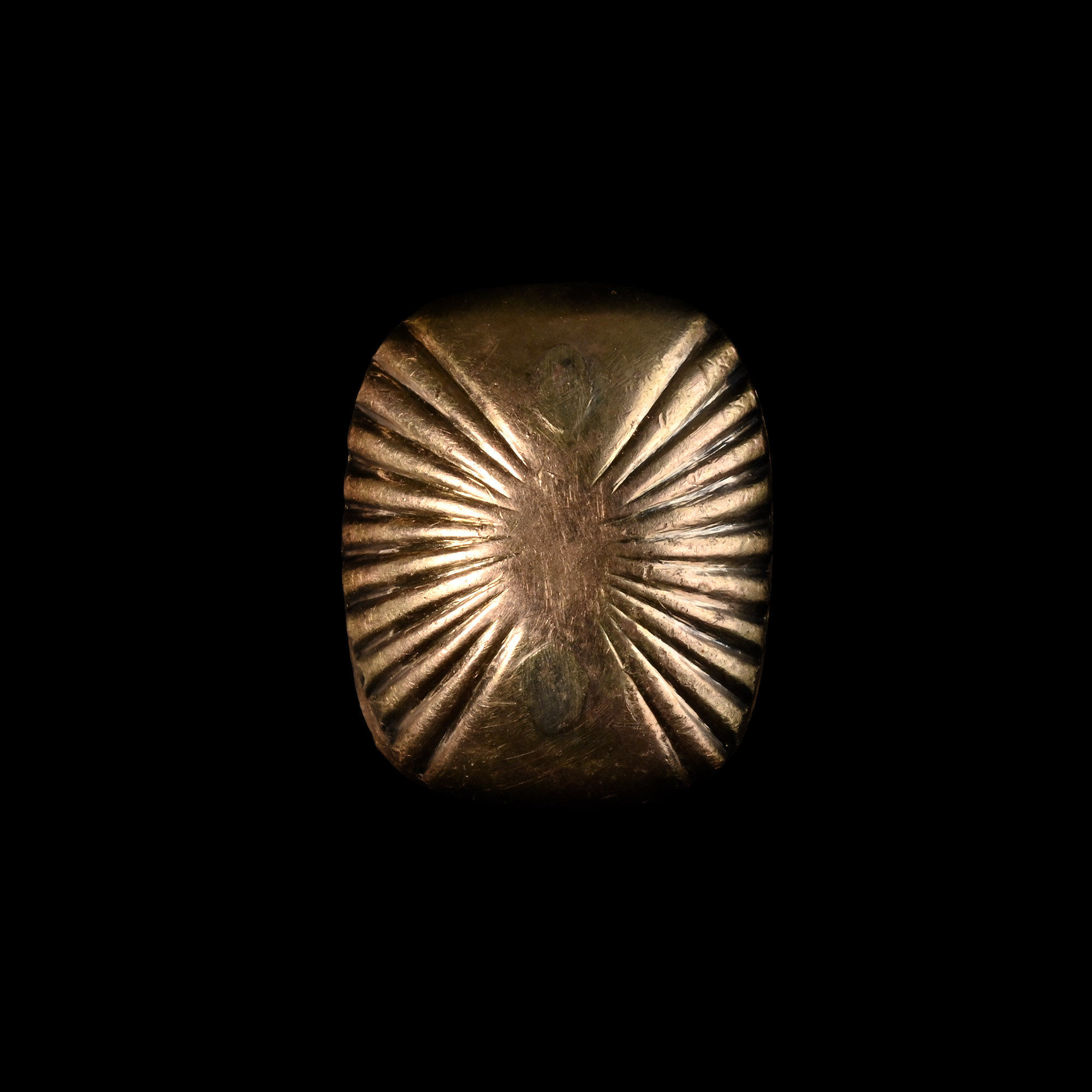
George III Gold Fob Seal Base with Portrait Intaglio
1727-1760 A.D.
5/8 in. (3.67 grams, 16.3 mm).
Rectangular cell with claw setting, fluted panels to underside; inset intaglio portrait bust of a bearded gentleman with fashionable silk collar and gorget. [No Reserve]
ProvenanceFound Clanfield, Petersfield, East Hampshire, UK, on 5th August 2017.
CONDITIONTimeLine Auctions follows a vetting process to ensure the authenticity and legality of all items, reinforcing our commitment to integrity and responsible trading. Each antiquity, antique, and coin lot undergoes thorough examination by a vetting committee of at least ten external specialists, professional trade association members, scientists, and archaeologists: Our Vetting Process
AUCTIONS:
TimeLine is a leading auction house specialising in antiquities, ancient art, collectables, natural history, coins, medals, and books. Our auctions offer museums, collectors, historians, and enthusiasts the opportunity to acquire unique and historically significant pieces.
-
Large Marble Standing Nymph on a Stand
20th century A.D.Sold for (Inc. bp): £124
Showing a standing nude nymph with her arms elegantly raised and head tilted back exposing her neck, content expression on her relaxed face and mouth held slightly open showing her top teeth; a see-through garment wrapped around her waist; standing atop a fluted pillar with a floral wreath to the top. 81 kg total, 193 cm
Private collection, London. -
Medieval and Later Iron Billhook Collection
14th-18th century A.D.Sold for (Inc. bp): £46
Each with a hooked mounting spike, broad curved blade sharpened on the inner edge. 260 grams total, 17-22 cm
From the property of a late Lincolnshire, UK, gentleman. -
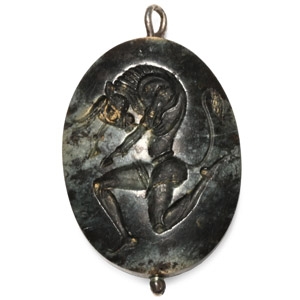
Post Medieval Gemstone with Herakles
18th-19th century A.D.Sold for (Inc. bp): £1,950
Ellipsoid in plan and lentoid in section with silver mounting pin and loop; obverse with incuse scene of Herakles kneeling, grappling with the Cretan bull. 11.67 grams, 41 mm
Private collection, UK.
