
Loading, please wait...
LOT 0842
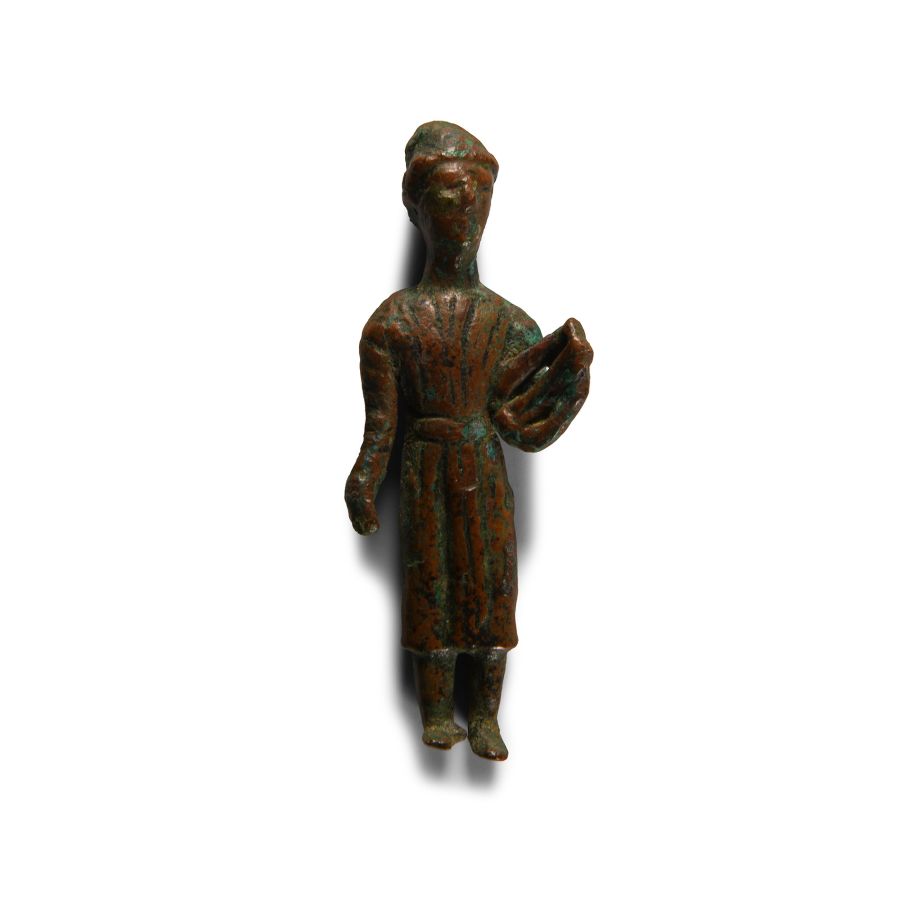
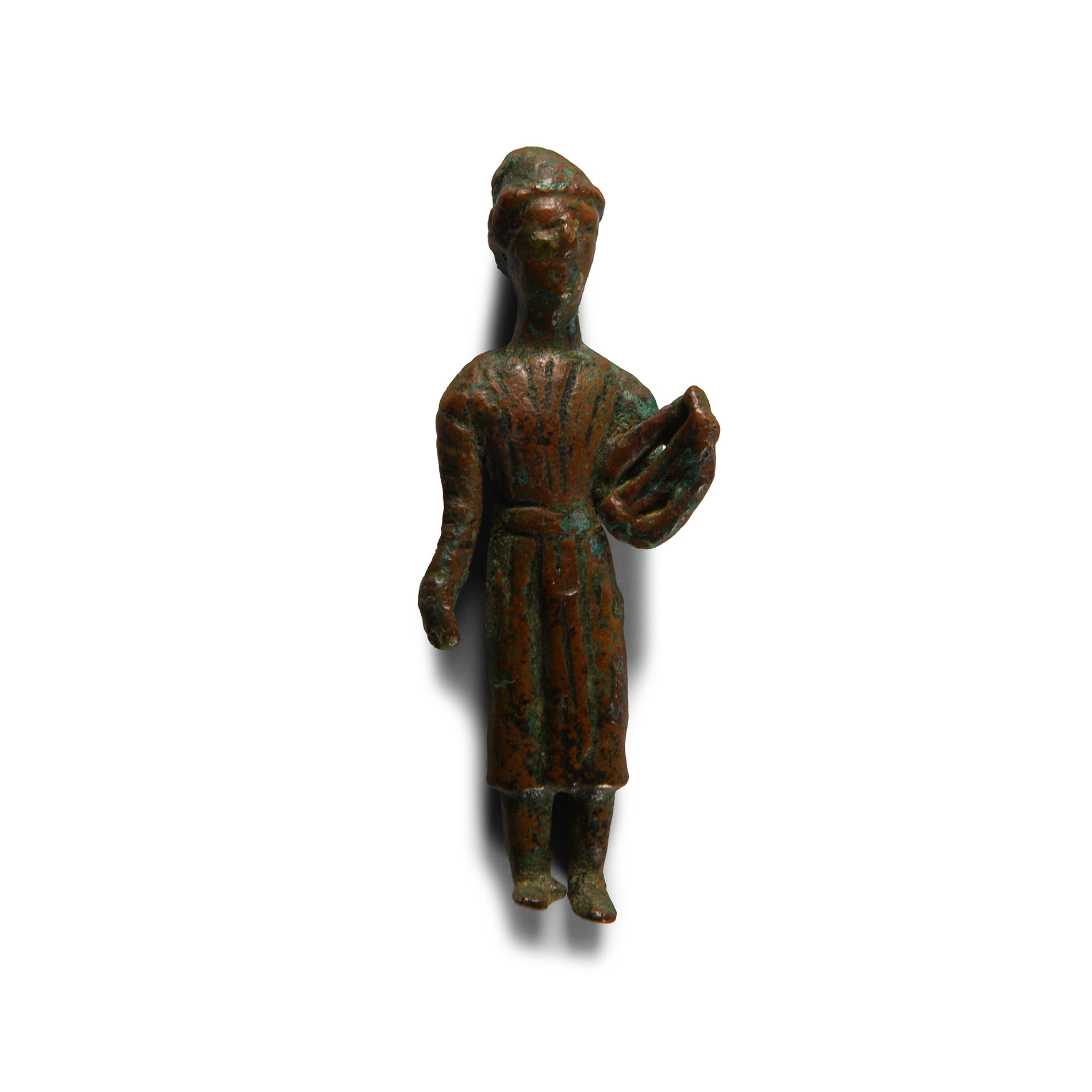
Gallo-Roman Bronze Statuette of a Lyre Player
CIRCA 2ND CENTURY A.D.
3 in. (59 grams, 77 mm).
Standing wearing a three-quarter-length striped tunic belted at the waist and a tight-fitting cap, lyre resting on the left forearm. [No Reserve]
ProvenanceFrom a collection acquired on the UK art market from various auction houses and collections mostly before 2000.
From an important Cambridgeshire estate; thence by descent.
TimeLine Auctions follows a vetting process to ensure the authenticity and legality of all items, reinforcing our commitment to integrity and responsible trading. Each antiquity, antique, and coin lot undergoes thorough examination by a vetting committee of at least ten external specialists, professional trade association members, scientists, and archaeologists: Our Vetting Process
AUCTIONS:
TimeLine is a leading auction house specialising in antiquities, ancient art, collectables, natural history, coins, medals, and books. Our auctions offer museums, collectors, historians, and enthusiasts the opportunity to acquire unique and historically significant pieces.
-
Roman Iron Ring with Sardonyx Gemstone with Bull
1st-2nd century A.D.Sold for (Inc. bp): £2,470
Slender hoop expanding to a broad bezel, inset sardonyx cloison intaglio depicting a grazing bull on a baseline. 7.58 grams, 25.56 mm overall, 17.84 mm internal diameter (approximate size British J 1/2, USA 5, Europe 9.32, Japan 9)
Acquired in London in 1994. European private collection. This lot has been checked against the Interpol Database of stolen works of art and is accompanied by search certificate no.12067-211915. -
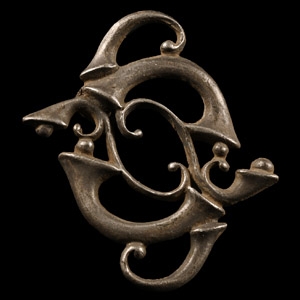
Roman Silver Trumpet Whorl Brooch
2nd century A.D.Sold for (Inc. bp): £520
Fine openwork casting of La Tène trumpets and scrolls with catch to the reverse. 10.5 grams, 38 mm
Ex London collection, 1990s. Acquired on the UK art market. Property of an East London gentleman. -
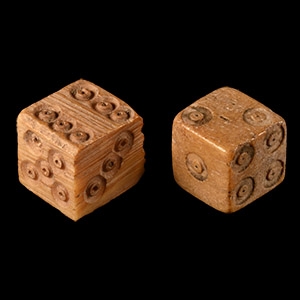
Roman Bone Gaming Dice Pair
1st-4th century A.D.Sold for (Inc. bp): £260
Each cuboid in form with ring-and-dot markings disposed: 1:6, 2:5, 3:4. 2.9 grams total, 8.5-9.8 mm
From the important private collection of dice and gaming pieces of Colin Narbeth, London, UK, collection no.47.
