
Loading, please wait...
LOT 0778
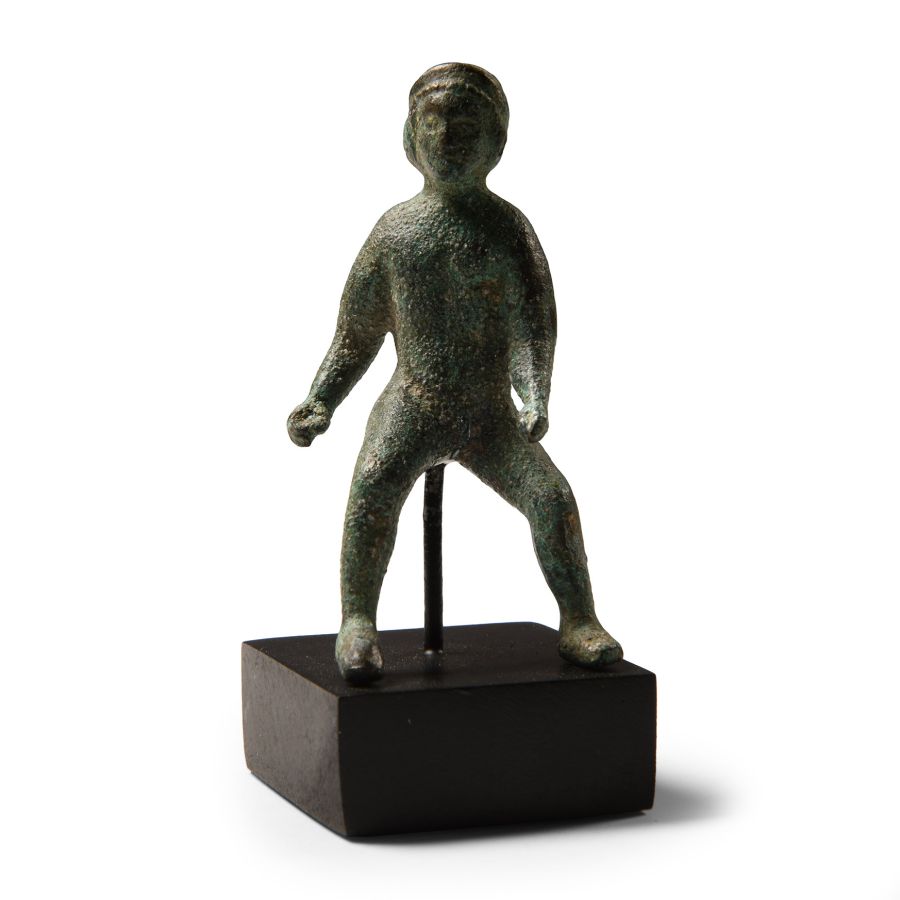
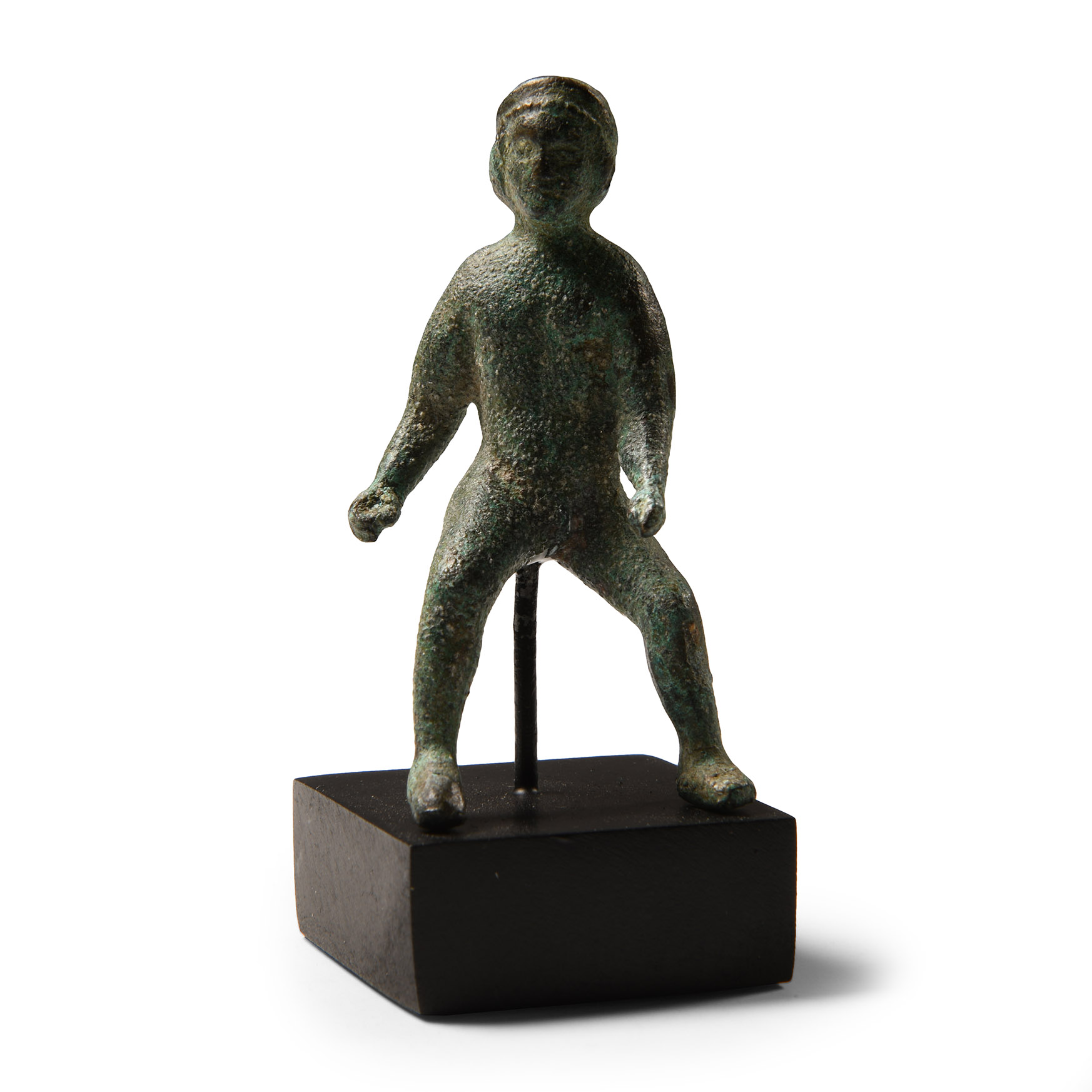
Gallo-Roman Bronze Rider Statuette
1ST-2ND CENTURY A.D.
3 in. (71 grams total, 78 mm including stand).
Modelled nude with legs thrust forward, left arm forward from the body, right arm held to the rear with hand forming a fist, diadem to the brow; mounted on a custom-made stand. [No Reserve]
ProvenanceFrom a collection acquired on the UK art market from various auction houses and collections mostly before 2000.
From an important Cambridgeshire estate; thence by descent.
Unlike the British Museum statuette, our figure is represented in the heroic nudity of the warrior on horseback, even if the position is identical. It is very likely that the statuette represents one of the Dioscuri, Castor and Pollux, and perhaps it was part of a pair of twins on horseback.
CONDITIONTimeLine Auctions follows a vetting process to ensure the authenticity and legality of all items, reinforcing our commitment to integrity and responsible trading. Each antiquity, antique, and coin lot undergoes thorough examination by a vetting committee of at least ten external specialists, professional trade association members, scientists, and archaeologists: Our Vetting Process
AUCTIONS:
TimeLine is a leading auction house specialising in antiquities, ancient art, collectables, natural history, coins, medals, and books. Our auctions offer museums, collectors, historians, and enthusiasts the opportunity to acquire unique and historically significant pieces.
-
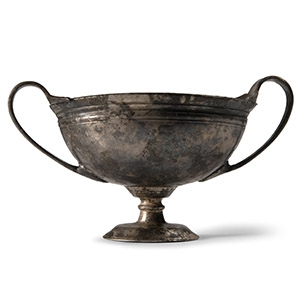
Roman Silver Kantharos Wine Cup
2nd century B.C.-1st century A.D.Estimate: £3,500 - 4,500 (+bp*)
Opening Bid: £1,944
With deep spherical body supported on a round stand; incised with a band around the inner surface and concentric circles on the outer body; two looped high handles, one with stipple engraved monogram on the upper side. 156 grams, 14 cm wide
Ex Mansees collection, formed 1950s-early 1990s. From a large American collection formed in Chicago, Illinois, USA, in 1995. From a European collection. This lot has been checked against the Interpol Database of stolen works of art and is accompanied by search certificate no.11627-197618. -
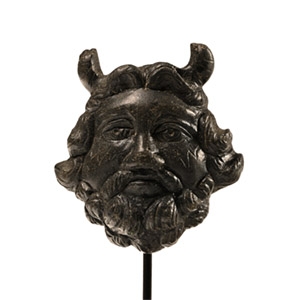
Roman Bronze Head Mount of Oceanus
1st-2nd century A.D.Sold for (Inc. bp): £845
Bust of Oceanus in high-relief, hollow to the reverse, with flowing hair and beard, large lentoid eyes and broad nose, with crab/lobster claws emerging from his locks; mounted on a custom-made stand. 68.2 grams total, 83 mm including stand
Identified by the British Museum as depicting Oceanus on 8th January 1996. From a collection acquired on the UK art market from various auction houses and collections mostly before 2000. From an important Cambridgeshire estate; thence by descent. Accompanied by a copy of the British Museum letter dated 8th January 1996. -
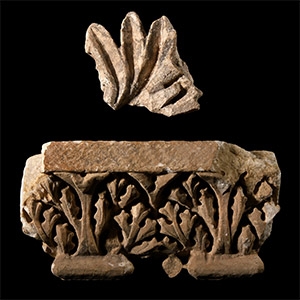
Roman Marble Cornice Fragment Group
3rd-6th century A.D.Estimate: £700 - 900 (+bp*)
Opening Bid: £350
Comprising: triangular-section cornice panel with ledge above a detailed acanthus-leaf frieze in high-relief; section of radiating foliage modelled in the round; both mounted on a custom-made display stand. 3.35 kg total, 26 cm including stand
Private collection, England.
