
Loading, please wait...


LOT 1496
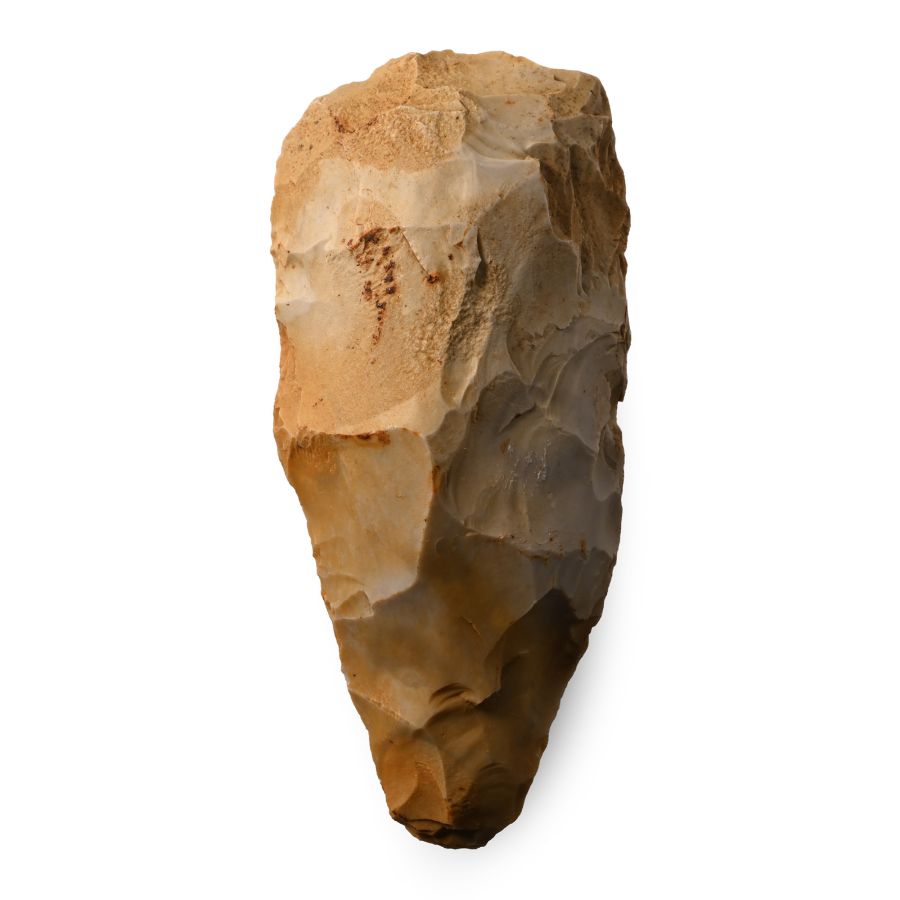
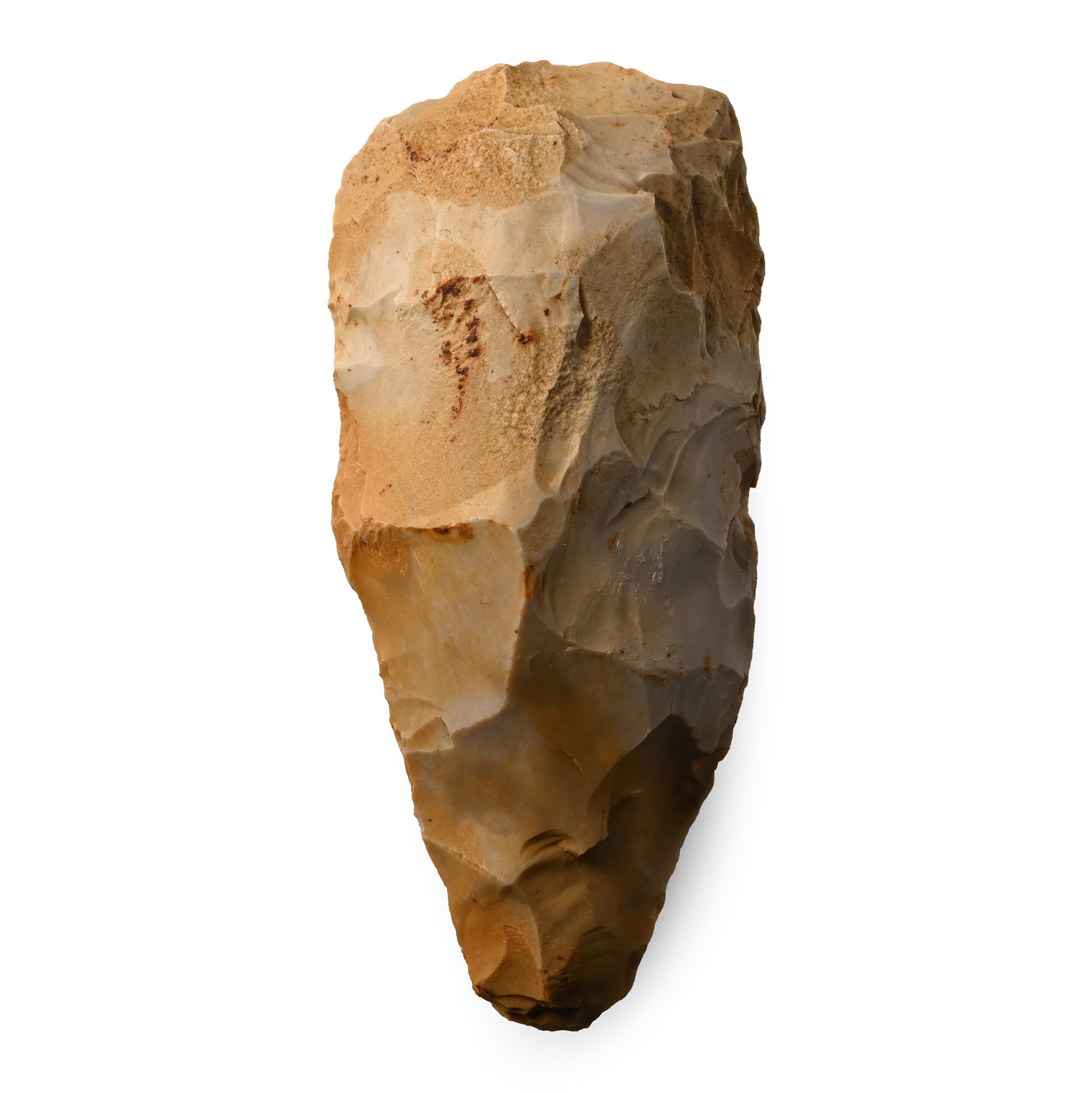
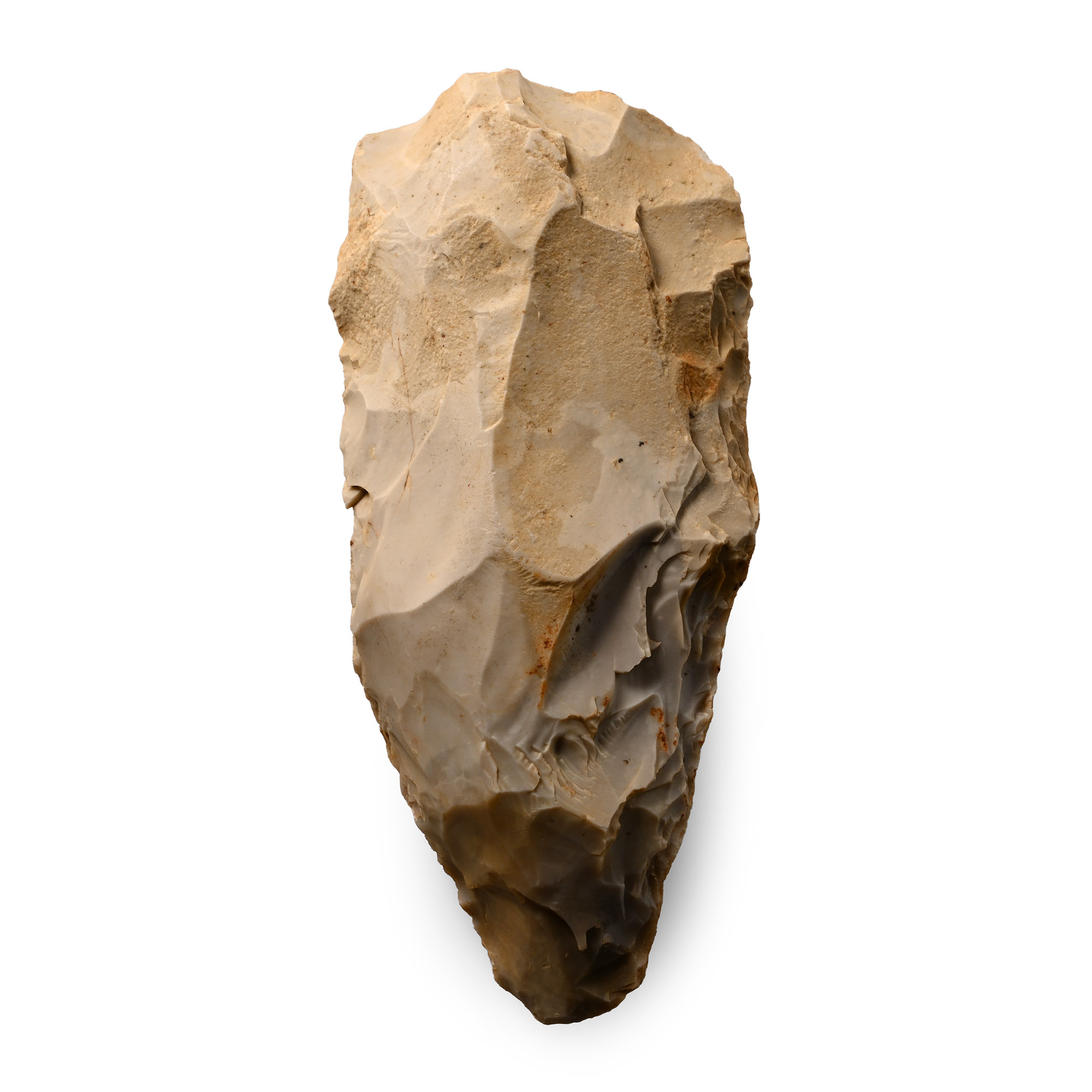
French Stone Age Flint Axehead
NEOLITHIC PERIOD, CIRCA 6000 B.P.
4 7/8 in. (234 grams, 12.4 cm).
Biconvex in section with broad butt, rounded tip. [No Reserve]
ProvenanceFound Bois du Vernay, Rigny-sur-Arroux, France.
From a collection built in the mid 1900s.
Acquired on the European art market.
From the private collection of an East Anglian, UK, specialist collector.
TimeLine Auctions follows a vetting process to ensure the authenticity and legality of all items, reinforcing our commitment to integrity and responsible trading. Each antiquity, antique, and coin lot undergoes thorough examination by a vetting committee of at least ten external specialists, professional trade association members, scientists, and archaeologists: Our Vetting Process
AUCTIONS:
TimeLine is a leading auction house specialising in antiquities, ancient art, collectables, natural history, coins, medals, and books. Our auctions offer museums, collectors, historians, and enthusiasts the opportunity to acquire unique and historically significant pieces.
-
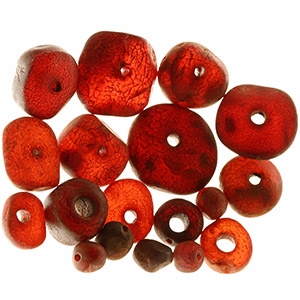
Stone Age Amber Bead Collection
Corded Ware Culture, 6th-5th millennium B.P.Sold for (Inc. bp): £650
Including pierced irregular flat discs and other types. 38 grams total, 9-30 mm
From the private family collection of a lady, UK; acquired in Germany mid 20th century. -
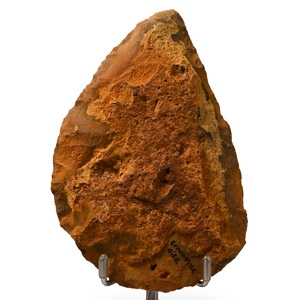
French Stone Age 'Neanderthal' Handaxe
Middle Palaeolithic Period, circa 250,000-150,000 B.P.Sold for (Inc. bp): £234
Cordiform in profile and very well made from a colourful dense sandstone/quartzite material; mounted on a custom-made display stand. 274 grams, 12.6 cm (313 grams total, 14.5 cm including stand)
Found Ermonville, Oise, France. Acquired on the UK art market in the 2020s. -
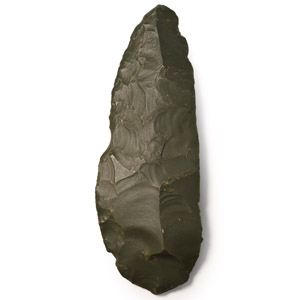
Stone Age Tenerian Green Jasper Knife
Tenerian Culture, circa 7,500-4,500 B.P.Sold for (Inc. bp): £20
Leaf-shaped in plan and thin in section with rounded butt. 67.7 grams, 13.6 cm
Found South Central Sahara. Acquired on the UK art market in the 2020s.
