
Loading, please wait...
LOT 1317
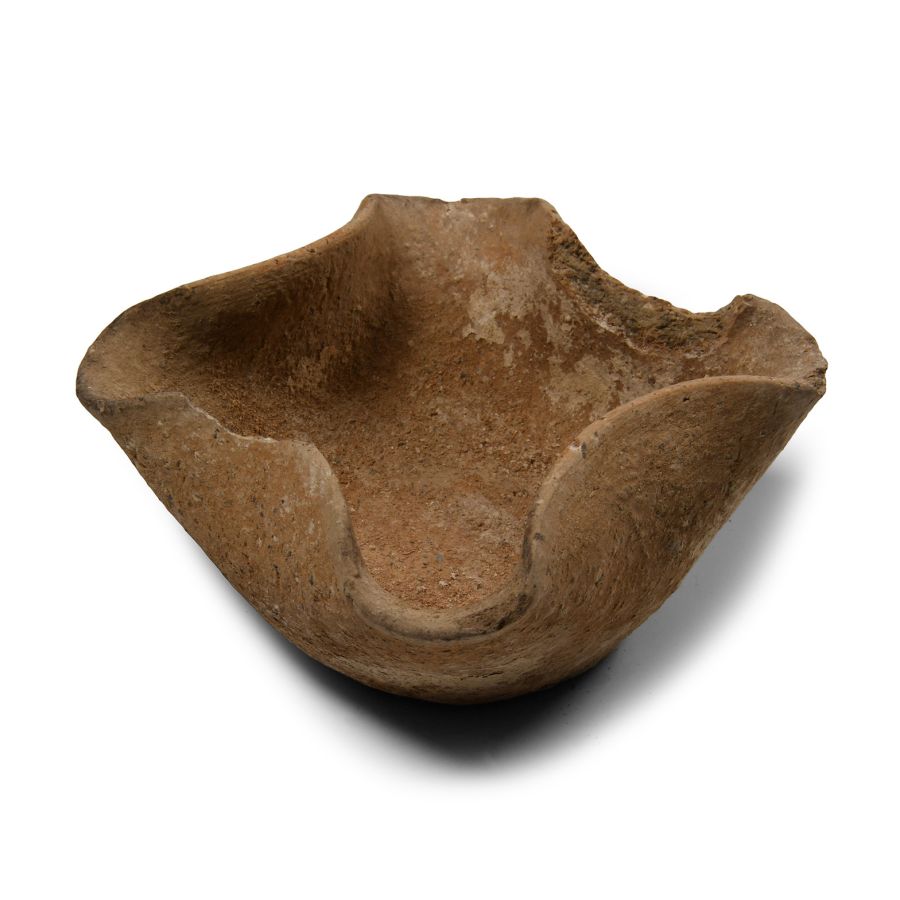
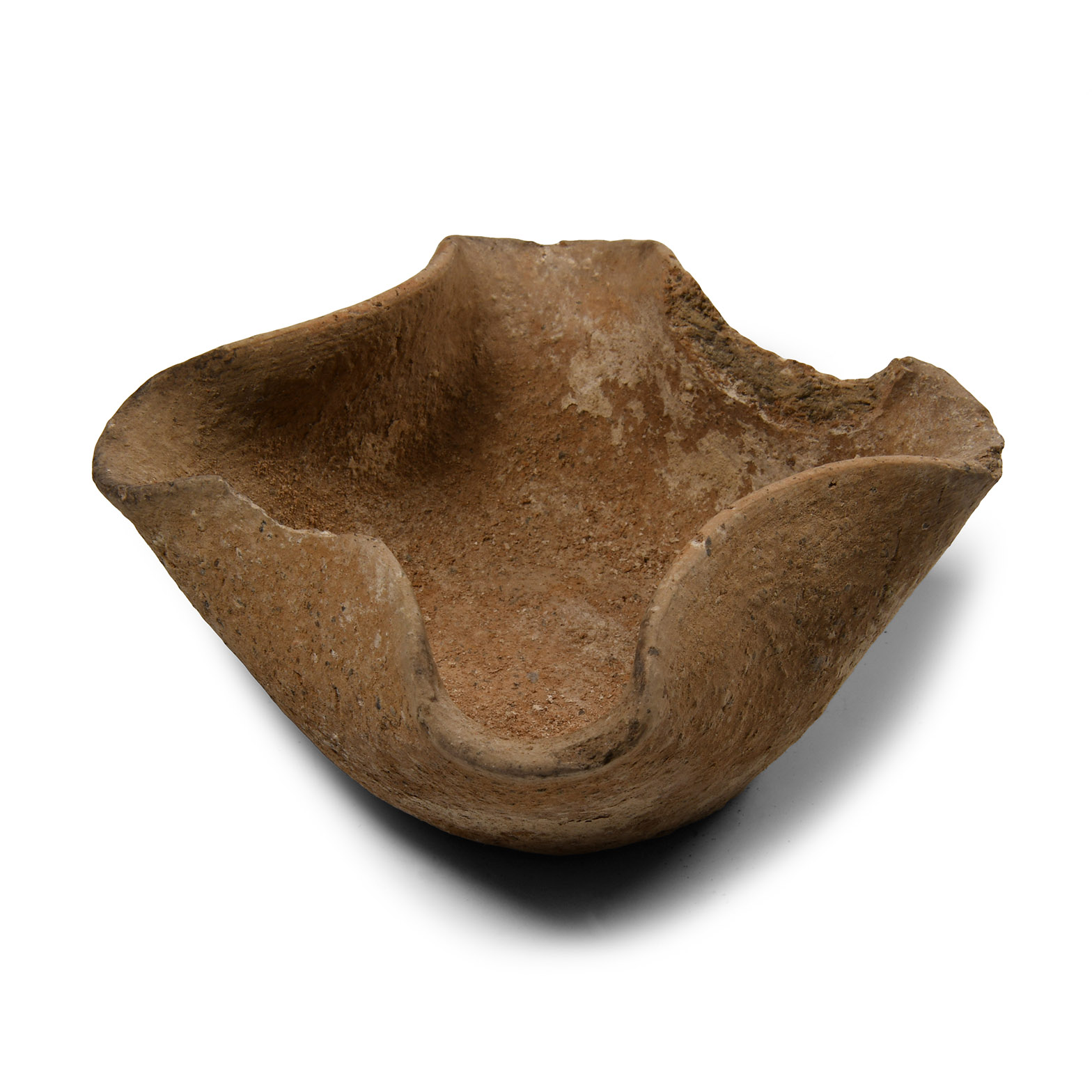
Four Folded-Spout Terracotta Lamp
EARLY BRONZE AGE I, CIRCA 3000 B.C.
4 3/4 in. (211 grams, 12.5 cm).
Squat in profile with four pinched and folded spouts to the rim, broad base. [No Reserve]
ProvenanceFrom an important collection of terracotta pre 1988, London and Geneva.
CONDITIONTimeLine Auctions follows a vetting process to ensure the authenticity and legality of all items, reinforcing our commitment to integrity and responsible trading. Each antiquity, antique, and coin lot undergoes thorough examination by a vetting committee of at least ten external specialists, professional trade association members, scientists, and archaeologists: Our Vetting Process
AUCTIONS:
TimeLine is a leading auction house specialising in antiquities, ancient art, collectables, natural history, coins, medals, and books. Our auctions offer museums, collectors, historians, and enthusiasts the opportunity to acquire unique and historically significant pieces.
-
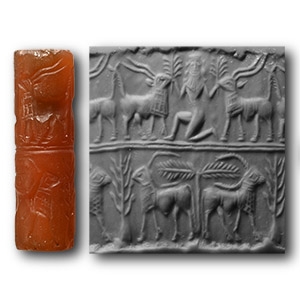
Old Akkadian Cylinder Seal with Goat Scenes
2340-2200 B.C.Sold for (Inc. bp): £780
Carnelian with double register; to the top a kneeling naked male facing forward with curly hair and beard, holding plants in both hands towards a pair of goats to either side; the lower register with goats either side of a central plant motif. 4.1 grams, 29 mm
From an important London collection, formed before 1990. From a collection acquired from various auction houses in the UK. From the estate of Mr R.W., a private Wiltshire, UK, collector; thence by descent. -
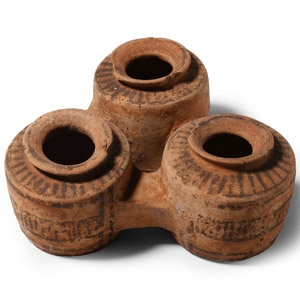
Western Asiatic Painted Terracotta Kernos
1st millennium B.C.Sold for (Inc. bp): £169
Three drum-shaped ceramic vessels each with a flared rim and flat underside, connected by spurs at the equator; painted linear motifs to the mouths, shoulders and sidewalls. 350 grams, 13 cm
From a collection acquired on the UK art market from various auction houses and collections mostly before 2000. From an important Cambridgeshire estate; thence by descent.
In the typology of ancient Greek pottery, the kernos (κέρνος or κέρχνος, plural kernoi) was a stone tray to which were attached several small vessels for holding offerings. Its unusual design is described in literary sources, which also list the ritual ingredients it might contain. The kernos was used primarily in the cults of Demeter and Kore, and of Cybele and Attis. -
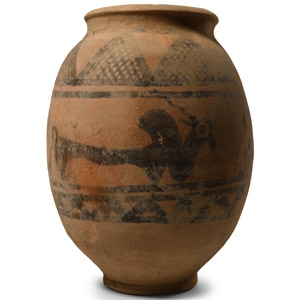
Western Asiatic Terracotta Jar
1st millennium B.C.Sold for (Inc. bp): £169
Fusiform in profile with broad carinated rim to the mouth, horizontal geometric bands enclosing a frieze of zebus. 1.06 kg, 21 cm
Ex London, UK, gallery, 1980s. From a UK private collection.
