
Loading, please wait...
LOT 2463
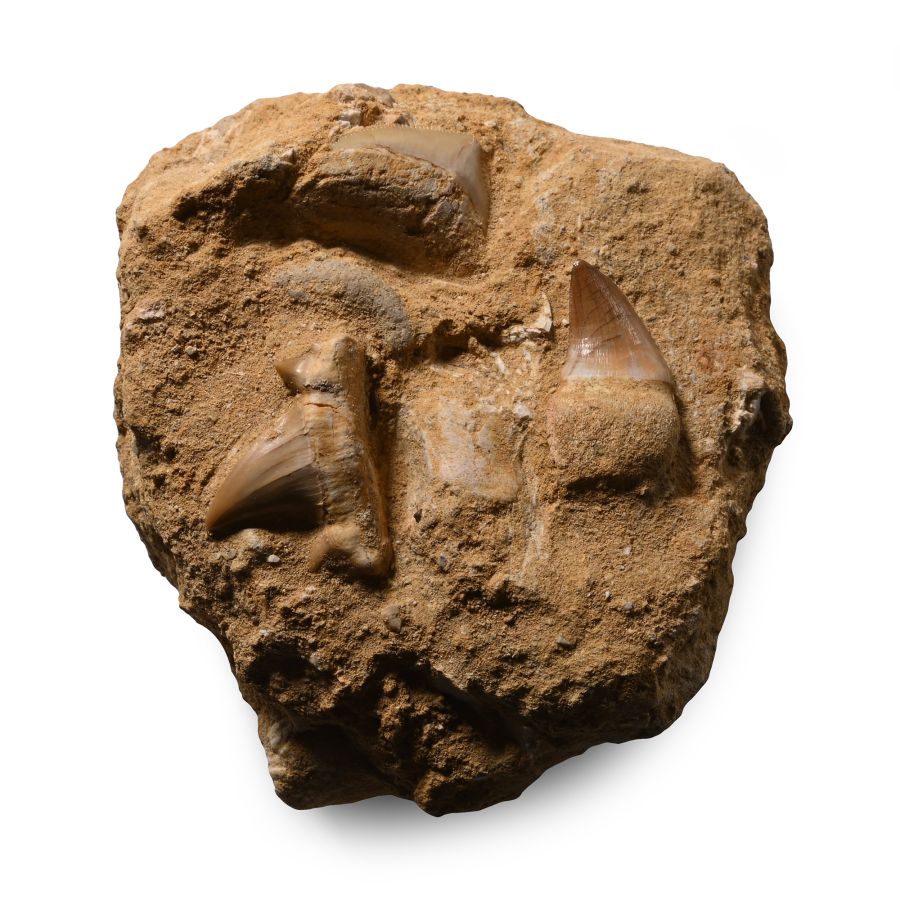
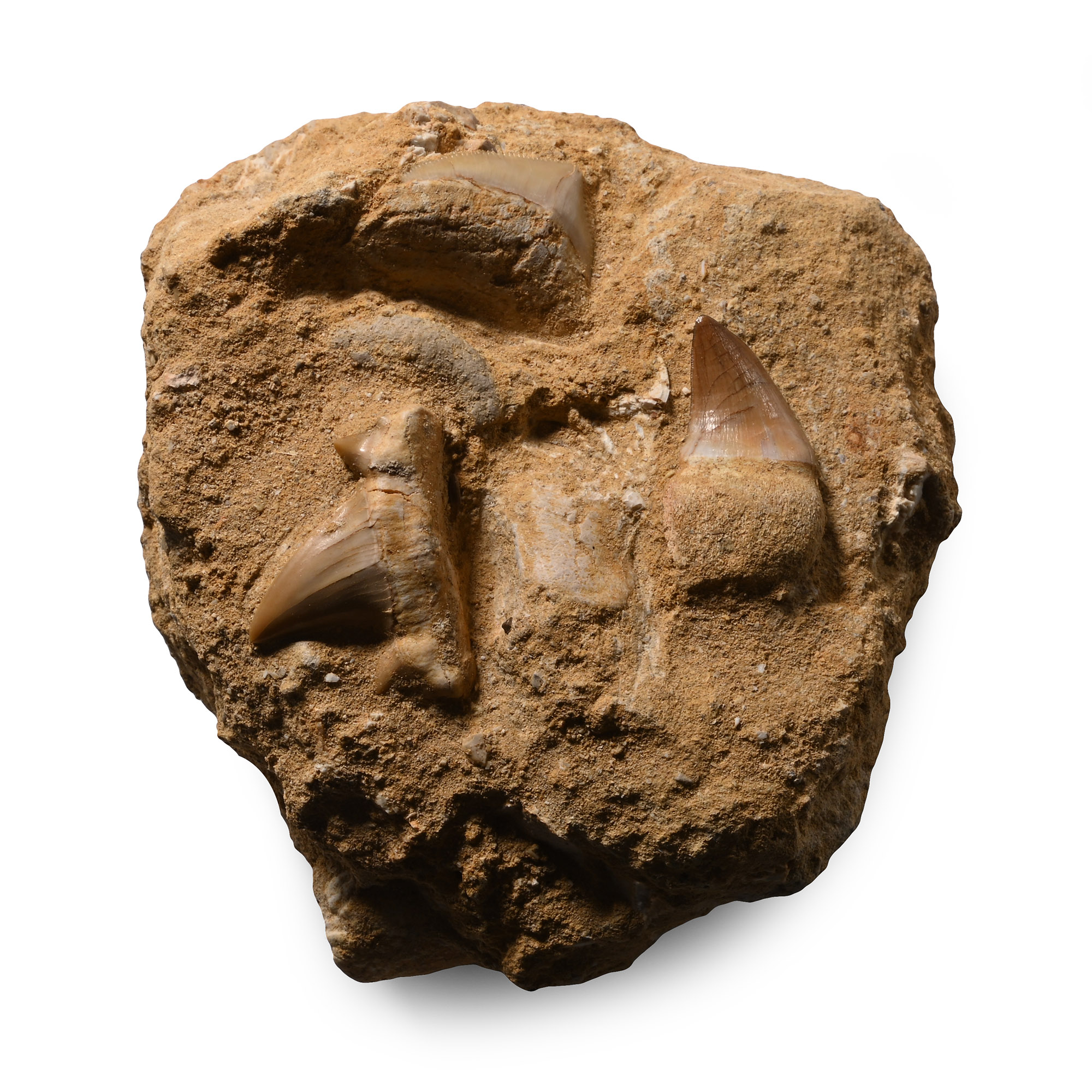
Fossil Mosasaur 'Marine Dinosaur' and Otodus Teeth with on Composite Rock
CRETACEOUS PERIOD, 145-65 MILLION YEARS B.P.
4 in. (301 grams, 10 cm).
An irregular sandstone matrix set with a Mosasaur prognathodon sp. and an Otodus obliquus sp. teeth and other fossils. [No Reserve]
ProvenanceFrom Morocco, North Africa.
From a Cambridgeshire, UK, collection.
The Mosasaur is an extinct, large marine reptile dinosaur with an elongated body, long snout and paddle-like limbs. Found worldwide, they competed with other well-known sea predators of the Late Cretaceous, such as plesiosaurs and ichthyosaurs, for food, existing primarily on a diet of ammonoids, cuttlefish and fish.
CONDITIONTimeLine Auctions follows a vetting process to ensure the authenticity and legality of all items, reinforcing our commitment to integrity and responsible trading. Each antiquity, antique, and coin lot undergoes thorough examination by a vetting committee of at least ten external specialists, professional trade association members, scientists, and archaeologists: Our Vetting Process
AUCTIONS:
TimeLine is a leading auction house specialising in antiquities, ancient art, collectables, natural history, coins, medals, and books. Our auctions offer museums, collectors, historians, and enthusiasts the opportunity to acquire unique and historically significant pieces.
LOT 2463
Fossil Mosasaur 'Marine Dinosaur' and Otodus Teeth with on Composite Rock
Sold for (Inc. bp): £7
-
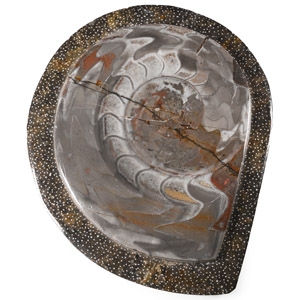
Polished Fossil Goniatite Plate
Devonian Period, circa 400 million years B.P.Sold for (Inc. bp): £13
A large Goniatite specimen set on a textured matrix. 626 grams, 18 cm
From Atlas Mountains, Morocco, North Africa. From a Cambridgeshire, UK, collection. -
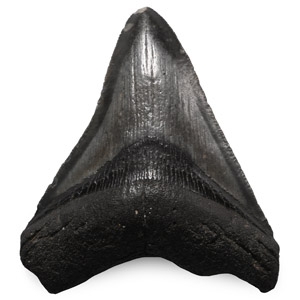
Fossil Megalodon Extinct Giant Shark's Tooth
Pliocene Period, 5.2-2.5 million years B.P.Sold for (Inc. bp): £208
A Carcharocles megalodon tooth displaying some enamel and serrations. 59 grams, 74 mm
From a Lincolnshire, UK, collection. -
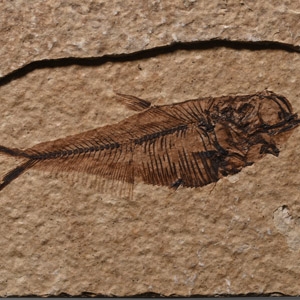
Knightia Fossil Fish in Matrix
Eocene Period, circa 58-36 million years B.P.Sold for (Inc. bp): £65
A single Knightia alta specimen. 71 grams, 86 mm
From Wyoming (Green River Formation), USA. From a Lincolnshire, UK, collection.
In southwest Wyoming (and parts of Colorado and Utah) in the Green River Formation are found some of the world's most outstanding specimens of fossil fish. The Green River system was composed of three lakes: Lake Ulinta, Lake Gosiute and Fossil Lake. These Eocene lakes lay in a series of intermountain basins formed by geological events that uplifted the Rocky Mountains during the early Tertiary time. The climate was much different from the desert-like climate of this area today. Both the fauna (crocodiles, alligators, boa constrictors and some subtropical fish families) and the flora (such as large palm trees) indicate a climate much like that found along the Gulf Coast today. Large amounts of ash found in the sediments indicate that volcanoes were particularly active at this time.
