
Loading, please wait...
LOT 2358
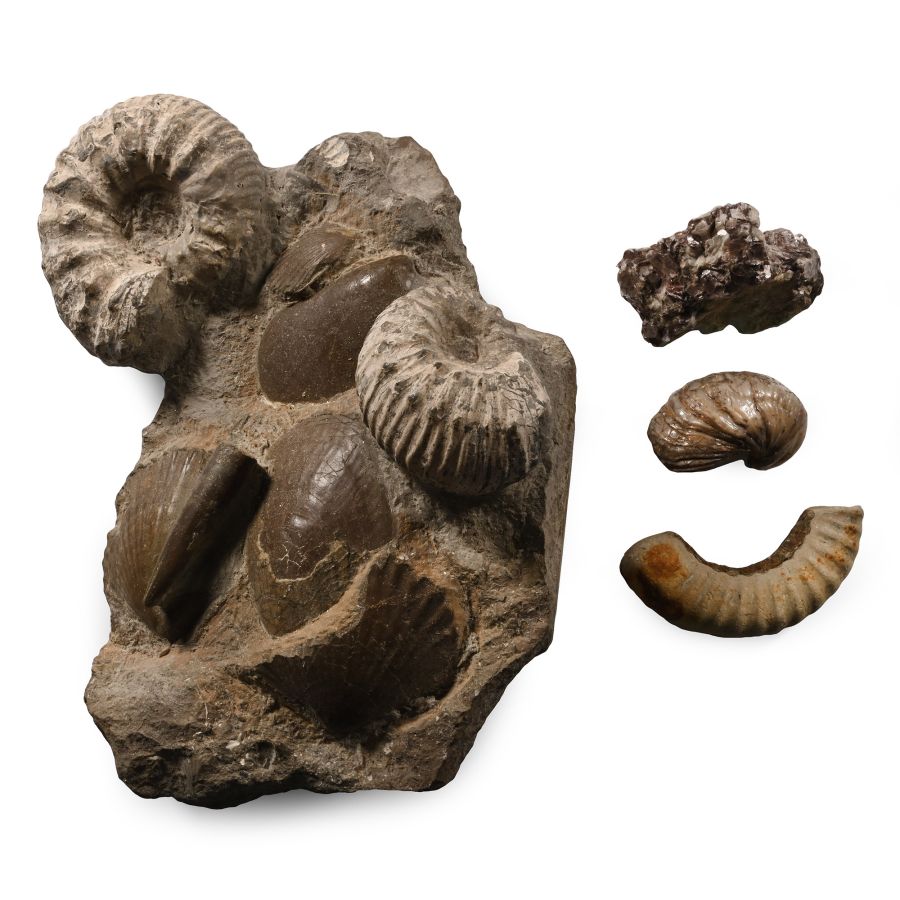
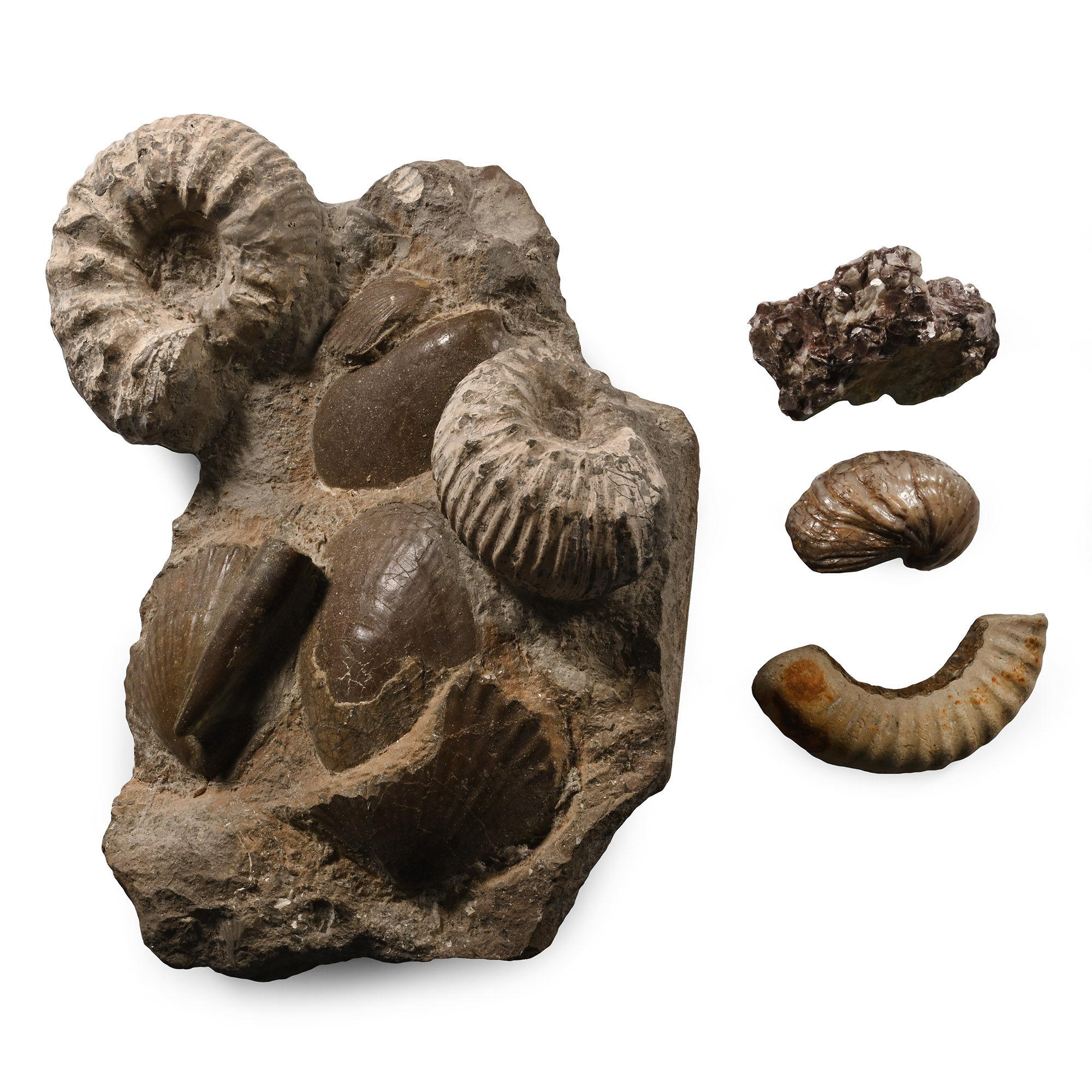
Fossil and Mineral Collection
JURASSIC PERIOD, CIRCA 184.2-174.7 MILLION YEARS B.P.
2 3/8 - 9 7/8 in. (4.16 kg total, 5.9-25 cm).
Comprising: a reconstructed assemblage matrix with Liparoceras ammonites, bivalves, and a belemnite; an ammonite partial; a gryphaea fossil; and a matrix with mica and aventurine. [4, No Reserve]
ProvenanceAcquired from older English collections via the UK art market since the mid 1970s.
From the private collection of Peran Dachinger, thence by descent.
From the family collection of a Maida Vale lady, UK.
TimeLine Auctions follows a vetting process to ensure the authenticity and legality of all items, reinforcing our commitment to integrity and responsible trading. Each antiquity, antique, and coin lot undergoes thorough examination by a vetting committee of at least ten external specialists, professional trade association members, scientists, and archaeologists: Our Vetting Process
AUCTIONS:
TimeLine is a leading auction house specialising in antiquities, ancient art, collectables, natural history, coins, medals, and books. Our auctions offer museums, collectors, historians, and enthusiasts the opportunity to acquire unique and historically significant pieces.
-
![Large Brown Calcite Mineral Specimen Group [20]](https://timelineauctions.com/upload/images/items/small/228011-s.jpg)
Large Brown Calcite Mineral Specimen Group [20]
Sold for (Inc. bp): £7
Comprising twenty large irregular specimens. 4.92 kg total, 5.8-10.3 cm
Ex Mineral Imports, London, UK. Gregory, Bottley & Lloyd (Gregory's), Harwich, UK. -
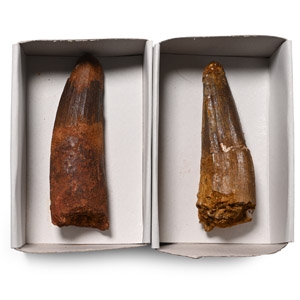
Fossil Spinosaurus Tooth Group
Cretaceous Period, circa 125-113 million years B.P.Sold for (Inc. bp): £26
Comprising two teeth with some root; repaired. 73 grams total, 66-71 mm
From a Lincolnshire, UK, collection. -
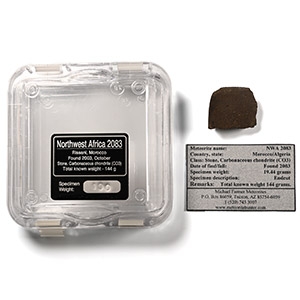
Rissani Carbonaceous Chondrite Meteorite Polished End Cut
Found 2003 A.D.Sold for (Inc. bp): £143
Cut and polished end section of NWA 2083, inked collector's note to one side. specimen weight 19.44 grams, 31mm
From Rissani, Morocco/Algeria, North West Africa. Ex Michael Farmer Meteorites, Tucson, Arizona, USA. Ex USA collection. From a Leicestershire, UK, collection. Accompanied by an original dealer label and Swiss membrane box with aluminium identification label.
