
Loading, please wait...
LOT 1256
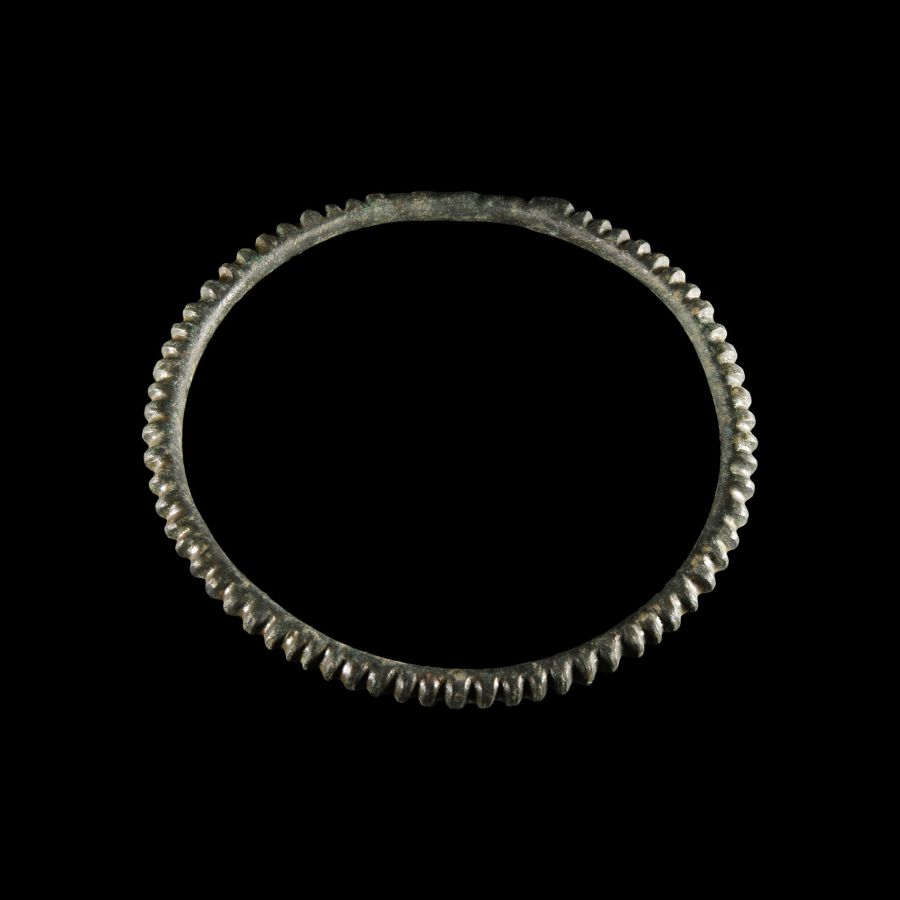
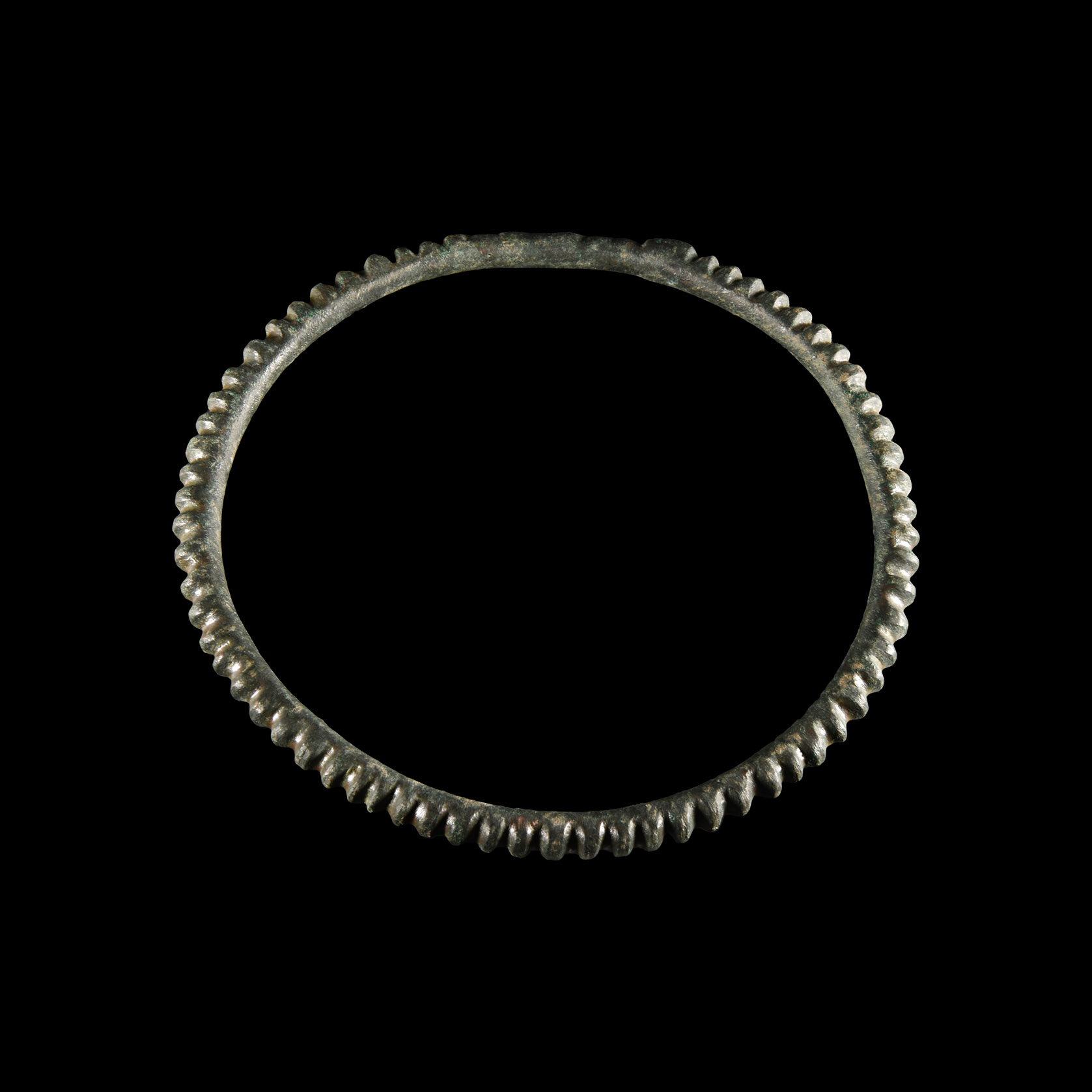
European Bronze Age Decoratively Notched Arm-Ring
CIRCA 8TH-6TH CENTURY B.C.
5 1/8 in. (134 grams, 13 cm wide).
The annular ornament with round-section body and decoratively notched outer face. [No Reserve]
ProvenanceUK collection, early 1990s and before.
Acquired on the UK art market since the early 2000s.
From a private collection, Lancashire, UK.
TimeLine Auctions follows a vetting process to ensure the authenticity and legality of all items, reinforcing our commitment to integrity and responsible trading. Each antiquity, antique, and coin lot undergoes thorough examination by a vetting committee of at least ten external specialists, professional trade association members, scientists, and archaeologists: Our Vetting Process
AUCTIONS:
TimeLine is a leading auction house specialising in antiquities, ancient art, collectables, natural history, coins, medals, and books. Our auctions offer museums, collectors, historians, and enthusiasts the opportunity to acquire unique and historically significant pieces.
-
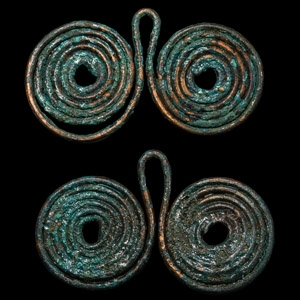
Bronze Age Coiled Bronze Spectacle Pendant Pair
10th-6th century B.C.Sold for (Inc. bp): £208
Each composed of two coiled wire discs with integral loop between. 11.7 grams total, 44 mm each
UK collection, early 1990s and before. Acquired on the UK art market since the early 2000s. From a private collection, Lancashire, UK. -
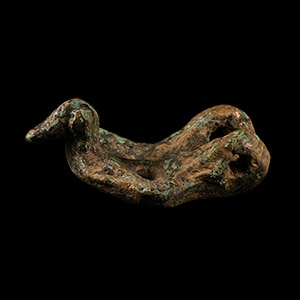
European Bronze Age Bird Mount
1st millennium B.C.Sold for (Inc. bp): £33
Formed with spread wings and bulging eyes, the tail forming two attachment lugs; two piercings through the body. 62.7 grams, 58 mm
Ex Garcia collection, France, 1990s-2000s. -
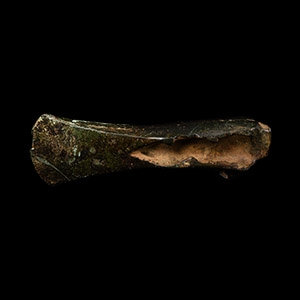
Bronze Age Palstave Axehead
2nd millennium B.C.Sold for (Inc. bp): £65
Featuring a loop to one edge, flanges to the upper and lower edges with recessed for organic inserts, wedge-shaped cheeks with crescentic blade. 369 grams, 14 cm
From an old collection. Acquired from Lockdales, Suffolk, UK, 12 July 2009, lot 659. Property of an Oxfordshire, UK, collector. Accompanied by a copy of the Lockdales invoice.
