
Loading, please wait...
LOT 0056
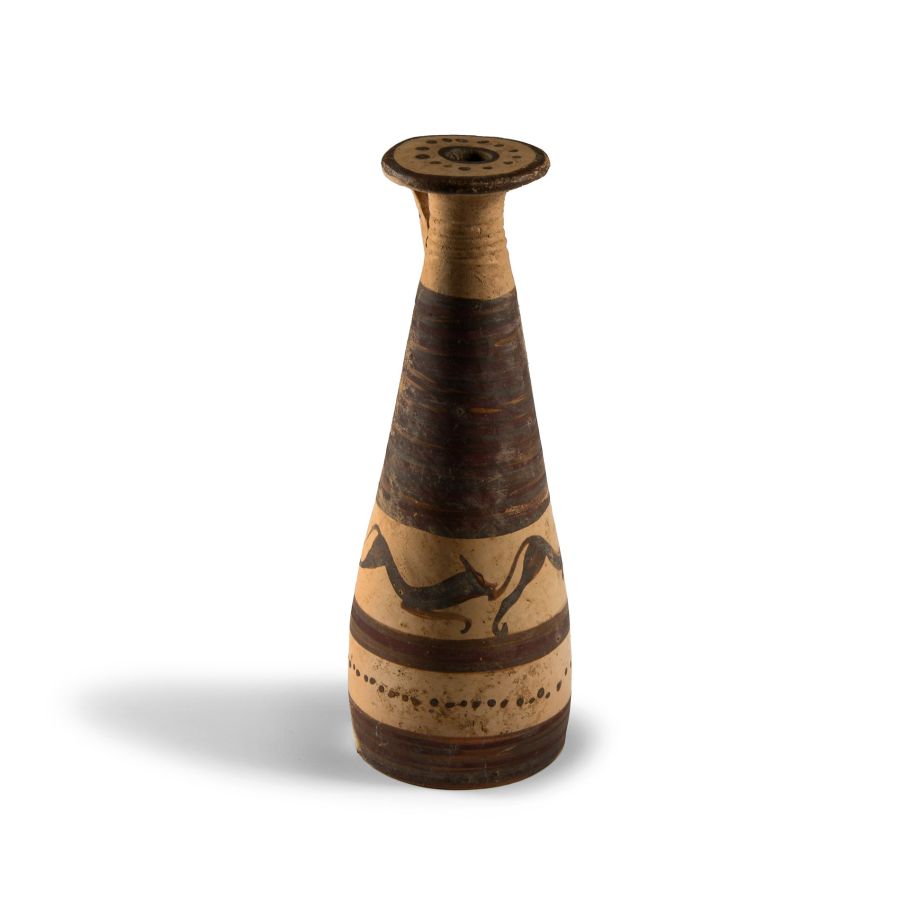
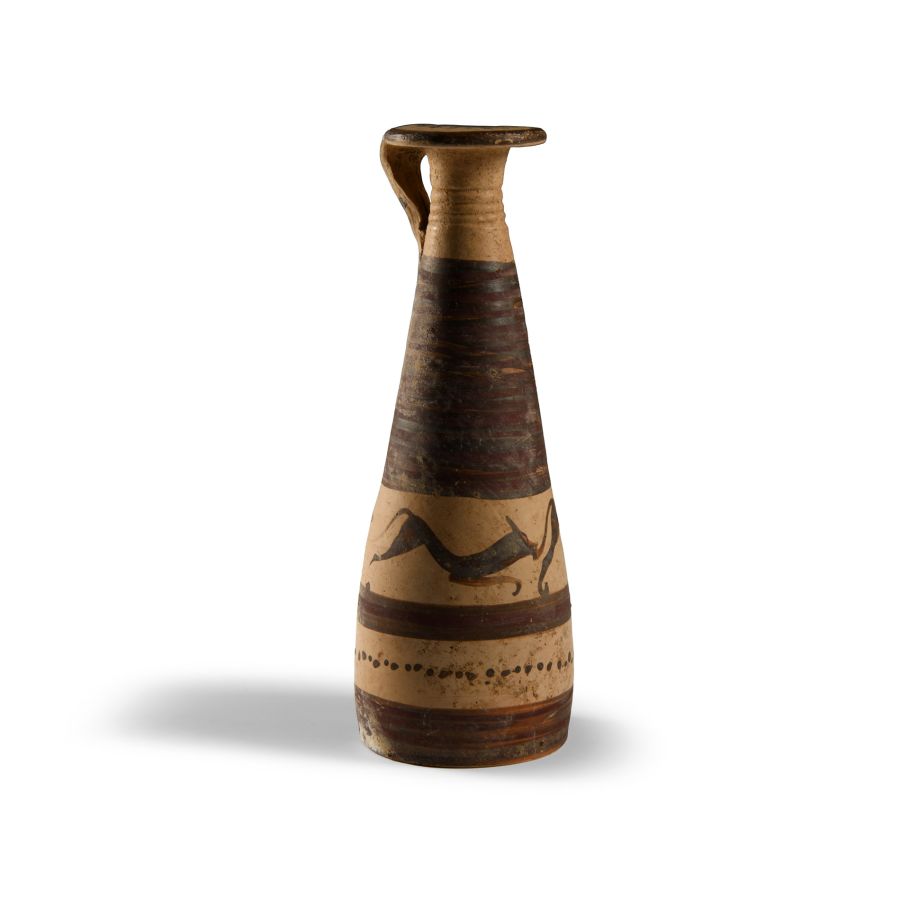
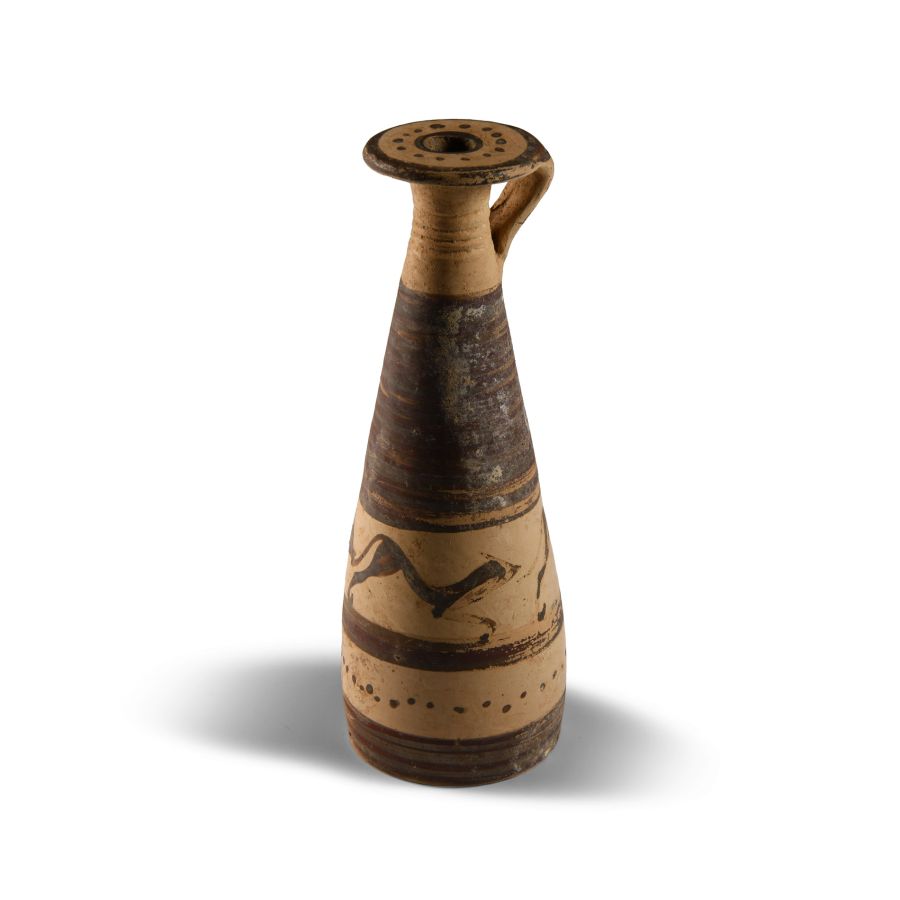
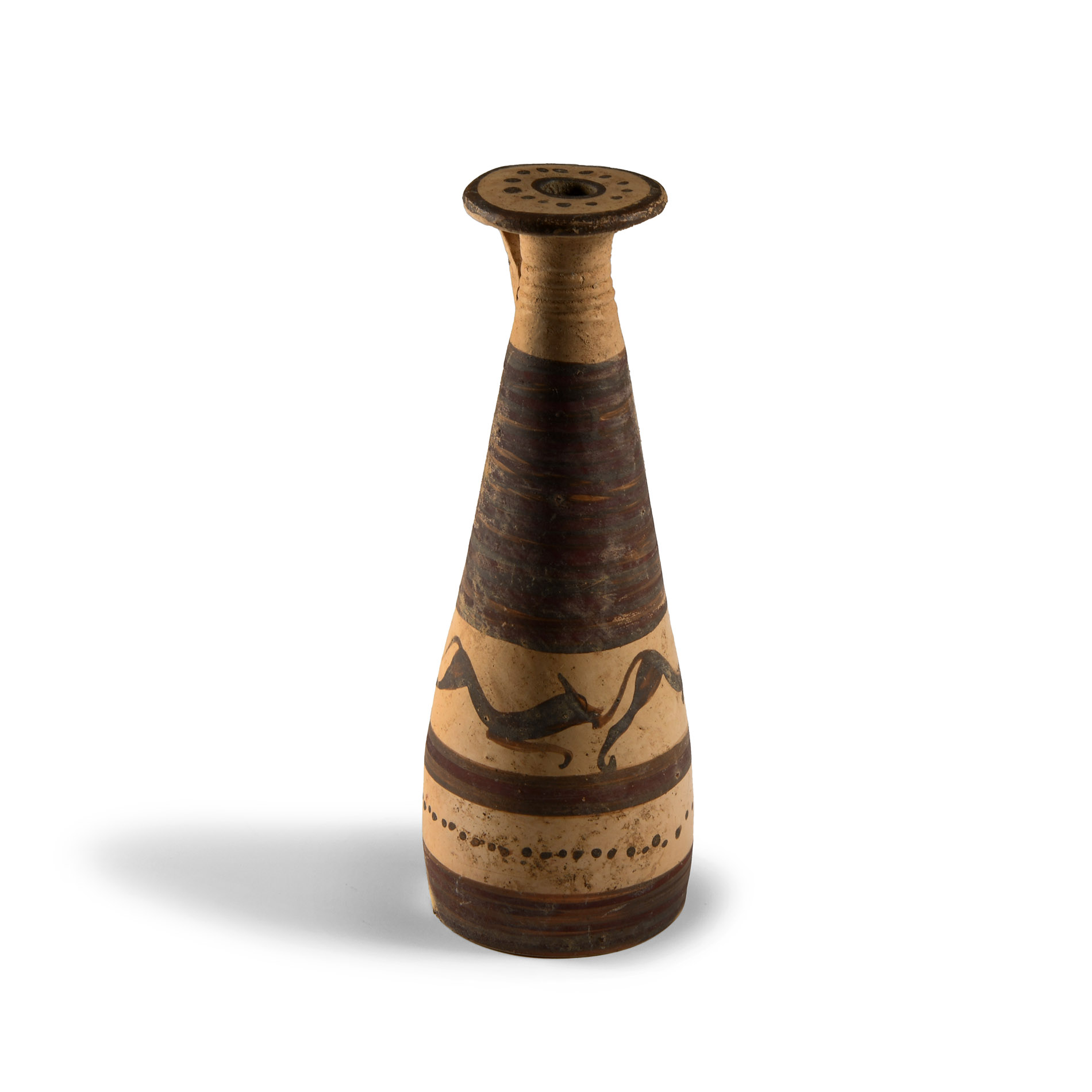
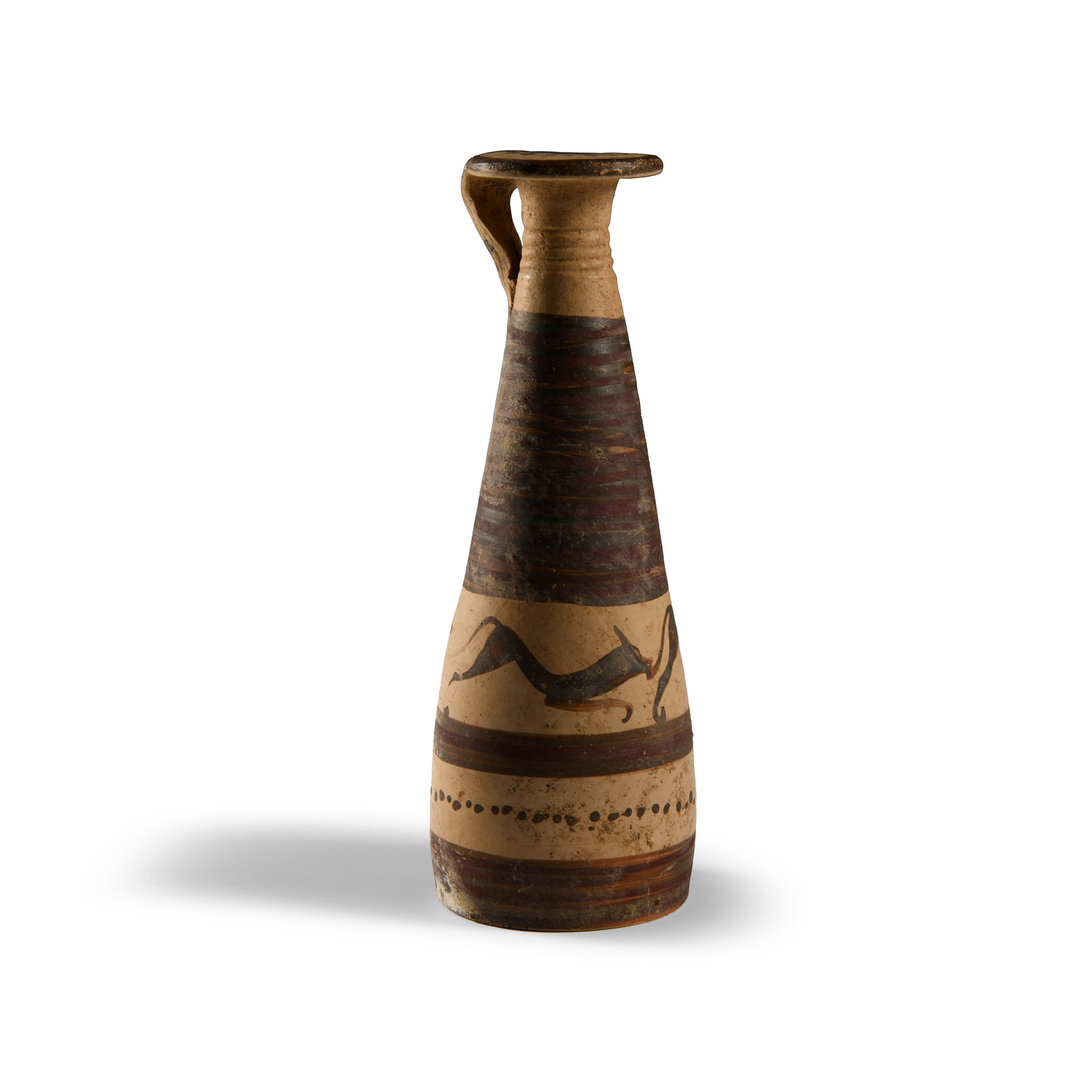
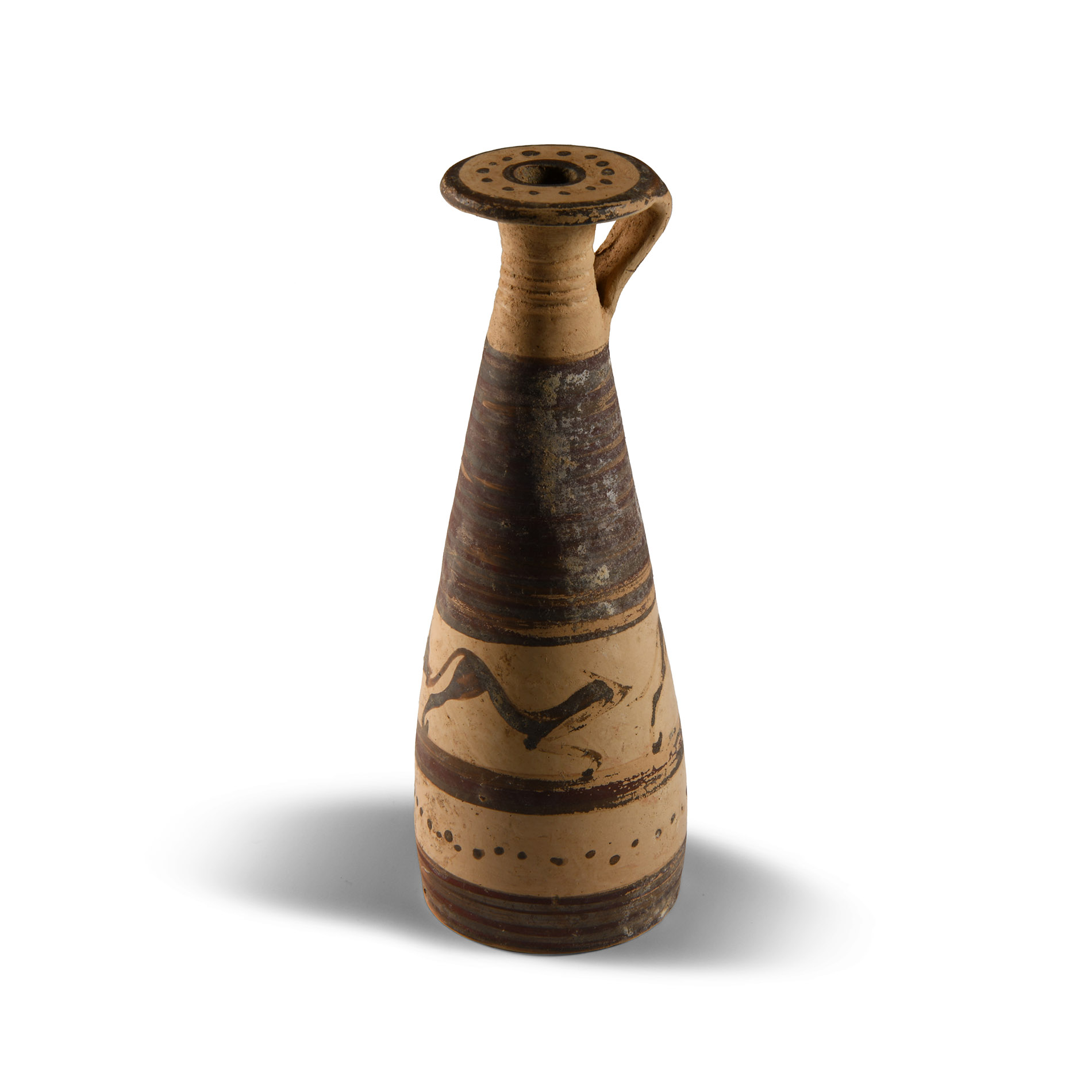
Etruscan Terracotta Alabastron
6TH CENTURY B.C.
5 1/8 in. (87 grams, 13.1 cm).
Capsule-shaped with cylindrical neck and flange rim decorated with pellets; solid coloured band to the shoulder above a frieze of racing hounds; band of pellets below; broad strap handle beneath the rim.
ProvenanceEx Ancienne collection, W. Hartmann de Geneva.
European private collection.
Cf. British Museum reference number 1899,1229.6, for a vessel of similar form in glass.
CONDITIONTimeLine Auctions follows a vetting process to ensure the authenticity and legality of all items, reinforcing our commitment to integrity and responsible trading. Each antiquity, antique, and coin lot undergoes thorough examination by a vetting committee of at least ten external specialists, professional trade association members, scientists, and archaeologists: Our Vetting Process
AUCTIONS:
TimeLine is a leading auction house specialising in antiquities, ancient art, collectables, natural history, coins, medals, and books. Our auctions offer museums, collectors, historians, and enthusiasts the opportunity to acquire unique and historically significant pieces.
-
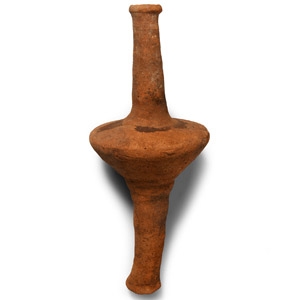
Greek Tall Terracotta Vessel
5th-4th century B.C.Sold for (Inc. bp): £26
With tall tubular neck and flared rim, broad shoulder, conical body, narrow columnar foot; traces of pigment to shoulder. 323 grams, 20.5 cm
From a collection acquired on the UK art market from various auction houses and collections mostly before 2000. From an important Cambridgeshire estate; thence by descent. -
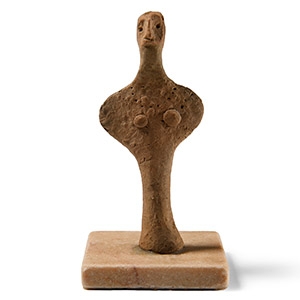
Mycenaean Terracotta Goddess Figure
Circa 13th century B.C.Sold for (Inc. bp): £416
Standing on a conical foot with rounded upper body, applied disc breasts, impressed necklace, pinched facial features, old label '24' to reverse; mounted on a custom-made stand. 69 grams total, 92 mm including stand
From a collection acquired on the UK art market from various auction houses and collections mostly before 2000. From an important Cambridgeshire estate; thence by descent. -
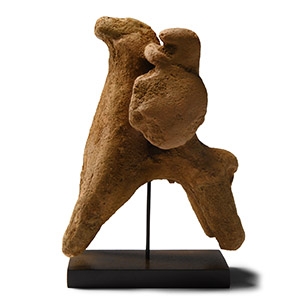
Archaic Greek Terracotta Figure of Mounted Warrior with Shield
7th-5th century B.C.Sold for (Inc. bp): £338
The figure comprising a stylised horse with elongated neck, mounted by a bearded rider figure holding a shield, restored; mounted on a custom-made display stand. 323 grams total, 13 cm including stand
Acquired before 1990. From an old German collection.
