
Loading, please wait...
LOT 0135
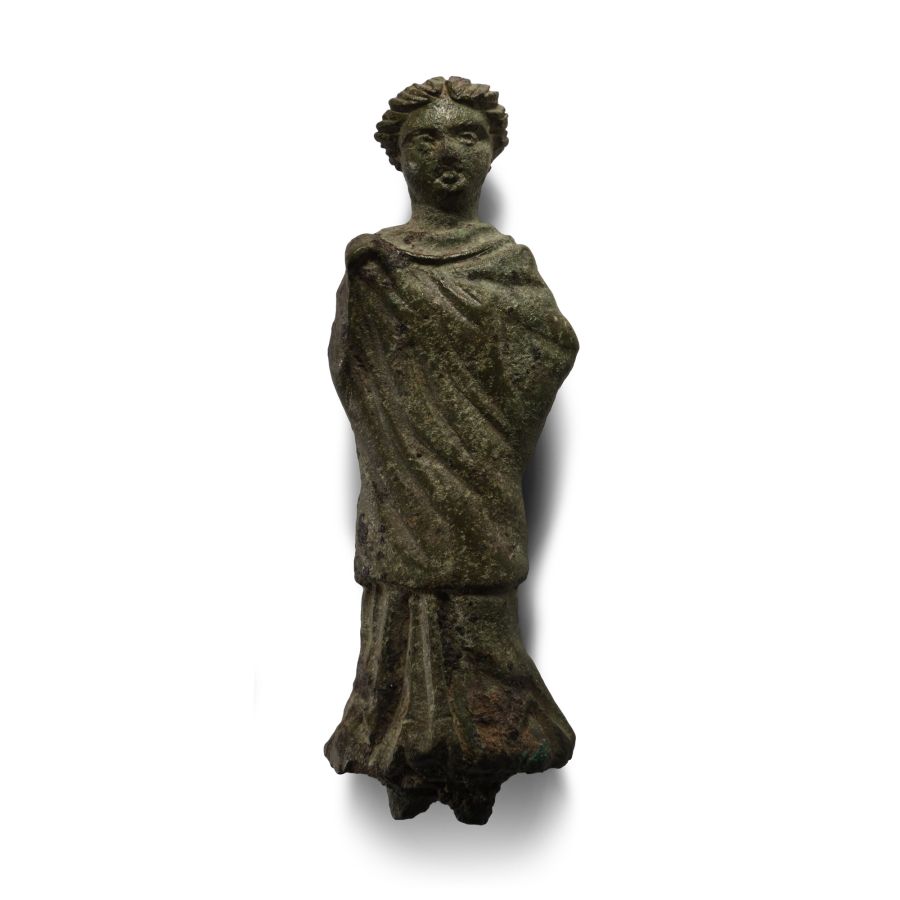
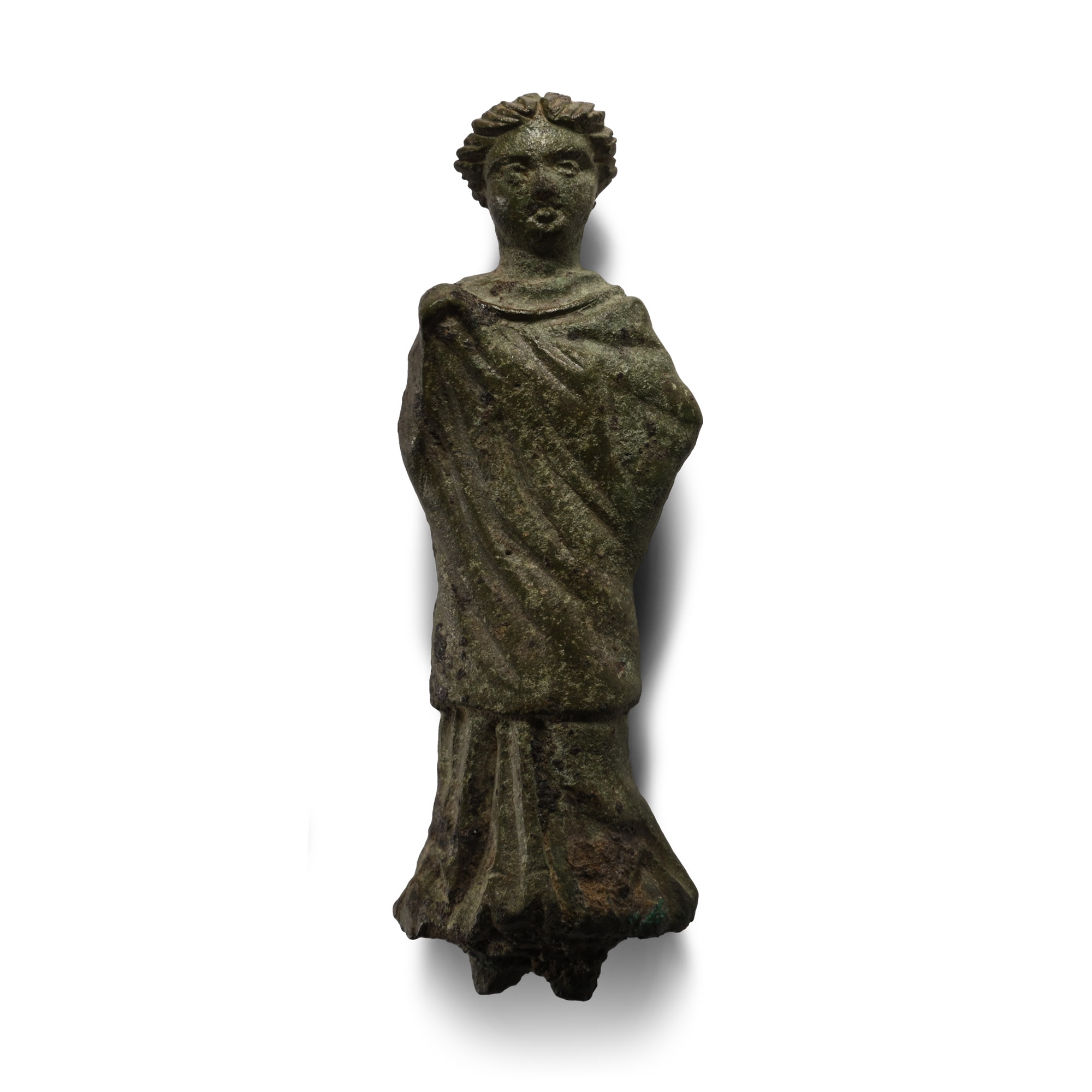
Etruscan Bronze Robed Figure
3RD-2ND CENTURY B.C.
2 3/4 in. (86 grams, 71 mm).
Female with hair drawn up in a chignon, palla wrapped tightly around the upper body hiding the right arm bent with the hand at the shoulder, lower hem of robe flared; fixing lug to underside.
ProvenanceAcquired in the mid 1980s-1990s.
Private collection, Switzerland, thence by descent.
Private collection, since the late 1990s.
Cf. Rolland, H., Bronzes Antiques de Haute Provence, Paris, 1965, item 143 (Fortuna) in similar robe; 203, Ceres or Pomona.
FootnotesThis is a figurine of a deity of difficult interpretation representing an ex-voto. This typology is widespread in the votive offerings of Etrusco-Roman sanctuaries, and by analogy with various statuettes could represent Ceres or Pomona.
CONDITIONTimeLine Auctions follows a vetting process to ensure the authenticity and legality of all items, reinforcing our commitment to integrity and responsible trading. Each antiquity, antique, and coin lot undergoes thorough examination by a vetting committee of at least ten external specialists, professional trade association members, scientists, and archaeologists: Our Vetting Process
AUCTIONS:
TimeLine is a leading auction house specialising in antiquities, ancient art, collectables, natural history, coins, medals, and books. Our auctions offer museums, collectors, historians, and enthusiasts the opportunity to acquire unique and historically significant pieces.
LOT 0135
Etruscan Bronze Robed Figure
Estimate £1,000 - 1,400€1,160 - 1,620 (for guidance only)$1,350 - 1,890 (for guidance only)
-
.jpg)
Roman Tabular Lead Weight Collection
1st-4th century A.D.Sold for (Inc. bp): £26
Square in plan, some with incised markings, one with impressed hole. 95 grams total, 8-25 mm
Ex Simmons gallery, London, UK. From a North London collection, 1990s. -
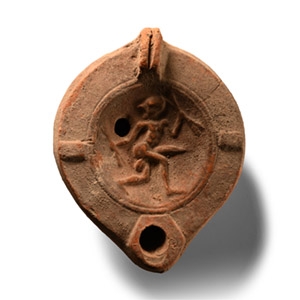
Roman Terracotta Oil Lamp with Ithyphallic Entertainer
2nd-3rd century A.D.Sold for (Inc. bp): £468
With lug handle and short nozzle, low-relief scene of a nude dancer running brandishing batons. 72 grams, 87 mm
From a London collection of erotica, formerly in the collection of the late Mr S.M., London, UK. -
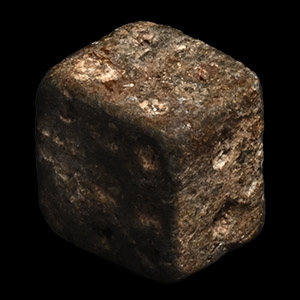
Roman Lead 'Loaded Dice' Gaming Piece
1st-2nd century A.D.Sold for (Inc. bp): £124
Cuboid with impressed point markings disposed 6:6, 2:3, 5:4; old collector's tag '250'. 9.24 grams, 11 mm
From the important private collection of dice and gaming pieces of Colin Narbeth, London, UK, collection no.250.
The die appears to have two broader faces each with two lines of three points flanking a larger central point, perhaps suggesting that the score could be either 1 or 6 according to context.
