
Loading, please wait...
LOT 1832
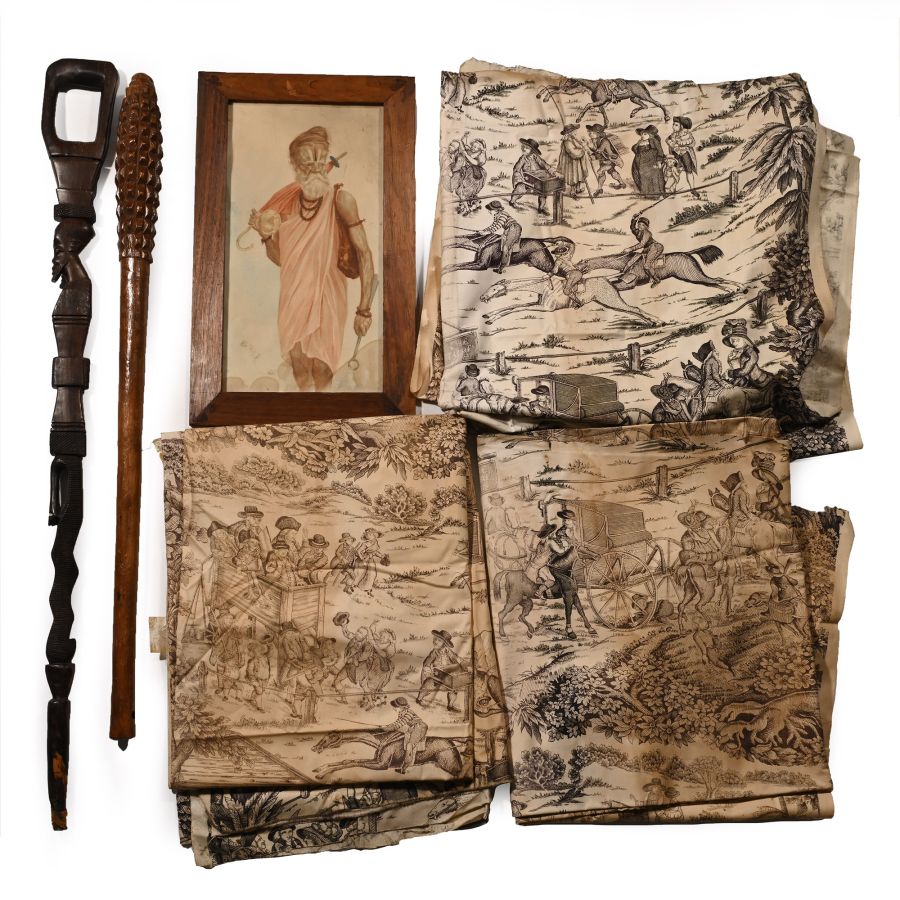
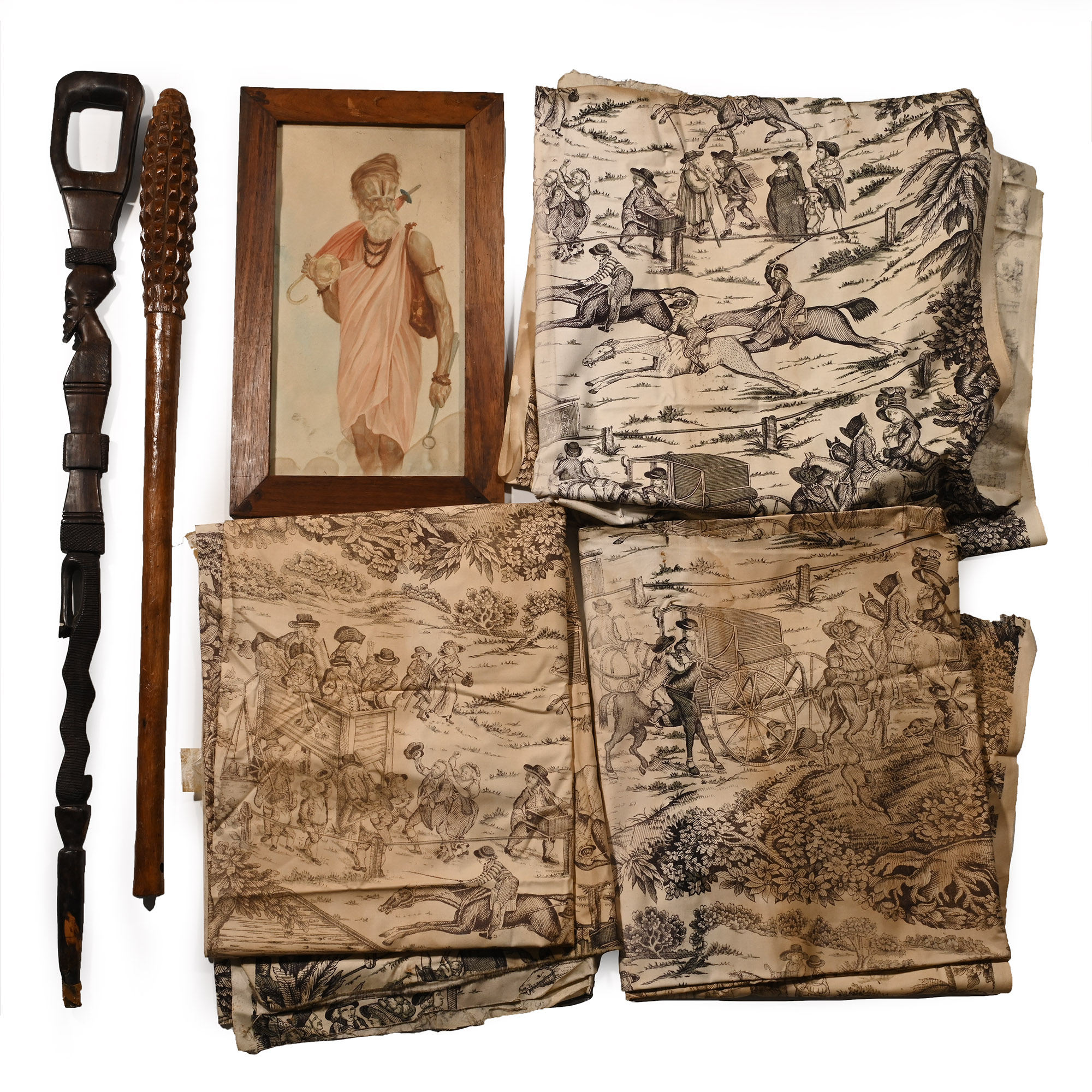
Ethnographic Wooden Walking Stick, Club and Other Items
20TH CENTURY A.D.
35 3/4 in. (3.7 kg total, walking stick: 91 cm).
Comprising: a walking stick with a profile bust; a club with tapering handle and ribbed finial; two pieces of decorative fabric; a glazed painting of an ascetic. [5, No Reserve]
ProvenanceAcquired London, UK.
Property of a Harwich gentleman.
This lot is accompanied by an illustrated lot declaration signed by the Head of the Antiquities Department, Dr Raffaele D'Amato.
TimeLine Auctions follows a vetting process to ensure the authenticity and legality of all items, reinforcing our commitment to integrity and responsible trading. Each antiquity, antique, and coin lot undergoes thorough examination by a vetting committee of at least ten external specialists, professional trade association members, scientists, and archaeologists: Our Vetting Process
AUCTIONS:
TimeLine is a leading auction house specialising in antiquities, ancient art, collectables, natural history, coins, medals, and books. Our auctions offer museums, collectors, historians, and enthusiasts the opportunity to acquire unique and historically significant pieces.
-
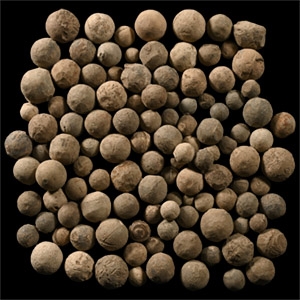
Civil War and Other Lead Musket Ball and Pistol Shot Collection
17th-19th century A.D.Sold for (Inc. bp): £26
Comprising over hundred variously sized shots. 1.85 kg total, 6-19 mm
Found Yorkshire, UK. From the private collection of Robin Sykes, Yorkshire, UK, formed since the late 1990s. This lot is accompanied by an illustrated lot declaration signed by the Head of the Antiquities Department, Dr Raffaele D'Amato. -
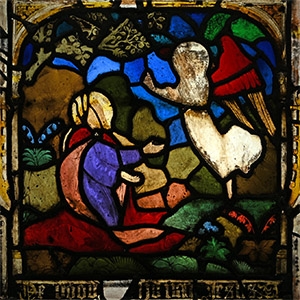
Stained Glass Panel with Jesus in the Garden of Gethsemane
Flemish, 19th century A.D. or earlierSold for (Inc. bp): £1,300
In late 15th century style, showing a nimbate angel in white robe with large red-and-gold wings, appearing to praying nimbate Jesus dressed in a red cloak and purple tunica talaris, Jesus shown with open arms in a sign of resignation to the will of God; a Flemish inscription 'DE DOODSTRIJD VAN JESUS' (The Agony of Jesus) on the bottom of the panel in uncial letters; some restoration. 4.5 kg, 65 x 53.5 cm
Some restoration.
From a war-damaged church in Belgium. Ex property of a late Northumberland collector. From a private collection, Derbyshire, UK. This lot is accompanied by an illustrated lot declaration signed by the Head of the Antiquities Department, Dr Raffaele D'Amato.
The scene represents the last prayer of Jesus before the Passion. According to the Gospel of Luke (22:43-44[1]) Jesus prayed in a farm known as Gethsemane on the Mount of Olives, and received consolation from an angel afterward, before the betrayal of Judas and his arrest. This event can be considered as the first true Passion of Jesus. -
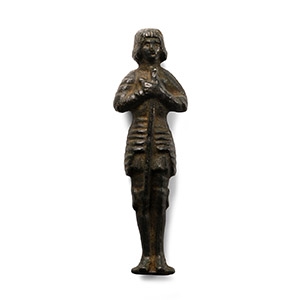
Georgian Pipe Tamper of a Knight
Late 18th-early 19th century A.D.Sold for (Inc. bp): £156
The handle formed as a standing knight in plate armour holding a sword to his chest. 73 grams, 86 mm
Fine condition.
Acquired on the UK art market. Ex property of a Suffolk, UK, lady. This lot is accompanied by an illustrated lot declaration signed by the Head of the Antiquities Department, Dr Raffaele D'Amato.
