
Loading, please wait...
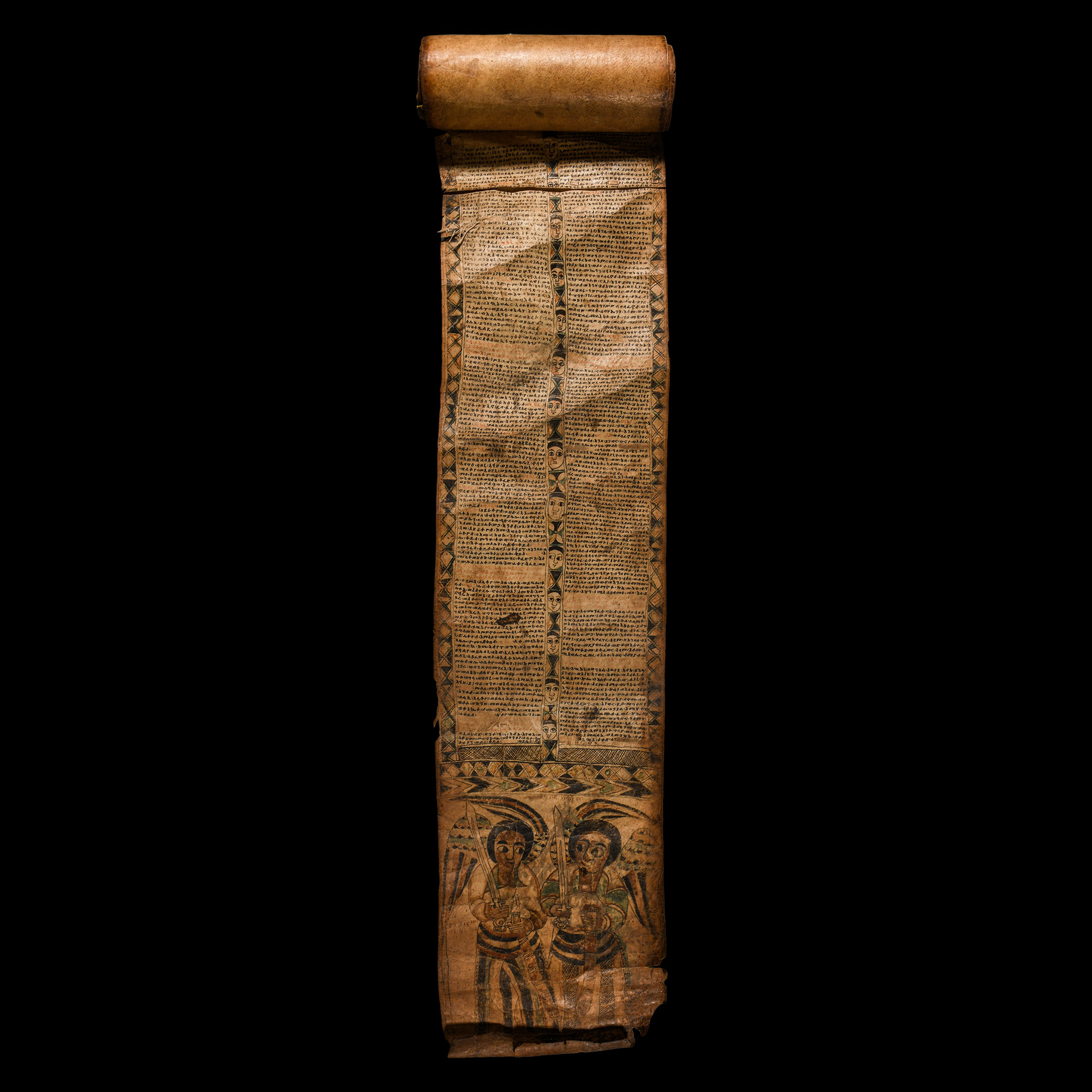
LOT 0395
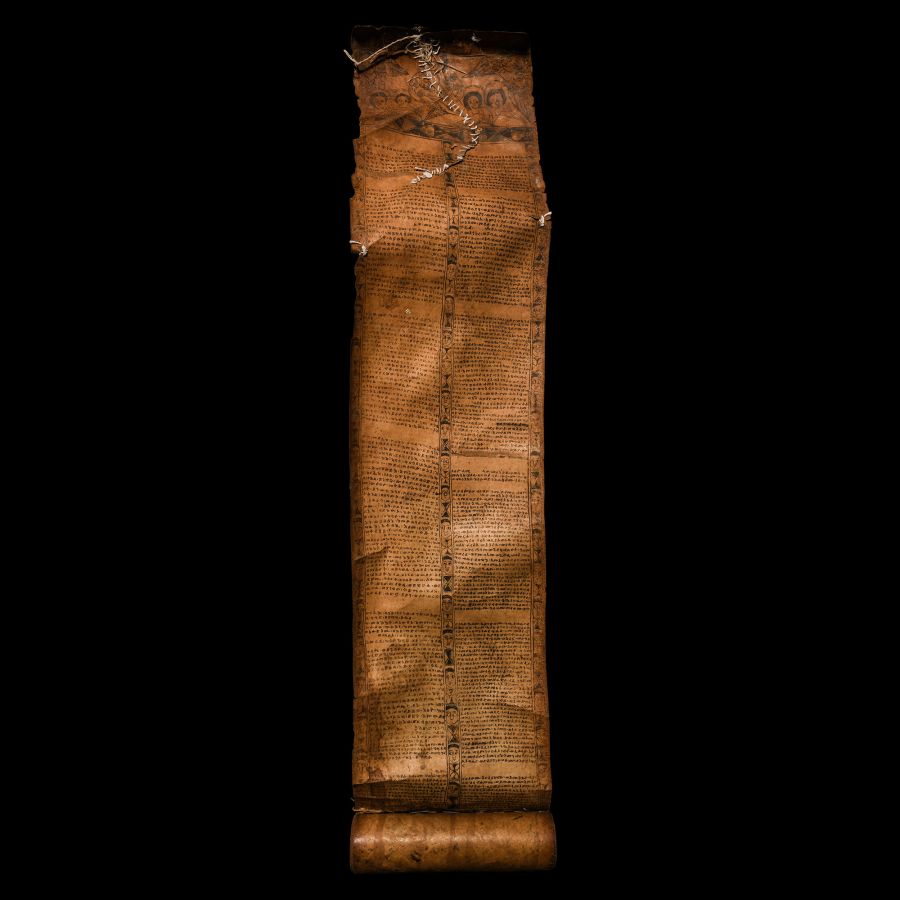
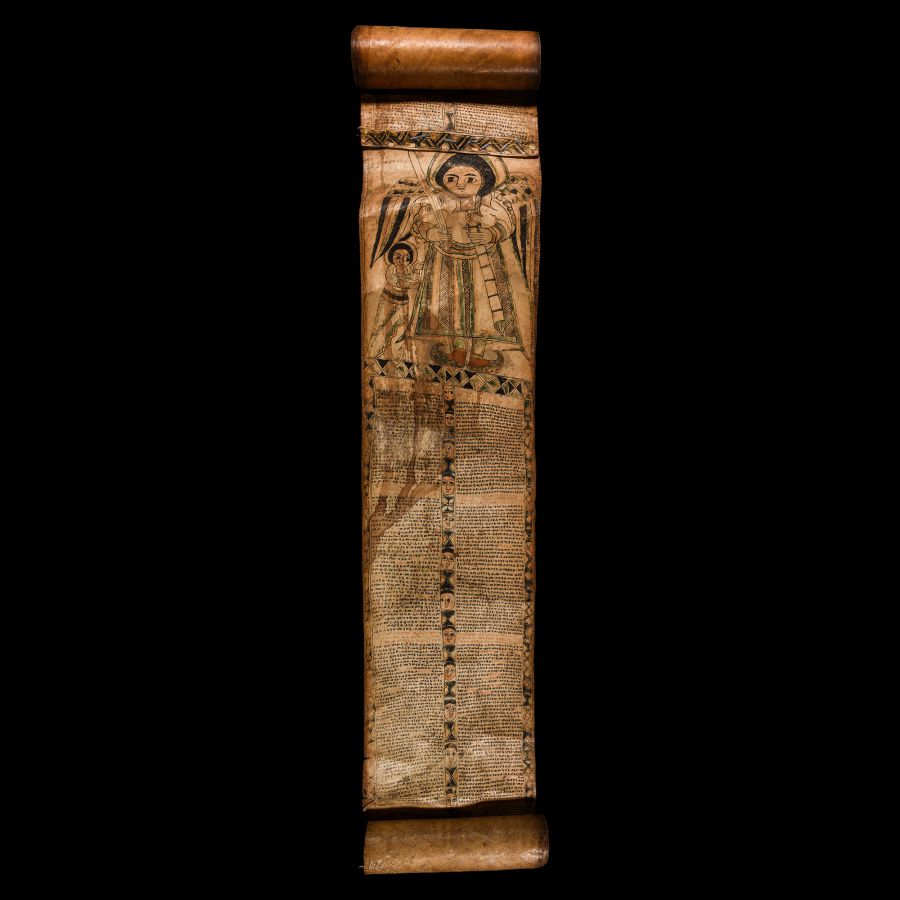
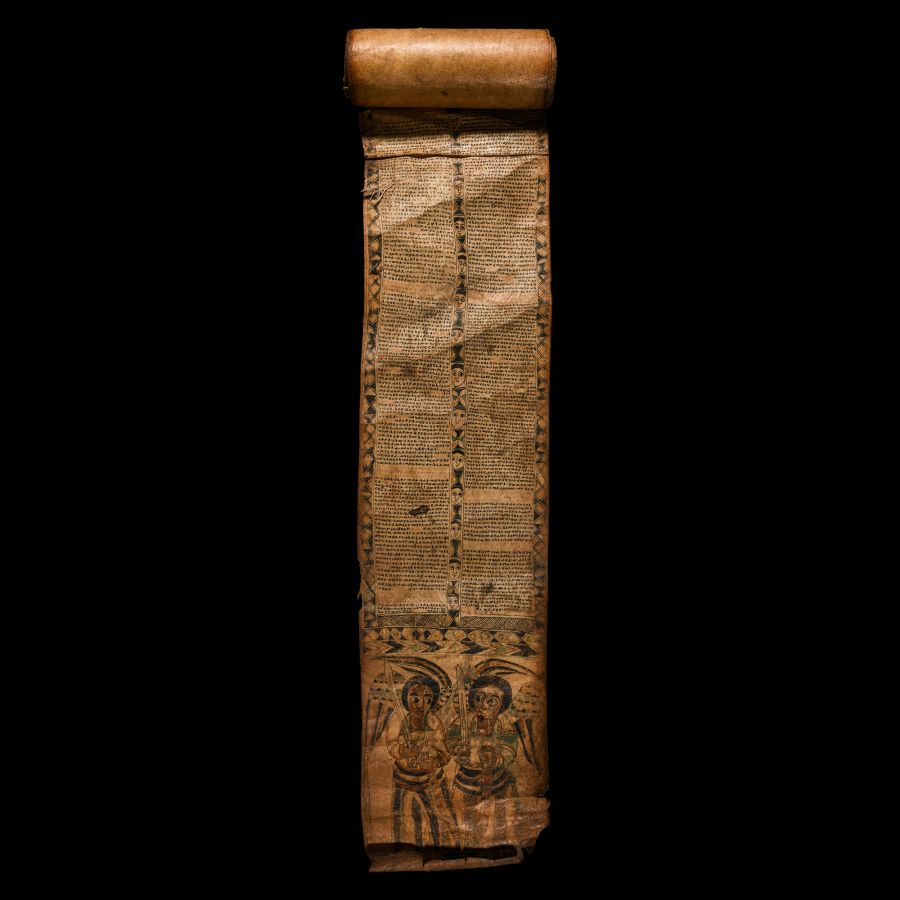
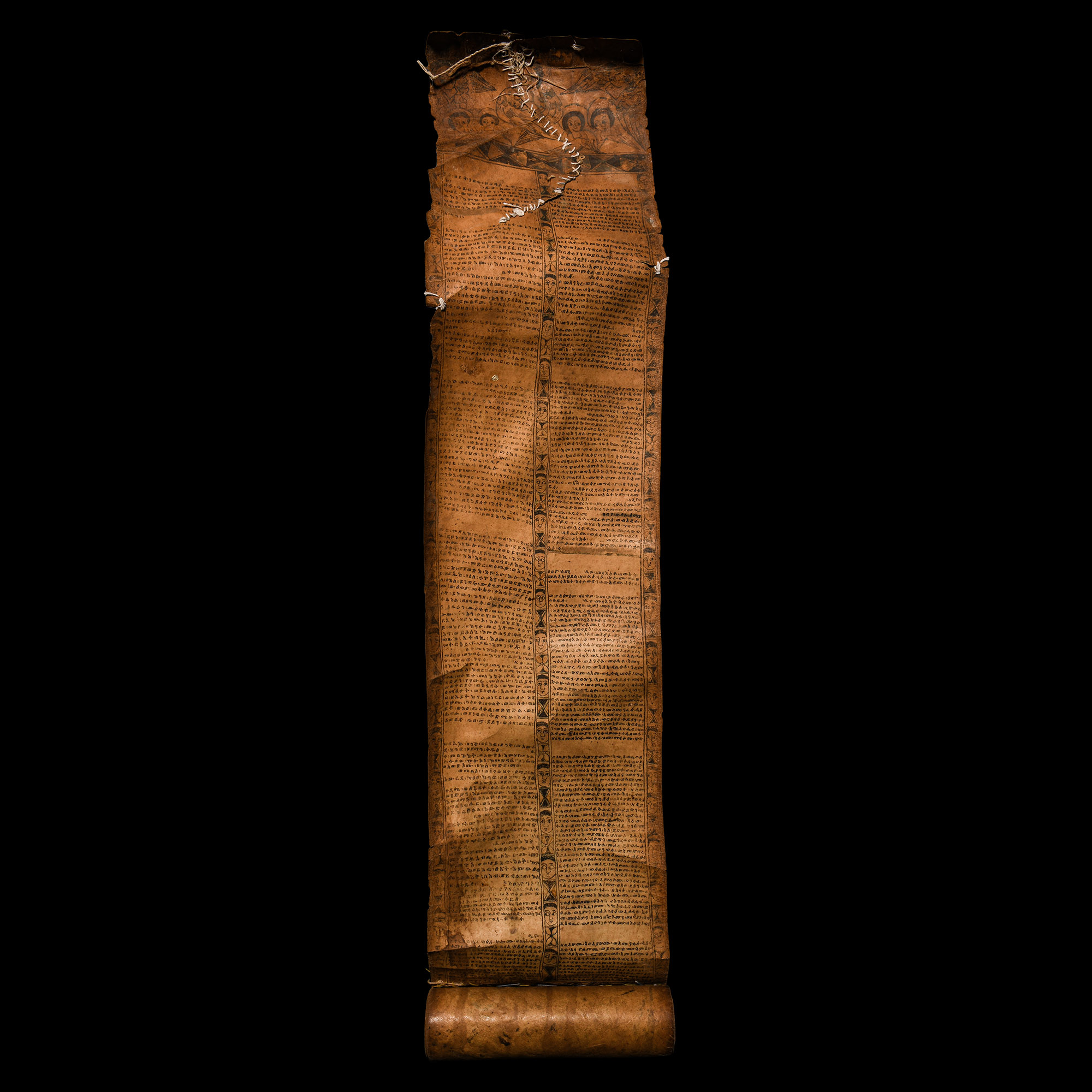
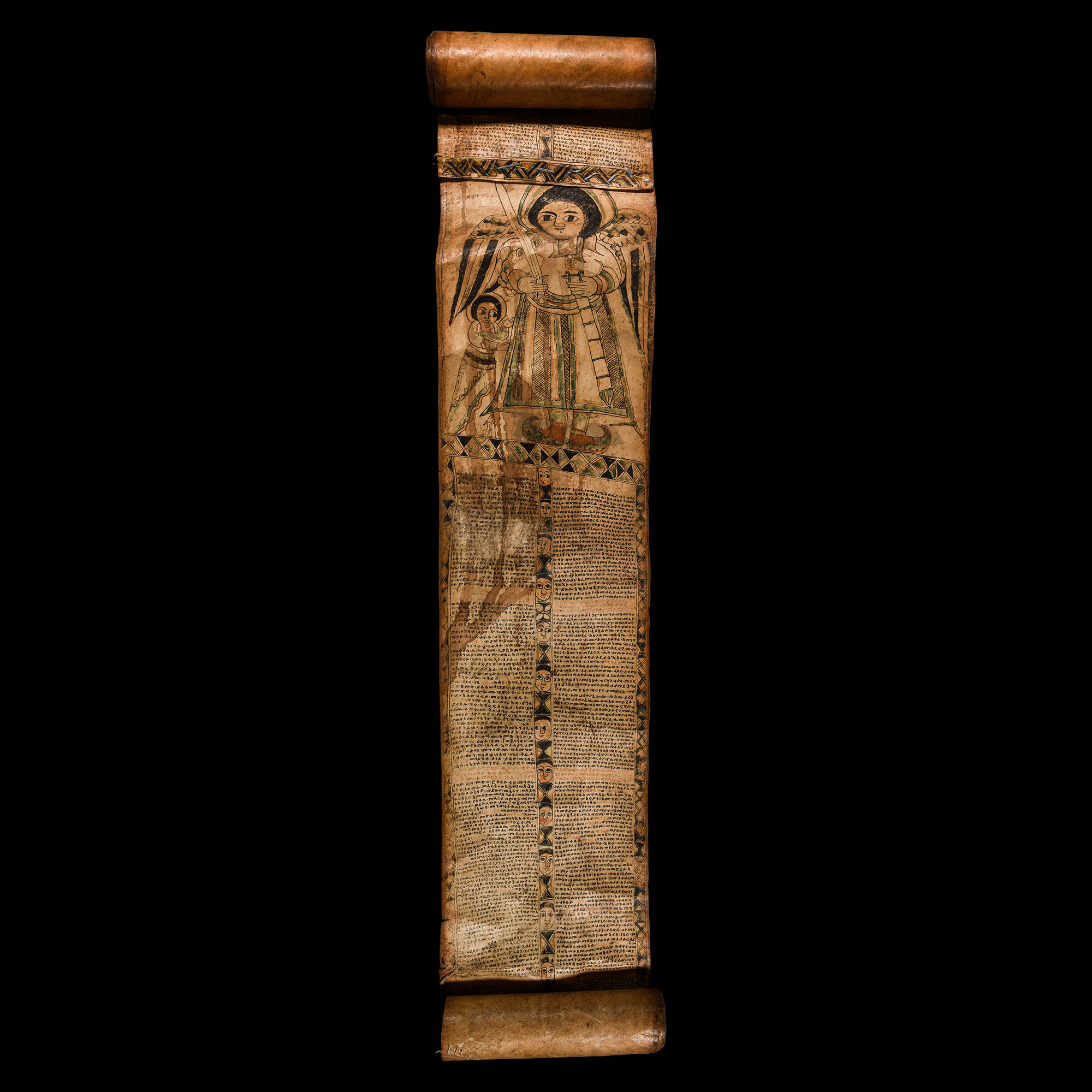
Ethiopian Magic Scroll
EARLY-MID 19TH CENTURY A.D.
86 1/2 in. (114 grams, 2.20 m long).
Produced using parchment; rectangular with inked geometric borders; leading edge with panel of nimbate winged cherubim; two panels of Coptic text divided by a series of saltire motifs, facing masks and quatrefoils, traces of red and green pigment; old seam repair; linen binding tape. [No Reserve]
ProvenanceEx Adalberto Frezza, 2004.
Ex central London gallery.
See Mercier, J., Ethiopian Magic Scrolls, New York: George Braziller, 1979, for discussion.
CONDITIONTimeLine Auctions follows a vetting process to ensure the authenticity and legality of all items, reinforcing our commitment to integrity and responsible trading. Each antiquity, antique, and coin lot undergoes thorough examination by a vetting committee of at least ten external specialists, professional trade association members, scientists, and archaeologists: Our Vetting Process
AUCTIONS:
TimeLine is a leading auction house specialising in antiquities, ancient art, collectables, natural history, coins, medals, and books. Our auctions offer museums, collectors, historians, and enthusiasts the opportunity to acquire unique and historically significant pieces.
-
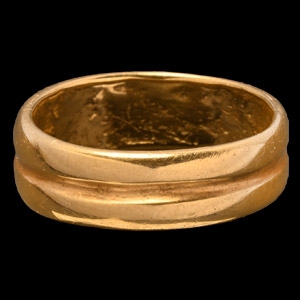
Tudor Gold Double-Banded Love Ring
Circa 16th-17th century A.D.Sold for (Inc. bp): £520
Composed of a broad hoop with gusseted rose-gold equator. 8.29 grams, 22.63 mm overall, 19.57 mm internal diameter (approximate size British T 1/2, USA 9 3/4, Europe 21.89, Japan 21)
Acquired 1990s-early 2000s. East Anglian private collection. -
.jpg)
Bactrian Style Lapis Lazuli Bead Necklace
20th century A.D.Sold for (Inc. bp): £52
Composed of chamfered coin-shaped beads together with annular beads, interspersed with gold-coloured spacer beads. 36.8 grams, 63 cm long
Ex W.J. collection, 1990s. -
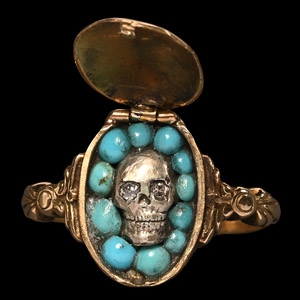
Georgian Gold Locket Ring with Skull
Circa 1800 A.D.Sold for (Inc. bp): £4,160
Comprising a slender hoop with shell-shaped shoulders, hinged oval bezel with secret compartment revealing a silvered skull framed by turquoise cabochons, the eyes set with diamonds or other stones; accompanied by a ring box. 3.95 grams, 20.00 mm overall, 16.20 mm internal diameter (approximate size British J, USA 4 3/4, Europe 8.69, Japan 8)
Acquired from Berganza, Hatton Garden, London, 2016. Property of an East Sussex collector. Accompanied by a copy of the Berganza invoice. This lot has been checked against the Interpol Database of stolen works of art and is accompanied by search certificate no.11666-197585.
Likely a ring of the memento mori genre.
