
Loading, please wait...
LOT 1920
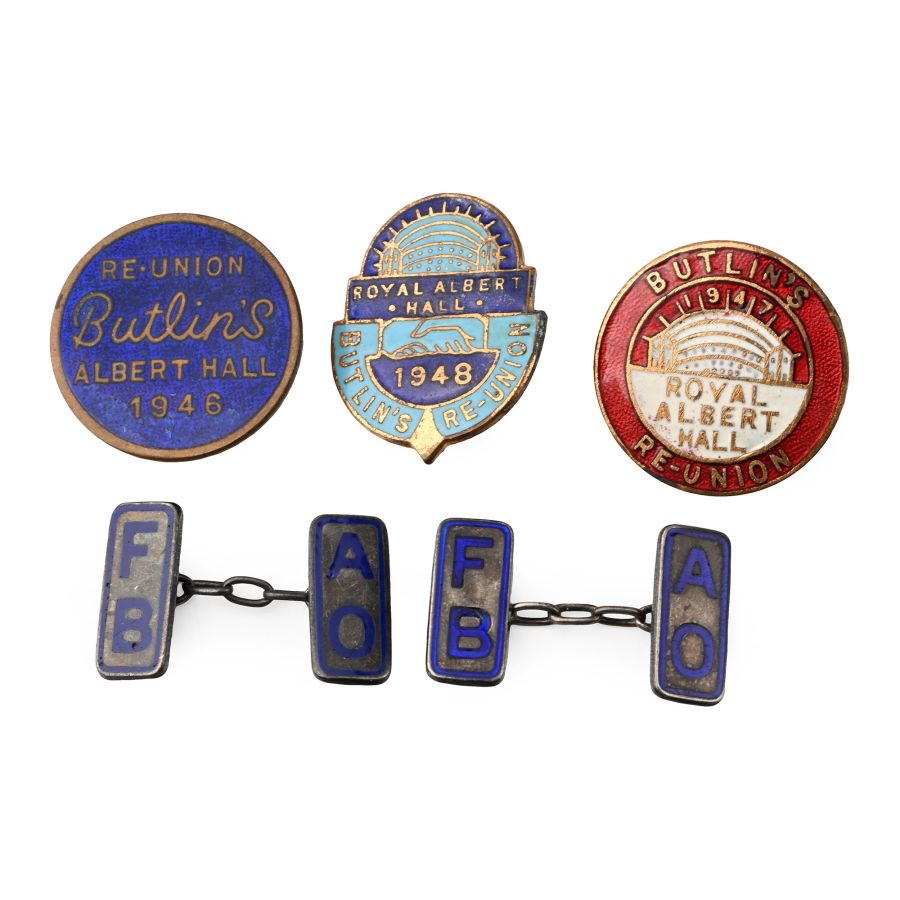
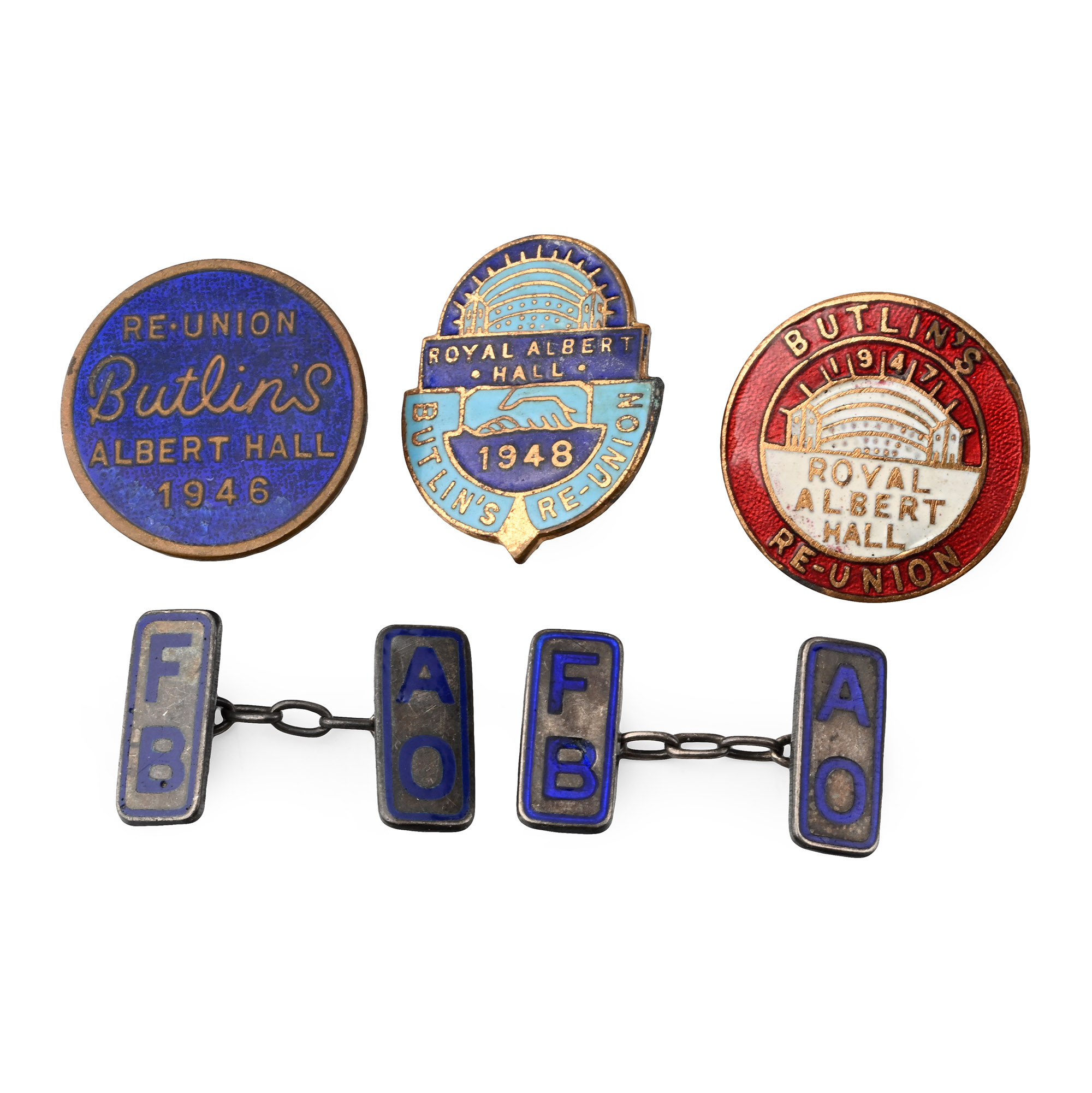
Enamelled Badge and Silver Cufflink Collection
MID 20TH CENTURY AD.
3/4 - 1 in. (24 grams total, 18-25 mm).
Including 'Butlins Reunion' badges for 1946-8, and two pairs of cufflinks. [5, No Reserve]
ProvenanceFrom the private collection of John Meredith, acquired since the 1990s; thence by descent.
CONDITIONTimeLine Auctions follows a vetting process to ensure the authenticity and legality of all items, reinforcing our commitment to integrity and responsible trading. Each antiquity, antique, and coin lot undergoes thorough examination by a vetting committee of at least ten external specialists, professional trade association members, scientists, and archaeologists: Our Vetting Process
AUCTIONS:
TimeLine is a leading auction house specialising in antiquities, ancient art, collectables, natural history, coins, medals, and books. Our auctions offer museums, collectors, historians, and enthusiasts the opportunity to acquire unique and historically significant pieces.
-
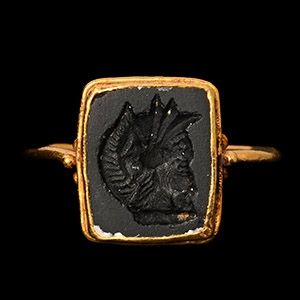
Roman style Gold Ring with Minerva Intaglio
Circa 18th century A.D.Sold for (Inc. bp): £195
With slender hoop and granule cluster at junction with the bezel, rectangular cell with inset glass intaglio profile bust of helmetted Minerva; supplied with a museum-quality impression. 3.45 grams, 23.48 mm overall, 20.69 mm internal diameter (approximate size British T, USA 9 1/2, Europe 21.26, Japan 20)
From a private Tyneside collection, formed since the early 2000s. -
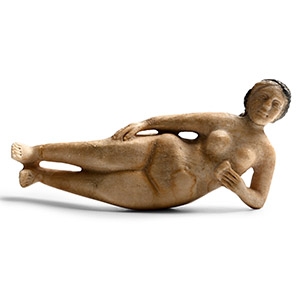
Parthian Style Marble Female Dignitary
20th century A.D or earlierSold for (Inc. bp): £494
Carved in the round nude female supporting her weight on her left arm and thigh, holding a rectangular block to her side beneath her breast. 720 grams, 25 cm
Acquired 1970s-1996. Property of a North American collector. London collection, 2016. -
.jpg)
Enamelled Gold Hawking Whistle
Mughal, 1830-1890 A.D.Estimate: £5,000 - 7,000 (+bp*)
Opening Bid: £2,250
Of tapering cylindrical form, extensively decorated in red, white, green and blue enamel in a foliate and floral design with scalloped borders, plain suspension loop; in 23 carat gold, unmarked, enamel restored; possibly of Indian workmanship. 4.84 grams, 42 mm
By repute found in the UK. Acquired Noonan's, London, UK, 15 September 2020, no.202. Property of a British collector. This lot has been checked against the Interpol Database of stolen works of art and is accompanied by search certificate number no.12997-244313.
The enamelling is similar to Indian enamelled works from the Mughal period, all of which are rare, and these are regarded as gifts for a royal child. This whistle, however, is reported as originally being found in the UK and may be earlier in date.
